
ERCOT's RTC+B Market Reform: A Catalyst for Grid Modernization and Clean Energy Valuation
Grid Modernization: A Structural Overhaul
RTC+B replaces the outdated Operating Reserve Demand Curve (ORDC) with Ancillary Service Demand Curves (ASDCs), which provide a more nuanced valuation of grid stability services. By modeling batteries as a single device with a state of charge, the system can dynamically optimize charging and discharging capabilities, enhancing flexibility and responsiveness to fluctuations in renewable generation. This structural overhaul addresses a critical gap in grid modernization: the inability to efficiently integrate intermittent renewable sources like solar and wind. For instance, in scenarios where solar output drops unexpectedly, RTC+B enables real-time re-dispatch of resources to avoid scarcity pricing events, reducing curtailment and improving asset utilization.
The reform also introduces smarter scarcity pricing mechanisms, which adjust in real time based on grid conditions. This reduces reliance on manual interventions and ensures that the value of ancillary services-such as frequency regulation and voltage support-is accurately reflected in market prices. According to a report by Enverus, these changes could lower total system costs by up to 5.5% in specific scenarios, such as the "Mid-Day Soak and Shift" case, where surplus solar energy is stored instead of curtailed.
Clean Energy Asset Valuation: Opportunities and Uncertainties
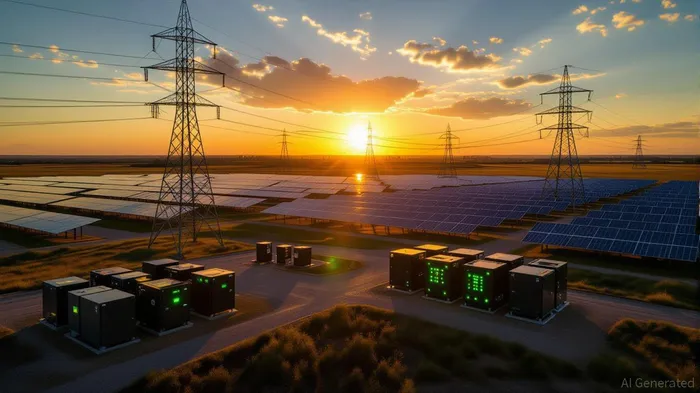
The integration of batteries into the real-time market is expected to enhance the valuation of clean energy assets. For solar and wind projects, improved grid efficiency and reduced curtailment could lower the Levelized Cost of Electricity (LCOE) by increasing asset utilization. While specific LCOE reduction percentages for renewables are not explicitly quantified in the available data, the overall system cost reductions of 17–21% suggest a favorable environment for renewable developers.
Battery storage projects, however, face a dual-edged dynamic. On one hand, the ability to participate in both energy arbitrage and ancillary services markets opens new revenue streams, potentially boosting internal rates of return (IRR). Tolling agreements, which are critical for financing battery projects, may benefit from the increased efficiency of the system, as developers can structure contracts around more predictable cash flows. On the other hand, the saturation of ancillary services and reduced market volatility could erode the premium prices batteries previously commanded during scarcity events.
Strategic Implications for Investors
For investors, the RTC+B reform underscores the importance of adaptability in a rapidly evolving market. The projected $2.5–$6.4 billion in annual savings is a testament to the economic benefits of grid modernization, but it also highlights the need for developers to optimize performance in a more competitive environment. As noted by the Independent Market Monitor for ERCOT, the long-term revenue opportunities for batteries will depend on how effectively operators can leverage their dual capabilities in charging and discharging.
Moreover, the reform's emphasis on real-time co-optimization aligns with broader trends in decarbonization and digitalization. By enabling faster responses to renewable intermittency, RTC+B supports the integration of higher shares of clean energy, which is critical for meeting Texas's climate goals. This alignment could attract capital to projects that demonstrate resilience and scalability in the new market design.
Conclusion
ERCOT's RTC+B Market Reform represents a transformative step toward a more efficient, reliable, and sustainable grid. While the financial metrics for clean energy assets remain partially uncertain, the structural improvements in market design create a foundation for long-term value creation. For investors, the key lies in balancing the opportunities presented by enhanced grid flexibility with the challenges of adapting to a more competitive and dynamic market. As Texas continues to lead in energy innovation, the RTC+B framework offers a blueprint for how grid modernization can drive both economic and environmental progress.







Comentarios
Aún no hay comentarios