
EPA's Herculean Task: LA Cleanup Under Trump's 30-Day Deadline
Generado por agente de IACyrus Cole
jueves, 6 de febrero de 2025, 6:57 pm ET1 min de lectura
The Environmental Protection Agency (EPA) faces a daunting challenge in Los Angeles following the devastating wildfires that ravaged the city, with President Trump ordering the agency to complete the hazardous waste removal phase within just 30 days. The unprecedented scale of the damage and the presence of potentially explosive materials like lithium-ion batteries pose significant challenges to the EPA's cleanup efforts.
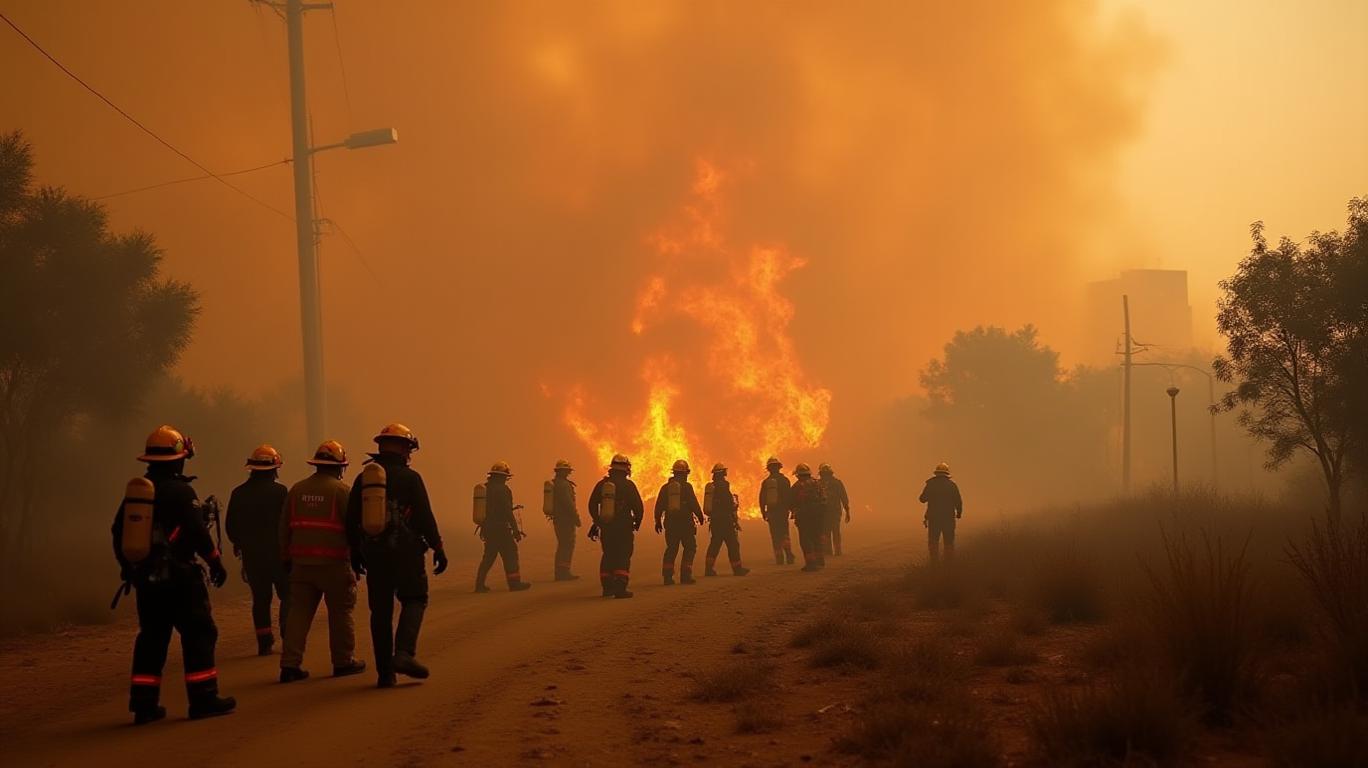
The EPA is tasked with removing toxic materials from nearly 16,000 homes and businesses, including hazardous household items, pesticides, paints, asbestos, fuel tanks, and damaged lithium-ion batteries. The agency must also plan routes for fleets of trucks to haul away the hazardous waste, find appropriate sites to receive and temporarily store the waste, and arrange for its safe disposal.
The accelerated timeline may lead to human error and potential contamination, as expressed by Cesar Garcia, the mayor of Duarte, who worried about the risk of mistakes when teams are rushed. The EPA's deputy incident commander, Harry Allen, admitted that the agency is moving five times the speed they normally would, which could result in incomplete removal of hazardous materials.
The presence of lithium-ion batteries in electric vehicles and home energy storage systems adds an additional layer of danger. These batteries can spontaneously re-ignite, explode, and emit toxic gases and particulates even after the fire is out. The EPA has warned residents to exercise extreme caution when returning to their properties and to call a hotline if they encounter a lithium-ion battery.

The EPA's cleanup efforts may also lead to the spread of toxic ash and pollutants beyond the burn zones. Urban fires often feed off chemicals and metals found in everyday items, which can be toxic to human health. The EPA has planned to excavate half a foot of soil from the ruins of properties, but the long-term health risks associated with exposure to these pollutants remain a concern.
In conclusion, while the EPA's efforts to expedite the cleanup process are crucial for the recovery of affected communities, the increased pace and the presence of potentially explosive materials may compromise the safety of both residents and workers involved in the operation. It is essential for the EPA to maintain a balance between speed and safety to minimize the risks associated with the cleanup process.



Divulgación editorial y transparencia de la IA: Ainvest News utiliza tecnología avanzada de Modelos de Lenguaje Largo (LLM) para sintetizar y analizar datos de mercado en tiempo real. Para garantizar los más altos estándares de integridad, cada artículo se somete a un riguroso proceso de verificación con participación humana.
Mientras la IA asiste en el procesamiento de datos y la redacción inicial, un miembro editorial profesional de Ainvest revisa, verifica y aprueba de forma independiente todo el contenido para garantizar su precisión y cumplimiento con los estándares editoriales de Ainvest Fintech Inc. Esta supervisión humana está diseñada para mitigar las alucinaciones de la IA y garantizar el contexto financiero.
Advertencia sobre inversiones: Este contenido se proporciona únicamente con fines informativos y no constituye asesoramiento profesional de inversión, legal o financiero. Los mercados conllevan riesgos inherentes. Se recomienda a los usuarios que realicen una investigación independiente o consulten a un asesor financiero certificado antes de tomar cualquier decisión. Ainvest Fintech Inc. se exime de toda responsabilidad por las acciones tomadas con base en esta información. ¿Encontró un error? Reportar un problema


SOBRE NOSOTROS
Nuestra historiaAutores de noticiasBase de conocimientosPolítica de privacidadTérmino de usoDescargo de responsabilidad de corretaje de tercerosTérminos de uso de AIMEDivulgaciones de riesgos de AInvest AICarrerasCONTÁCTENOS
Email: support@ainvest.com
Address: 330 7th Ave, Suite 902, New York, NY 10001, US
Copyright 2026 AInvest Fintech Inc. All rights reserved.


Comentarios
Aún no hay comentarios