
Environmental and Operational Risks in U.S. Refining: Lessons from the Pemex Deer Park Incident
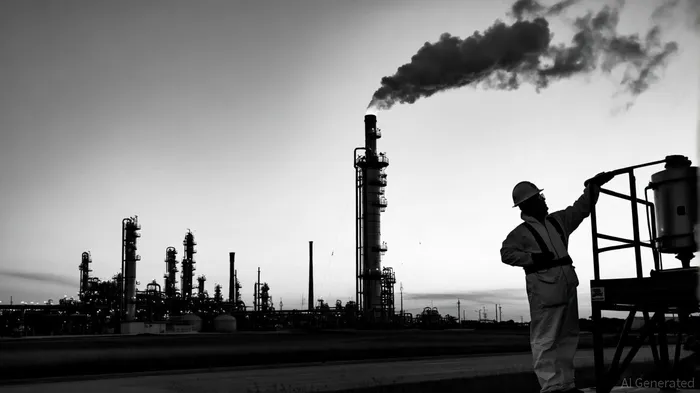
The October 2024 hydrogen sulfide leak at the Pemex Deer Park refinery in Texas—resulting in two fatalities, 35 injuries, and the release of 27,000 pounds of toxic gas—has become a focal point for reevaluating environmental and operational risks in the U.S. refining sector. This incident, coupled with the refinery's financial struggles and regulatory scrutiny, underscores the growing interplay between corporate accountability, community safety, and investment viability in energy infrastructure.
Operational and Environmental Risks: A Case Study in Deer Park
The Deer Park incident originated from a maintenance error during routine work, where a flanged piping segment was inadvertently opened, releasing lethal hydrogen sulfide gas[1]. According to the U.S. Chemical Safety and Hazard Investigation Board (CSB), the gas spread rapidly, killing two contract workers who were attempting to flee the area[2]. The delay in public notification—nearly two hours after the leak—exacerbated community anxiety, with emergency alerts initially downplaying the risk[3]. This misstep highlighted critical flaws in Pemex's emergency response protocols and its collaboration with local authorities.
Environmental concerns are equally pressing. The Deer Park refinery has been cited for nearly 2,000 violations over the past decade and is the worst U.S. source of benzene pollution, emitting 16.7 µg/m³ at its perimeter—well above the EPA's 9 µg/m³ threshold[4]. Such persistent pollution raises long-term health risks for nearby residents, compounding the social license challenges faced by refineries in densely populated regions.
Financial Repercussions and Investment Implications
The financial fallout from the incident has been severe. In 2024, the Deer Park refinery reported its first annual loss under Pemex ownership, amounting to 860 million pesos ($118 million), attributed to operational inefficiencies, unscheduled shutdowns (6.5% in 2024), and rising insurance costs[5]. These losses reflect broader structural issues in Pemex's refining operations, which accounted for 94% of the company's total 2024 losses of 620.6 billion pesos[6]. Analysts note that refining margins in the U.S. have historically been thin, and incidents like Deer Park amplify the risks for investors, particularly in an era of tightening environmental regulations and rising operational costs[7].
Regulatory Exposure and Industry-Wide Shifts
The CSB's ongoing investigation into the Deer Park incident has already identified gaps in contractor management, permit-to-work practices, and emergency preparedness[8]. While the CSB lacks enforcement authority, its recommendations are likely to influence future regulatory frameworks, potentially increasing compliance costs for refineries. Meanwhile, Texas's historically lenient penalties for environmental violations—averaging $25,000–$40,000 per day—have drawn criticism from advocacy groups, who argue that such measures fail to deter negligence[9].
The incident has also reignited debates about Pemex's role in the U.S. refining sector. Acquired in 2022 as part of Mexico's energy sovereignty strategy, the Deer Park refinery now faces questions about its long-term viability. With only 15–20% of its output directed to Mexico, the facility's strategic value is tempered by its operational liabilities[10]. Investors must weigh these risks against the potential for policy reforms, such as improved safety protocols or federal incentives for modernizing aging infrastructure.
Community Impact and the Social License to Operate
The Deer Park incident has strained relations between Pemex and local communities. The shelter-in-place orders issued during the leak, though later deemed unnecessary by air-monitoring reports, exposed residents to heightened anxiety and distrust[11]. Advocacy groups like Environment Texas have called for stricter oversight, emphasizing that refineries must prioritize preventive measures over reactive responses[12]. For investors, the erosion of social license—exemplified by lawsuits from victims' families and public criticism of Pemex's transparency—signals a growing need to align with ESG (Environmental, Social, and Governance) criteria.
Conclusion: Navigating a High-Risk Landscape
The Deer Park refinery incident serves as a cautionary tale for energy sector investors. Operational inefficiencies, environmental liabilities, and regulatory uncertainties create a volatile landscape where traditional risk assessments must evolve to account for community impact and corporate accountability. As the CSB finalizes its recommendations and legal actions unfold, the refining sector may see a shift toward stricter safety standards and higher capital expenditures. For now, investors are advised to scrutinize not only the financial health of refining assets but also their alignment with emerging regulatory and social expectations.







Comentarios
Aún no hay comentarios