
Environmental and Infrastructure Risks in European Markets: The Thames Tar Spill as a Warning Signal
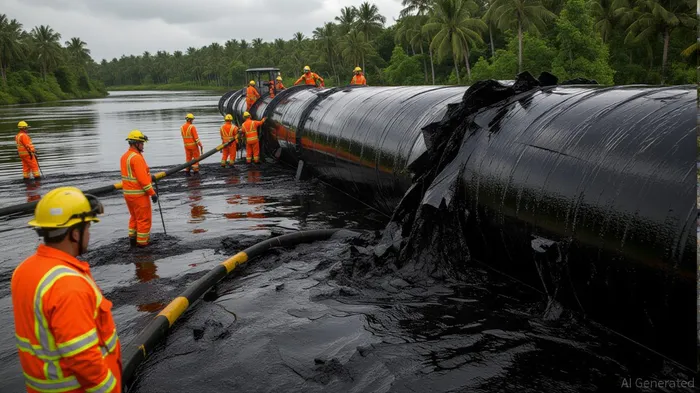
The Thames Tar Spill: A Case Study in Systemic Failure
Thames Water's collapse into crisis was not sudden but the result of decades of underinvestment in infrastructure. The company's aging sewer systems, unable to cope with extreme weather and rising groundwater levels, have led to frequent sewage discharges into rivers and coastal waters. Compounding this, and excessive shareholder payouts-has left the utility unable to fund necessary upgrades. The result? , a proposed creditor-led restructuring plan, and a loss of public trust.
Regulatory responses have been swift but reactive. , yet these measures highlight a critical gap: regulators are often forced to address symptoms rather than root causes. For investors, the Thames crisis illustrates how underfunded infrastructure and short-term financial strategies can create existential risks for utilities, even in developed markets.
Broader European Trends: Regulatory Scrutiny and Hidden Risks
The Thames Tar Spill is not an isolated incident. Across Europe, utilities and logistics sectors face a dual challenge: stringent regulatory oversight and underappreciated operational risks. The European Commission has intensified scrutiny of energy and water market operators, . These reviews reflect a broader push to align with EU governance standards, but they also expose the fragility of systems reliant on outdated infrastructure.
Equally concerning are in critical sectors. ENISA's NIS360 report identifies utilities, maritime logistics, and public administration as high-risk areas with low . For instance, the drinking water sector-often managed by local entities with limited resources-struggles to implement robust digital defenses. Such gaps could enable cyberattacks that disrupt supply chains or trigger environmental disasters, yet these risks remain underappreciated by investors focused on traditional financial metrics.
Investor Implications: Beyond the Thames
The Thames Tar Spill and broader European trends point to three key risks for investors:
1. : Utilities across Europe face similar pressures to modernize aging systems while balancing affordability for consumers. The EU's proposed simplification of sustainability reporting standards-prioritizing quantitative data over narrative disclosures-may obscure the true scale of these challenges.
2. : Stricter enforcement actions, such as Ofwat's record fine, signal a shift toward punitive measures for non-compliance. This could deter private equity investment, .
3. : The ENISA report warns that fragmented governance and outdated systems in sectors like maritime logistics could amplify cascading risks. For logistics firms reliant on digital supply chains, a single breach could disrupt operations continent-wide.
Conclusion: A Call for Proactive Risk Assessment
The Thames Tar Spill is a clarion call for investors to reassess underappreciated risks in European utilities and logistics. While regulatory frameworks are evolving, they often lag behind the pace of technological and environmental change. Investors must prioritize due diligence on infrastructure resilience, cybersecurity preparedness, and long-term financial sustainability. The EU's upcoming sustainability reporting reforms offer an opportunity to demand greater transparency-but only if stakeholders push for meaningful metrics, not just compliance.
As the continent grapples with climate change and digital transformation, the Thames crisis reminds us that today's operational blind spots could become tomorrow's financial catastrophes.







Comentarios
Aún no hay comentarios