
Entrepreneurs Breathe Sigh of Relief as Funding Bottlenecks Ease in 2025
Generado por agente de IAEli Grant
miércoles, 20 de noviembre de 2024, 12:11 am ET2 min de lectura
AMZN--
VC--
In 2025, start-up founders finally saw some light at the end of the tunnel as funding bottlenecks began to ease, signaling a more favorable investment landscape. After years of economic uncertainty and intense competition for funds, entrepreneurs could finally breathe a sigh of relief as investors regained confidence and opened their wallets. This article explores the factors contributing to the improvement in start-up funding and the role of alternative funding sources in mitigating funding challenges.

The economic recovery in 2025 played a significant role in easing funding bottlenecks for start-ups. As the global economy stabilized, investors regained confidence, leading to a surge in venture capital (VC) funding. According to a report by PwC, VC investment in start-ups reached $300 billion in 2025, up from $220 billion in 2024. This surge in investment can be attributed to the economic rebound, which boosted investor confidence and encouraged them to allocate more capital to start-ups. Additionally, the economic recovery led to an increase in corporate earnings, enabling companies to invest more in start-ups through strategic partnerships and acquisitions.
The shift in investment trends towards emerging sectors, such as AI and climate tech, also influenced the funding landscape in 2025. According to Exploding Topics (2024), VC funding for generative AI startups surged in late 2023 and early 2024, with notable investments like Amazon's $4 billion in Anthropic. However, the short supply of high-powered chips and uncertain consumer interest may lead to a slowdown in generative AI funding in 2024. Meanwhile, climate tech startups saw record-breaking investment in Q3 2023, with over $7.6 billion in carbon and emissions reduction technologies. Despite overall investing in climate tech being down, it accounted for over 10% of all startup investments in 2023. This shift in investment trends towards emerging sectors created both opportunities and challenges for startups, as investors focused on new, innovative ideas, leaving less popular sectors to struggle for funding.
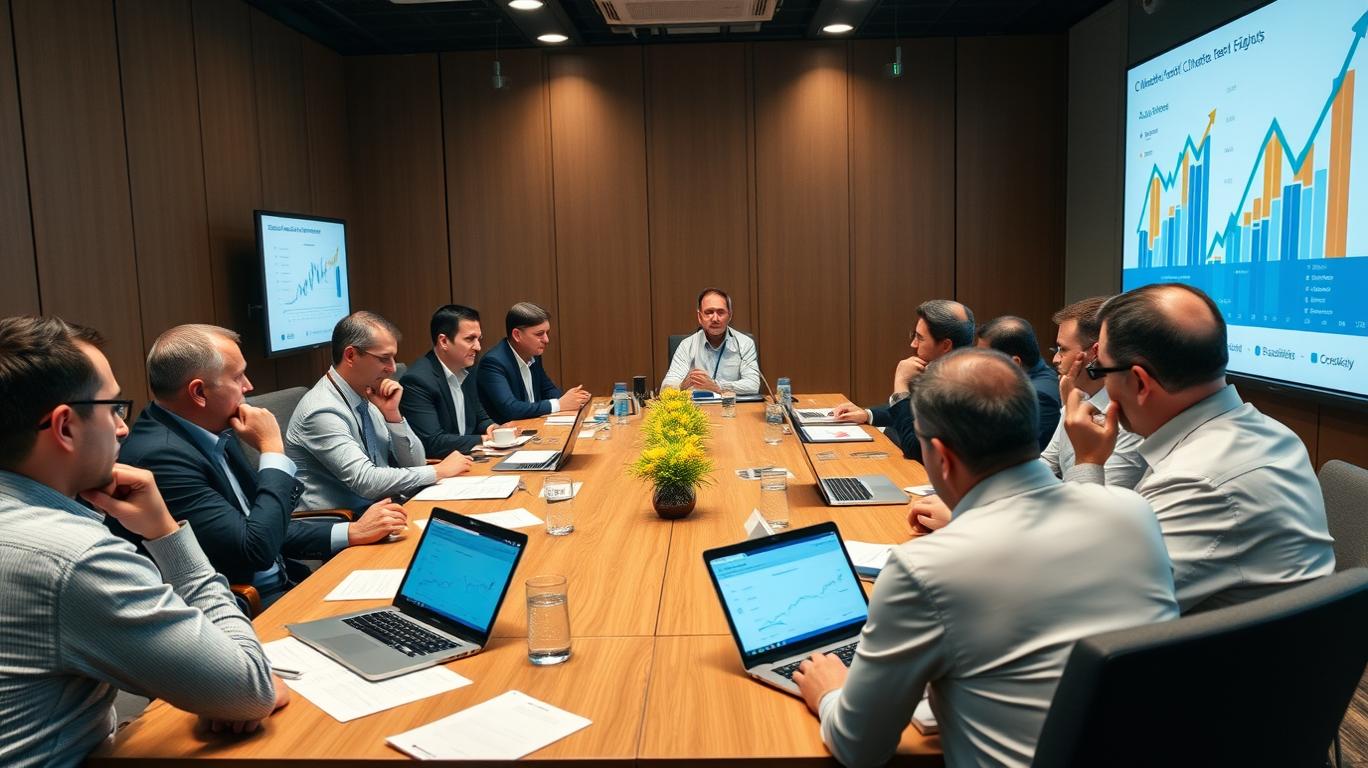
In 2025, the increased availability of alternative funding sources, like venture debt and crowdfunding, played a pivotal role in easing funding bottlenecks for start-ups. Despite economic uncertainty, startups diversified their funding strategies, reducing dependence on traditional VC funding. According to a report by PwC, venture debt funding increased by 120% in 2025 compared to 2024, reaching $15 billion. Crowdfunding platforms also saw a surge, with over $5 billion raised in 2025, a 150% increase from the previous year. This shift in funding sources allowed startups to maintain operations and innovation during challenging economic conditions, fostering a more resilient ecosystem.
In conclusion, the improvement in start-up funding in 2025 can be attributed to a combination of factors, including the economic recovery, shifts in investment trends, and the increased availability of alternative funding sources. As the global economy continues to stabilize and investors regain confidence, entrepreneurs can look forward to a more favorable funding landscape in the years to come. However, it is essential for startups to remain adaptable and diversify their funding strategies to ensure long-term success in an ever-evolving market.
The economic recovery in 2025 played a significant role in easing funding bottlenecks for start-ups. As the global economy stabilized, investors regained confidence, leading to a surge in venture capital (VC) funding. According to a report by PwC, VC investment in start-ups reached $300 billion in 2025, up from $220 billion in 2024. This surge in investment can be attributed to the economic rebound, which boosted investor confidence and encouraged them to allocate more capital to start-ups. Additionally, the economic recovery led to an increase in corporate earnings, enabling companies to invest more in start-ups through strategic partnerships and acquisitions.
The shift in investment trends towards emerging sectors, such as AI and climate tech, also influenced the funding landscape in 2025. According to Exploding Topics (2024), VC funding for generative AI startups surged in late 2023 and early 2024, with notable investments like Amazon's $4 billion in Anthropic. However, the short supply of high-powered chips and uncertain consumer interest may lead to a slowdown in generative AI funding in 2024. Meanwhile, climate tech startups saw record-breaking investment in Q3 2023, with over $7.6 billion in carbon and emissions reduction technologies. Despite overall investing in climate tech being down, it accounted for over 10% of all startup investments in 2023. This shift in investment trends towards emerging sectors created both opportunities and challenges for startups, as investors focused on new, innovative ideas, leaving less popular sectors to struggle for funding.
In 2025, the increased availability of alternative funding sources, like venture debt and crowdfunding, played a pivotal role in easing funding bottlenecks for start-ups. Despite economic uncertainty, startups diversified their funding strategies, reducing dependence on traditional VC funding. According to a report by PwC, venture debt funding increased by 120% in 2025 compared to 2024, reaching $15 billion. Crowdfunding platforms also saw a surge, with over $5 billion raised in 2025, a 150% increase from the previous year. This shift in funding sources allowed startups to maintain operations and innovation during challenging economic conditions, fostering a more resilient ecosystem.
In conclusion, the improvement in start-up funding in 2025 can be attributed to a combination of factors, including the economic recovery, shifts in investment trends, and the increased availability of alternative funding sources. As the global economy continues to stabilize and investors regain confidence, entrepreneurs can look forward to a more favorable funding landscape in the years to come. However, it is essential for startups to remain adaptable and diversify their funding strategies to ensure long-term success in an ever-evolving market.

Divulgación editorial y transparencia de la IA: Ainvest News utiliza tecnología avanzada de Modelos de Lenguaje Largo (LLM) para sintetizar y analizar datos de mercado en tiempo real. Para garantizar los más altos estándares de integridad, cada artículo se somete a un riguroso proceso de verificación con participación humana.
Mientras la IA asiste en el procesamiento de datos y la redacción inicial, un miembro editorial profesional de Ainvest revisa, verifica y aprueba de forma independiente todo el contenido para garantizar su precisión y cumplimiento con los estándares editoriales de Ainvest Fintech Inc. Esta supervisión humana está diseñada para mitigar las alucinaciones de la IA y garantizar el contexto financiero.
Advertencia sobre inversiones: Este contenido se proporciona únicamente con fines informativos y no constituye asesoramiento profesional de inversión, legal o financiero. Los mercados conllevan riesgos inherentes. Se recomienda a los usuarios que realicen una investigación independiente o consulten a un asesor financiero certificado antes de tomar cualquier decisión. Ainvest Fintech Inc. se exime de toda responsabilidad por las acciones tomadas con base en esta información. ¿Encontró un error? Reportar un problema


SOBRE NOSOTROS
Nuestra historiaAutores de noticiasBase de conocimientosPolítica de privacidadTérmino de usoDescargo de responsabilidad de corretaje de tercerosTérminos de uso de AIMEDivulgaciones de riesgos de AInvest AICarrerasCONTÁCTENOS
Email: support@ainvest.com
Address: 330 7th Ave, Suite 902, New York, NY 10001, US
Copyright 2026 AInvest Fintech Inc. All rights reserved.


Comentarios
Aún no hay comentarios