
Energy Transition Deals in OPEC Nations: Investment Opportunities in ESG-Driven Energy Contracts in the Middle East
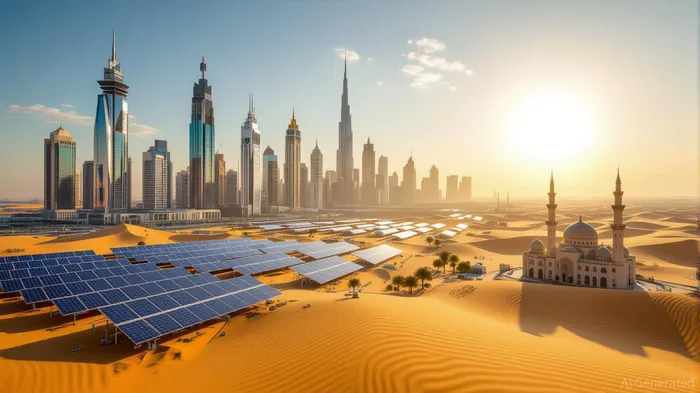
The Middle East, long synonymous with oil and gas, is undergoing a strategic pivot toward ESG-driven energy transition. While OPEC nations remain pivotal to global hydrocarbon markets, their investments in renewable energy and sustainability initiatives are reshaping the region's economic and environmental landscape. For investors, this duality—balancing fossil fuel dominance with renewable ambition—presents a unique set of opportunities.
Saudi Arabia: A $600 Billion Bet on Renewables
Saudi Arabia's Vision 2030 has positioned the kingdom as a global leader in ESG-aligned energy projects. The Public Investment Fund (PIF) has committed $600 billion by 2029, with a significant portion allocated to clean energy[1]. A flagship initiative includes $8.3 billion in solar and wind projects, set to add 15 GW of capacity by 2028[2]. These projects, led by ACWA Power and Aramco's SAPCO, underscore Saudi Arabia's ambition to achieve 50% renewable energy in its electricity mix by 2030[3].
The PIF's innovative financing strategies further amplify its impact. In 2022, it issued the world's first 100-year green bond, raising $3 billion, followed by a $5.5 billion bond in 2023[3]. These instruments reflect strong investor confidence in the kingdom's ESG roadmap, which extends to green buildings and sustainable water management.
UAE: A Renewable Energy Powerhouse
The UAE has emerged as a regional ESG leader, with 27.83% of its electricity generated from renewables in 2023, surpassing its 2030 target of 32%[1]. Regulatory reforms, including mandatory sustainability reporting for publicly listed companies, have bolstered transparency and accountability[4]. The country's focus on hydrogen production and solar energy—exemplified by projects like the Noor Abu Dhabi plant—positions it to meet growing global demand for clean energy exports[5].
OPEC Fund's Global ESG Investments
Beyond national efforts, the OPEC Fund for International Development has become a critical player in financing energy transition projects. In Q3 2025 alone, it approved over $1 billion for initiatives across Africa, Asia, and Latin America[6]. Notable projects include a 1,000 MW solar-plus-storage plant in Egypt's Aswan region and an industrial facility in Oman for renewable energy inputs[6]. These investments align with the World Economic Forum's Energy Transition Index (ETI), which notes that 65% of countries improved their ETI scores in 2025, with emerging economies like Egypt and Oman making strides[7].
Strategic Partnerships and Challenges
OPEC nations are also forging international partnerships to accelerate their energy transition. ADNOC's XRG subsidiary, for instance, partnered with ADQ and CarlyleCG-- to acquire Australia's Santos LNG assets while exploring carbon capture and storage (CCS) projects in the U.S.[8]. Such collaborations highlight a shift from traditional oil exports to diversified, technology-driven portfolios.
However, challenges persist. OPEC ministers, including Saudi Arabia's Prince Abdulaziz bin Salman, have emphasized the continued necessity of hydrocarbons for economic growth and energy security[9]. This stance reflects the region's structural reliance on oil revenues, which account for a significant share of GDP and exports. Yet, the push for ESG compliance and renewable investments suggests a long-term strategy to balance economic resilience with sustainability.
Conclusion: A Dual-Track Investment Opportunity
For investors, the Middle East's energy transition offers a dual-track opportunity. On one hand, traditional hydrocarbon projects remain critical to global energy security, ensuring stable returns. On the other, ESG-driven contracts in renewables, hydrogen, and carbon capture present high-growth potential, supported by sovereign wealth funds and international partnerships. As OPEC nations navigate this transition, their ability to harmonize these tracks will define the region's role in a net-zero future.







Comentarios
Aún no hay comentarios