
Energy Sector Volatility Amid Trade Policy Shifts: Strategic Positions for Defensive Plays and Trade-Driven Rebounds
The energy sector in 2025 is navigating a tempest of trade policy shifts, macroeconomic uncertainty, and diverging commodity trends. From the imposition of aggressive U.S. tariffs on solar panels and LNG imports to the ripple effects of geopolitical tensions, the industry faces a landscape where traditional energy players and renewables alike are grappling with volatility. Yet, within this chaos lie opportunities for investors to identify defensive energy sub-sectors and position for rebounds in a restructured global trade environment.
The Tariff-Driven Disruption and Its Winners and Losers
The Trump administration's trade policies have reshaped the energy sector's cost structure and supply chains. Tariffs on Chinese solar panels (now 195%) and Vietnamese components (46%) have stifled U.S. clean energy deployment, while retaliatory measures from oil exporters like Iraq and Venezuela threaten to exacerbate market fragmentation. The Inflation Reduction Act (IRA), which once spurred $115 billion in clean energy investments, now faces headwinds as 16 major projects have been canceled or scaled back since early 2025.
However, these disruptions are not uniformly destructive. Companies with localized production, diversified supply chains, and exposure to energy infrastructure modernization are emerging as beneficiaries. For instance, firms specializing in energy storage—critical for balancing renewable energy grids—have seen demand surge despite broader sector headwinds.
Defensive Energy Sub-Sectors: Resilience in Uncertainty
- Energy Storage and Grid Modernization
The intermittent nature of renewables has made energy storage a non-negotiable component of grid resilience. Battery storage technologies, such as lithium-ion and emerging solid-state solutions, are being deployed at scale to mitigate supply gaps. Governments are incentivizing this shift: the U.S. now has energy storage procurement targets in 33 states, while the European Union is funding hydrogen storage projects as part of its decarbonization agenda.
Companies like Tesla and Fluence (a joint venture between Siemens and AES) are capitalizing on this demand. Tesla's Megapack installations in Texas and Australia, for example, are helping stabilize grids amid renewable integration.
- Hydrogen and Green Energy Transition
Green hydrogen, produced using renewable energy, is gaining traction as a versatile energy carrier for industrial and transportation sectors. India's National Green Hydrogen Mission and Canada's Alberta Hydrogen Roadmap are prime examples of policy-driven growth in this sub-sector.
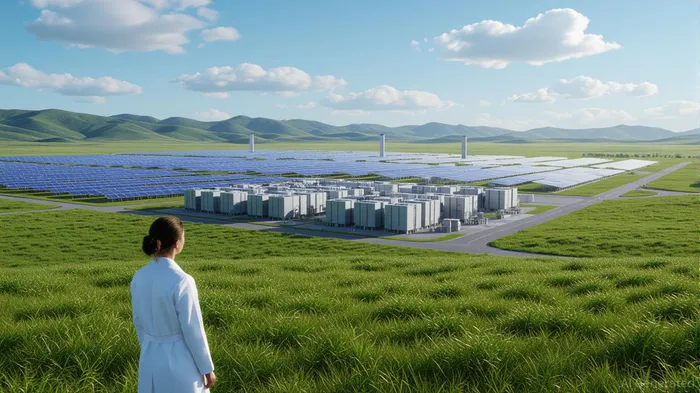
Companies with electrolyzer manufacturing capabilities, such as Plug Power and ITM Power, are positioned to benefit from these initiatives. The global hydrogen market, projected to reach $1.5 trillion by 2050, is increasingly insulated from trade policy shocks due to its localized production potential.
- Decentralized Energy Systems (Microgrids)
Microgrids, which operate independently of centralized grids, are being deployed in regions prone to extreme weather and geopolitical instability. These systems leverage local renewable resources and storage to ensure energy security.
In the U.S., microgrid projects in Texas and California have gained momentum, supported by state-level incentives. Companies like S&C Electric and Schneider Electric are leading the charge in microgrid technology and integration.
Strategic Positioning for Trade-Driven Rebounds
The restructured global trade environment—marked by reduced U.S.-China tariffs and a focus on reshoring—presents opportunities for energy firms to capitalize on near-term rebounds. For example, the partial reversal of tariffs in 2025 has led to a 24% rebound in the S&P 500 from its April low, signaling renewed investor confidence in energy infrastructure.
Natural Gas and LNG Export Capacity
With U.S. net gas exports projected to reach 17.6 billion cubic feet per day by 2026, companies with LNG infrastructure are well-positioned for growth. Projects like Plaquemines Phase 1 and LNG Canada are critical to this expansion.Public-Private Partnerships and Regulatory Sandboxes
Governments are increasingly using regulatory sandboxes to fast-track clean energy innovations. Singapore's Energy Market Authority, for instance, is testing virtual power plants and hydrogen systems, creating a blueprint for other nations. Investors should prioritize companies with partnerships in such initiatives.Capital Discipline and Shareholder Returns
Firms like Equinor and Oil States International are demonstrating disciplined capital allocation by divesting lower-margin assets and reinvesting in high-impact projects. Equinor's $5 billion share buyback program and focus on offshore wind exemplify this approach.
Investment Thesis: Balancing Risk and Reward
While the energy sector remains volatile, a strategic focus on defensive sub-sectors and trade-agnostic technologies can mitigate downside risks. Key considerations include:
- Diversification: Allocate capital across energy storage, hydrogen, and grid modernization to hedge against commodity price swings.
- Geographic Exposure: Prioritize companies with operations in regions less vulnerable to trade wars, such as Southeast Asia and the Middle East.
- Policy Alignment: Favor firms aligned with national decarbonization goals, which are likely to receive regulatory tailwinds.
Conclusion
The energy sector's volatility in 2025 is not a death knell for investment but a catalyst for repositioning. Defensive energy plays—particularly those in storage, hydrogen, and decentralized systems—offer resilience amid trade policy shifts. Meanwhile, the restructured global trade environment, though uncertain, holds promise for near-term rebounds in LNG and renewables. For investors with a long-term horizon, the key lies in identifying companies that can navigate this turbulence while leveraging the infrastructure revolution underway.
By strategically positioning in these sub-sectors, investors can weather the storm and emerge stronger as the energy transition accelerates.





Comentarios
Aún no hay comentarios