
Energy Sector Volatility: Opportunities in the Aftermath of Recent Selloffs
The energy sector's recent selloffs have left investors scrambling to parse the wreckage for hidden opportunities. But here's the thing: volatility isn't the enemy-it's the catalyst. With global energy investment hitting a record $3.3 trillion in 2025, according to IMACorp's Q3 2025 report, and the sector grappling with trade wars, AI-driven demand surges, and the relentless march of the energy transition, the market is setting up for a rare inflection point. Let's break down the forces at play and why now could be the perfect time to rethink your energy portfolio.
The Perfect Storm: What's Driving the Selloff?
The selloffs in late 2025 stem from a toxic mix of geopolitical tensions, trade policy chaos, and shifting capital flows. Trump's trade tariffs-particularly the 25% levy on Venezuela oil imports-have fractured global supply chains and reduced oil demand by 0.5 million barrels per day, according to the World Economic Forum. Meanwhile, OPEC+'s decision to boost output in early 2025 sent Brent crude tumbling below $69, exacerbating the pain for energy firms, as Rystad Energy noted.
But the bigger picture is the energy transition. Clean technologies now command two-thirds of global energy investment, leaving traditional fossil fuels in the dust (IMACorp). Investors are fleeing oil and gas for renewables, even as the AI revolution creates a new energy beast: hyperscale data centers guzzling power like never before (IMACorp). This paradox-declining demand for oil versus surging electricity needs-is what's making the sector so volatile.
Strategic Entry Points: Where to Play the Rebound
The selloffs have created mispriced assets across the energy value chain. Let's start with midstream and LNG infrastructure. As AI-driven data centers require massive power, liquified natural gas (LNG) is becoming the backbone of grid resilience (IMACorp). Companies building out LNG export terminals and transmission lines are poised to benefit from this structural shift.
Next, clean energy technologies are no longer just a moral play-they're a macroeconomic inevitability. Copper, lithium, and nickel prices are surging as electrification accelerates, as Permutable AI found, and the energy transition is creating a "Goldilocks" scenario: not too hot, not too cold, but just right for investors who position early.
Finally, sector rotation is key. While integrated majors like TotalEnergiesTTE-- and ShellSHEL-- delivered strong returns in Q1 2025 (World Economic Forum), the sector's recent underperformance has made these stocks cheaper. For the bold, this is a chance to buy high-quality assets at a discount.
Navigating the Macro Mess
The Trump administration's trade policies have turned energy markets into a geopolitical chessboard. Tariffs and the withdrawal from the Paris Agreement have created a fragmented global energy landscape (World Economic Forum), but they've also forced innovation. U.S. shale producers, for instance, are now prioritizing shareholder returns over expansion (Rystad Energy), which could stabilize prices in the long run.
Meanwhile, China's divergent growth trajectory is creating new dynamics. While the rest of the world slows, Asian demand for commodities remains robust (Permutable AI), offering a tailwind for energy exporters with diversified portfolios.
The Bottom Line: Position for Resilience
Energy sector volatility isn't going away-it's here to stay. But for investors with a long-term horizon, the selloffs present a unique opportunity to capitalize on structural shifts. Focus on sectors with clear tailwinds: LNG infrastructure, critical minerals, and AI-ready energy solutions. And don't be afraid to rotate into undervalued majors; the best time to buy is when the headlines are darkest. 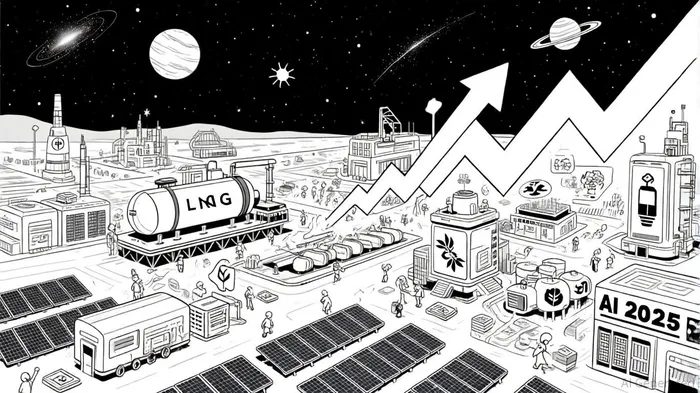





Comentarios
Aún no hay comentarios