
Energy Infrastructure Resilience in Urban Markets: Investment Opportunities in Grid Modernization and Utility Innovation
The 2019 Outage: A Catalyst for Change
The 2019 outage underscored the fragility of centralized power systems. At LAX, passenger screening lanes shut down, flights were canceled, and critical operations faced delays, according to the Arevon Energy Blog. While utility companies like Southern California EdisonEIX-- (SCE) restored power within an hour, the incident highlighted the risks of over-reliance on traditional grid infrastructure. Post-outage analyses revealed systemic vulnerabilities, including insufficient redundancy and outdated communication systems, as noted in the Arevon Energy Blog. These lessons spurred a wave of investments in grid resilience, with Los Angeles becoming a testbed for cutting-edge solutions.
Grid Modernization: From AMI to AI-Driven Management
Los Angeles Department of Water and Power (LADWP) has emerged as a leader in grid modernization. Its Smart Grid LA program, launched in 2013, laid the groundwork for advanced metering infrastructure (AMI). Starting in 2025, LADWP began deploying next-generation AMI meters, which enable real-time outage detection, encrypted data transmission, and seamless integration of renewable energy sources, according to the Arevon Energy Blog. These meters also support water usage tracking, addressing dual challenges of energy and water scarcity.
Meanwhile, AI-driven grid management is gaining traction. Los Angeles Capital Management LLC's 2,495.2% increase in holdings of Marvell Technology, Inc. (MRVL) in Q2 2025 reflects growing confidence in semiconductor solutions for smart infrastructure, as noted in the MarketBeat filing. Marvell's edge computing and data center technologies are critical for optimizing grid performance, particularly in cities like Los Angeles where AI-driven data centers are driving energy demand.
Energy Storage: Powering the Future
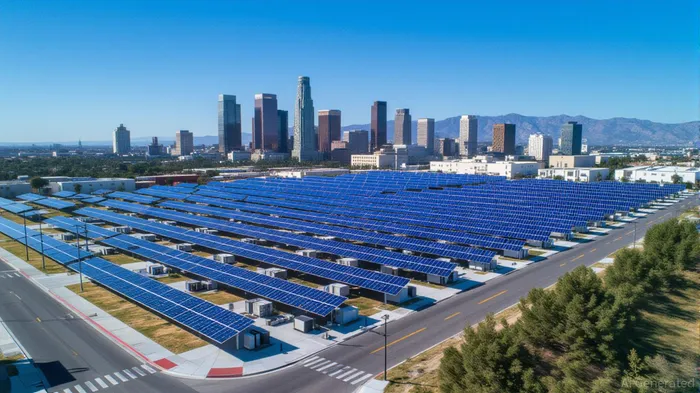
The Eland Solar-plus-Storage Center, developed by Arevon, epitomizes the shift toward decentralized, resilient energy systems. With 758 MW of solar power and 1,200 MWh of battery storage, the $2 billion project now supplies 7% of Los Angeles's energy needs, as reported in the Arevon Energy Blog. Phased completions in 2024 and 2025 have enabled the city to meet peak evening demand and stabilize the grid amid surging loads from data centers. The project's long-term power purchase agreements with LADWP and the Southern California Public Power Authority align with Los Angeles's 100% clean energy target by 2035, as reported in the Arevon Energy Blog.
Utility Innovation: A National Model
American Gridwork Partners is another key player, leveraging acquisitions like PMT Site to build a national infrastructure delivery platform, as noted in the MarketBeat filing. Its focus on electrification and industrial expansion mirrors global trends, such as Spain's recent grid modernization decree, as reported in the MarketBeat filing. For Los Angeles, this means enhanced collaboration with regional contractors to harden infrastructure against wildfires and extreme weather-a critical need in California's fire-prone regions, as reported in the Arevon Energy Blog.
The Investment Landscape
The post-2019 landscape is ripe for investors. Companies like Arevon and American Gridwork Partners are scaling projects that directly address urban energy challenges, as reported in the Arevon Energy Blog. Meanwhile, LADWP's AMI rollout and AI-driven grid management investments signal a long-term commitment to resilience, as noted in the Arevon Energy Blog. For those seeking exposure, the sector offers a mix of utility-scale infrastructure and tech-driven innovation, with clear tailwinds from policy mandates and climate imperatives.
Conclusion
Los Angeles's journey from vulnerability to resilience offers a blueprint for urban markets worldwide. The 2019 outage was a wake-up call, but it also illuminated a path forward-one where smart grids, energy storage, and AI-driven management converge to create robust, sustainable systems. For investors, the message is clear: the future of energy lies in resilience, and Los Angeles is leading the charge.





Comentarios
Aún no hay comentarios