
Energy Infrastructure Resilience in the Face of Climate-Driven Disruptions: Lessons from the Fairport Outage
Climate and Aging Infrastructure: A Perfect Storm
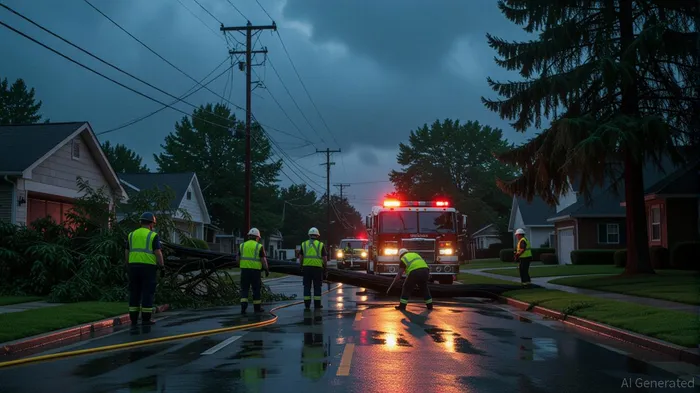 The Fairport outage was not an isolated anomaly but a symptom of a broader systemic challenge. According to a report by RPA, New York's electrical grid is increasingly vulnerable to extreme weather events, which have become more frequent and severe due to climate change. High winds, rising temperatures, and shifting precipitation patterns are accelerating infrastructure degradation, particularly in regions outside New York City where much of the grid infrastructure is over 40 years old as detailed in the report. This aging system, combined with surging demand driven by electrification trends, creates a reliability gap that is widening with each passing year.
Nationally, the problem is compounding. Data from JD Power's 2025 report . , a trend exacerbated by hurricanes and prolonged dry-wind events as noted in energy analysis. The Fairport incident, though in a northern state, aligns with this pattern, highlighting how no region is immune to the cascading impacts of climate-driven disruptions.
Winter Peaking Demand: A New Grid Stressor
The U.S. grid was historically designed to handle summer heatwaves, but winter is now emerging as a critical stress point. The proliferation of heat pumps-driven by decarbonization policies-is shifting energy demand to colder months, straining infrastructure unprepared for sustained winter peaks. In Fairport, the December outage occurred during a period of heightened demand, compounding the challenges of restoration. This shift in demand patterns is not unique to New York; it reflects a nationwide recalibration of grid management priorities.
Investment Implications: Building Resilience
The Fairport outage underscores the urgent need for targeted investments in grid resilience. Key areas for consideration include:
1. Smart Grid Technologies: Advanced monitoring and automation can reduce outage durations by isolating faults and rerouting power more efficiently.
2. Wildfire Prevention and Vegetation Management: Proactive trimming of trees near power lines and the use of fire-resistant materials can mitigate weather-related outages.
3. Energy Storage and Distributed Generation: Decentralized systems, such as microgrids and battery storage, can provide backup power during disruptions and reduce reliance on centralized infrastructure.
4. Infrastructure Modernization: Replacing aging components-transmission lines, transformers, and substations-is critical to preventing cascading failures.
Investors should also consider the regulatory landscape. The U.S. Department of Energy's recent emphasis on grid hardening and the Federal Energy Regulatory Commission's (FERC) push for regional resilience standards signal a policy environment increasingly aligned with long-term infrastructure upgrades.
Conclusion: A Call for Proactive Action
The Fairport outage is a microcosm of the broader risks facing the U.S. grid. As climate change intensifies and energy demand evolves, the cost of inaction-measured in economic losses, public safety risks, and reputational damage-will only rise. For investors, the message is clear: resilience is no longer optional. Prioritizing infrastructure that anticipates and adapts to climate-driven disruptions will be essential to safeguarding both returns and societal stability in the decades ahead.







Comentarios
Aún no hay comentarios