
Energy Infrastructure Resilience in Eastern Europe: Navigating Geopolitical Risks and Winter Vulnerabilities
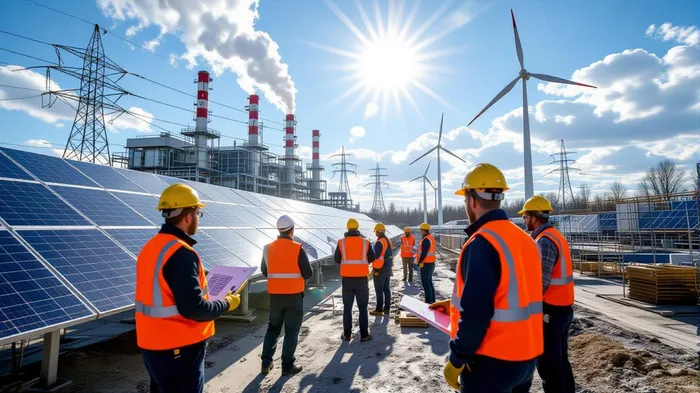
The energy infrastructure of Eastern Europe, particularly in conflict-affected regions like Ukraine and Moldova, stands at a critical juncture. As winter approaches, the region's ability to withstand geopolitical shocks and supply disruptions will test the resilience of its energy systems—and the patience of investors. For those seeking to navigate this volatile landscape, understanding the interplay of risk and opportunity is essential.
The Fragile State of Ukraine's Energy Grid
Ukraine's energy sector has been a primary target of Russian aggression since 2022. By mid-2024, the country had lost approximately two-thirds of its pre-war power generation capacity, with 9 gigawatts (GW) of thermal and hydroelectric infrastructure destroyed in the first half of 2024 alone. The Zaporizhzhia nuclear plant, a quarter of Ukraine's pre-war electricity supply, remains under Russian occupation, compounding operational and safety risks. Meanwhile, district heating systems—critical for winter—have suffered extensive damage, with 18 large combined heat and power (CHP) plants and 800 boiler houses destroyed or degraded.
Despite these challenges, Ukraine has managed to integrate with the European grid, importing up to 1.7 GW of electricity in 2024. However, this lifeline is insufficient to close the 2.3 GW summer deficit, forcing rolling blackouts and highlighting the fragility of the system. Winter readiness is further complicated by low gas storage levels (12.5 bcm as of October 2024, below the government's 13.2 bcm target) and the expiration of Russian gas transit agreements through Ukraine by early 2025.
Moldova's Energy Interdependence and Uncertainty
Moldova's energy security is inextricably linked to Ukraine. The country relies on the MGRES power plant in the Russian-backed Transnistria region, which generates two-thirds of its electricity using Russian gas imported via Ukraine. With Russian gas transit through Ukraine set to end in 2025, Moldova faces a potential energy vacuum. While the country has diversified its imports from Romania and expanded renewable energy (wind and solar now account for 10% of generation), progress is slow. Moldova is preparing contingency plans, including diesel generators and biofuel stockpiles, but its winter readiness remains precarious.
EU Support and the REPowerEU Strategy
The European Union has emerged as a critical partner in bolstering regional energy resilience. The REPowerEU initiative has reduced EU gas consumption by 18% since 2022, diversified supply routes, and accelerated renewable energy deployment. By 2023, renewables accounted for 24.5% of EU energy consumption, with a target of 42.5% by 2030. Gas storage levels are currently at 95%, exceeding the 90% threshold for the 2024–2025 winter. However, energy prices remain elevated, prompting the EU's Affordable Energy Action Plan, which aims to generate savings of €260 billion annually by 2040.
Investment Risks and Opportunities
For investors, the Eastern European energy market presents a paradox: high geopolitical risk coexists with transformative opportunities. Key considerations include:
- Infrastructure Resilience Plays: Companies involved in grid modernization, decentralized energy solutions, and renewable energy deployment are well-positioned. Ukraine's push for solar PV installations (1,500 MW by early 2024) and modular gas turbines offers a case in point.
- Gas Storage and LNG Infrastructure: The EU's expansion of regasification capacity (up 20% by 2024) and floating storage units (FSRUs) in Germany and the Netherlands could benefit firms like Uniper or Engie.
- Geopolitical Exposure: Investments in Ukraine's energy sector carry significant risk, including potential for further Russian attacks and regulatory uncertainty. Diversification across sectors and regions is advisable.
- Winter Supply Contingencies: Firms providing emergency energy solutions—such as portable generators or biofuel producers—could see short-term demand spikes.
Strategic Recommendations for Investors
- Long-Term Positioning: Prioritize renewable energy and grid resilience projects in Ukraine and Moldova, where EU funding and policy support are growing.
- Short-Term Hedging: Consider energy storage and LNG infrastructure plays in the EU, which are less exposed to conflict but aligned with decarbonization trends.
- Risk Mitigation: Diversify portfolios to include firms with cross-border interconnector projects (e.g., Poland-Lithuania, Greece-Bulgaria) to hedge against regional volatility.
Conclusion
Eastern Europe's energy markets are a microcosm of the broader tension between geopolitical instability and the imperative for sustainable infrastructure. While the winter of 2024–2025 will test the region's resilience, it also presents a unique opportunity for investors to support a transition toward decentralized, renewable energy systems. Success will require balancing the risks of conflict with the promise of innovation—and a willingness to act decisively in a rapidly evolving landscape.







Comentarios
Aún no hay comentarios