
Enanta Pharmaceuticals' Zelicapavir: A Game-Changer in RSV Treatment for High-Risk Adults?
The respiratory syncytial virus (RSV) has long been a public health concern, particularly for high-risk populations such as the elderly and those with chronic respiratory conditions. EnantaENTA-- Pharmaceuticals' zelicapavir, an oral N-protein inhibitor in development for RSV, has emerged as a promising candidate to address this unmet need. With topline data from its Phase 2b RSVHR trial in high-risk adults set to be announced on September 29, 2025, investors are scrutinizing the drug's potential to disrupt the RSV treatment market and solidify Enanta's position in antiviral therapeutics.
Zelicapavir's Mechanism and Pediatric Success
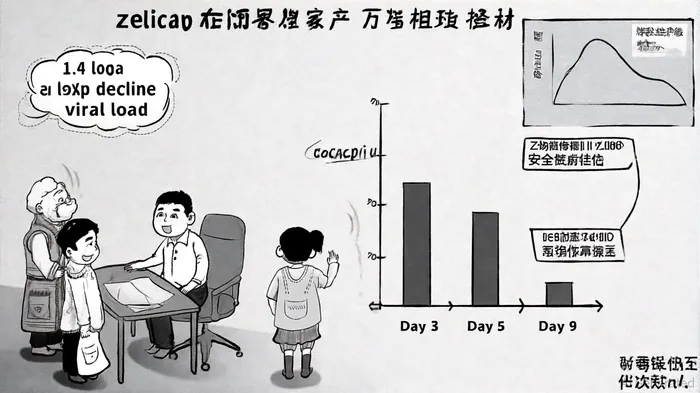
Zelicapavir targets the N-protein of RSV, a critical component of the virus's replication machinery. This mechanism distinguishes it from other antivirals, which often focus on viral entry or fusion. In a Phase 2 trial involving children aged 28 days to 36 months, zelicapavir demonstrated a 1.4 log decline in viral load at Day 5 compared to placebo, with a more pronounced 1.2 log decline in patients treated within three days of symptom onset. These results, coupled with a favorable safety profile—no serious adverse events were reported—positioned zelicapavir as a robust antiviral candidate[2]. According to a report by Contemporary Pediatrics, the drug also showed trends toward improved symptom resolution using proprietary tools like RESOLVE-P, even though standardized symptom scores like ReSViNET did not reach statistical significance[3].
Phase 2b Trial in High-Risk Adults: Design and Key Metrics
The RSVHR trial, Enanta's Phase 2b study in high-risk adults, is a randomized, double-blind, placebo-controlled trial involving approximately 180 non-hospitalized patients. Participants, including those aged ≥65 years and individuals with comorbidities such as COPD or congestive heart failure, received 800 mg of zelicapavir daily for five days. The primary endpoint is the time to resolution of RSV lower respiratory tract disease symptoms, measured using the RiiQ™ symptom scale through Day 33. Secondary endpoints include viral load reduction, pharmacokinetics, and safety[1].
The trial's design reflects a strategic focus on populations with the highest unmet need. RSV-related hospitalizations in high-risk adults have surged in recent years, with estimates suggesting that the virus contributes to over 100,000 hospitalizations annually in the U.S. alone[4]. If zelicapavir replicates its pediatric efficacy in adults, it could significantly reduce disease severity and healthcare costs.
Investment Implications: Market Potential and Competitive Landscape
The RSV antiviral market is poised for growth, driven by aging demographics and the absence of approved therapies for high-risk adults. GSK's Arexvy, a preventive RSV vaccine for older adults, has dominated headlines, but antivirals remain a critical gap. Zelicapavir's Fast Track Designation from the FDA underscores its potential to address this need[5].
From a financial perspective, Enanta's cash runway extends through fiscal 2028, providing flexibility to advance zelicapavir into pivotal trials. Analysts at Pharmaceutical Technology estimate that zelicapavir could generate $45 million in annual revenue by 2035, assuming successful Phase 3 data and regulatory approval[6]. However, the drug faces competition from other RSV antivirals in development, including J&J's molnupiravir and Roche's lefitonib. Success in the RSVHR trial would differentiate zelicapavir through its oral administration and favorable safety profile.
Risks and Challenges
Despite its promise, zelicapavir's path to market is not without risks. The Phase 2b trial's primary endpoint—time to symptom resolution—is subjective and may not align with regulatory expectations for approval. Additionally, the drug's antiviral efficacy in adults may lag behind pediatric results due to differences in disease progression and immune response. Enanta's reliance on partnerships for commercialization also introduces uncertainty, as the company has yet to secure a major collaboration.
Conclusion
Enanta Pharmaceuticals stands at a pivotal juncture. A positive readout from the RSVHR trial could validate zelicapavir's potential to become a first-in-class RSV antiviral, reshaping treatment paradigms for high-risk adults. However, the drug's success hinges on demonstrating robust efficacy and safety in this population. Investors should closely monitor the September 29 data presentation and subsequent regulatory strategy. If zelicapavir meets expectations, Enanta could emerge as a key player in the antiviral space, offering a compelling long-term investment opportunity.





Comentarios
Aún no hay comentarios