
Emotional Trading: The Silent Killer of Your Portfolio
Generado por agente de IATheodore Quinn
sábado, 5 de abril de 2025, 3:09 pm ET2 min de lectura
Emotional trading is a silent killer of investment portfolios. It's the unseen force that drives investors to make impulsive decisions, leading to significant losses and missed opportunities. Veteran traders know that the key to long-term success lies in understanding and managing the emotional biases that can derail even the most well-thought-out investment strategies.
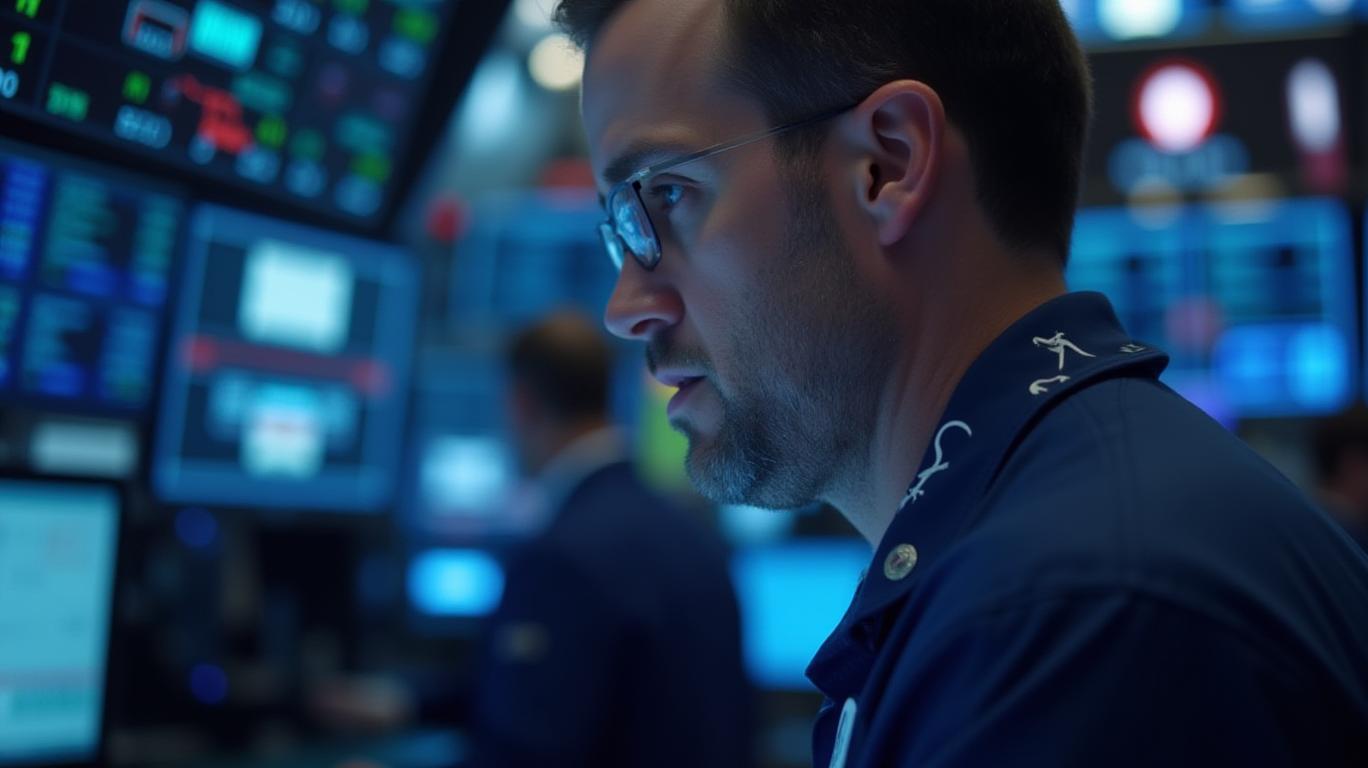
The emotional roller coaster of trading can be overwhelming. Fear and greed are powerful forces that drive market behavior, often leading to irrational decisions. Fear can cause investors to sell off assets prematurely, while greed can lead to overbought conditions as traders continue to buy in hopes of higher profits. This emotional volatility can create market trends, influence price movements, and lead to the formation of bubbles or crashes.
One of the most damaging biases is loss aversion. Investors feel losses more intensely than gains, leading them to sell their assets during market downturns. A 2024 JPMorganJPEM-- survey found that 40% of retail investors tend to sell at market lows, exacerbating their losses and the emotional toll. This emotional response can lead to significant losses and missed opportunities.
Recency bias is another common emotional bias. Investors give more weight to recent events or information, often leading them to make decisions based on short-term trends rather than long-term strategies. This can result in traders following the markets too closely and making knee-jerk decisions that do not align with their long-term goals.
Confirmation bias involves seeking out information that confirms pre-existing beliefs while ignoring contradictory evidence. This bias can lead to holding onto losing positions for too long or entering trades based on incomplete information. Even passive strategies can be influenced by this bias, as investors may rely on recent information or not challenge their prior beliefs.
To mitigate the effects of emotional trading, investors can employ several strategies. Developing a solid trading plan that outlines goals, strategies, risk management rules, and criteria for trade entry and exit can help reduce the influence of emotions on trading decisions. Practicing mindfulness and stress management techniques, such as mindfulness meditation and deep breathing exercises, can help manage stress and emotional responses.
Maintaining detachment involves separating emotions from trading decisions and focusing on facts and data. This can be achieved by asking oneself, "Am I just projecting onto the market what I want to see happen or not see happen, or am I looking at things objectively?" This self-awareness can help traders avoid emotional biases.
Cultivating a positive attitude involves staying optimistic and maintaining a long-term perspective, even during short-term losses. This can be achieved by focusing on the lessons learned from losing trades and having realistic expectations. Staying disciplined involves sticking to a well-researched strategy and not being swayed by short-term market trends or hype. This can be achieved by developing and following a trading plan that outlines risk management, entry and exit criteria, and other important elements.
Building self-awareness involves understanding one's strengths, weaknesses, emotional triggers, and tendencies. This can be developed through practices like meditation, which helps traders observe their thoughts and feelings objectively. Building confidence in one's abilities and strategies is crucial for making the right decisions, even in adverse situations. This can be developed by practicing decisiveness and sticking with decisions, regardless of the outcome.
Adapting to market changes involves recognizing and managing emotions like fear and greed, which can lead to missed opportunities or holding onto losing positions. This can be achieved by questioning one's investment assumptions and strategies regularly.
In summary, emotional trading can destroy your portfolio if you let it. By understanding and recognizing the emotional biases that can derail your investment strategies, you can take steps to mitigate their impact and make more rational, long-term decisions. Developing a solid trading plan, practicing mindfulness, maintaining detachment, cultivating a positive attitude, staying disciplined, building self-awareness, building confidence, and adapting to market changes can help you achieve long-term success in the financial markets.



Divulgación editorial y transparencia de la IA: Ainvest News utiliza tecnología avanzada de Modelos de Lenguaje Largo (LLM) para sintetizar y analizar datos de mercado en tiempo real. Para garantizar los más altos estándares de integridad, cada artículo se somete a un riguroso proceso de verificación con participación humana.
Mientras la IA asiste en el procesamiento de datos y la redacción inicial, un miembro editorial profesional de Ainvest revisa, verifica y aprueba de forma independiente todo el contenido para garantizar su precisión y cumplimiento con los estándares editoriales de Ainvest Fintech Inc. Esta supervisión humana está diseñada para mitigar las alucinaciones de la IA y garantizar el contexto financiero.
Advertencia sobre inversiones: Este contenido se proporciona únicamente con fines informativos y no constituye asesoramiento profesional de inversión, legal o financiero. Los mercados conllevan riesgos inherentes. Se recomienda a los usuarios que realicen una investigación independiente o consulten a un asesor financiero certificado antes de tomar cualquier decisión. Ainvest Fintech Inc. se exime de toda responsabilidad por las acciones tomadas con base en esta información. ¿Encontró un error? Reportar un problema


SOBRE NOSOTROS
Nuestra historiaAutores de noticiasBase de conocimientosPolítica de privacidadTérmino de usoDescargo de responsabilidad de corretaje de tercerosTérminos de uso de AIMEDivulgaciones de riesgos de AInvest AICarrerasCONTÁCTENOS
Email: support@ainvest.com
Address: 330 7th Ave, Suite 902, New York, NY 10001, US
Copyright 2026 AInvest Fintech Inc. All rights reserved.


Comentarios
Aún no hay comentarios