
Emission Control Conspiracy: A Wake-up Call for the Trucking Industry
Generado por agente de IAWesley Park
viernes, 22 de noviembre de 2024, 4:47 pm ET1 min de lectura
The recent guilty plea of Jonathan Achtemeier for disabling truck emission controls has sent shockwaves through the trucking industry, highlighting the need for stricter adherence to environmental regulations. As one of the largest contributors to air pollution, the trucking industry faces intense scrutiny, and this case serves as a stark reminder of the consequences of non-compliance.
Achtemeier's conspiracy to remove emission control software from hundreds of trucks across the nation has led to significant environmental damage, with polluting levels estimated to be 30 to 1,200 times higher than compliant vehicles. The Environmental Protection Agency (EPA) estimates that this tampering not only contributes to air pollution but also increases fuel costs and potential fines for non-compliance with the Clean Air Act.
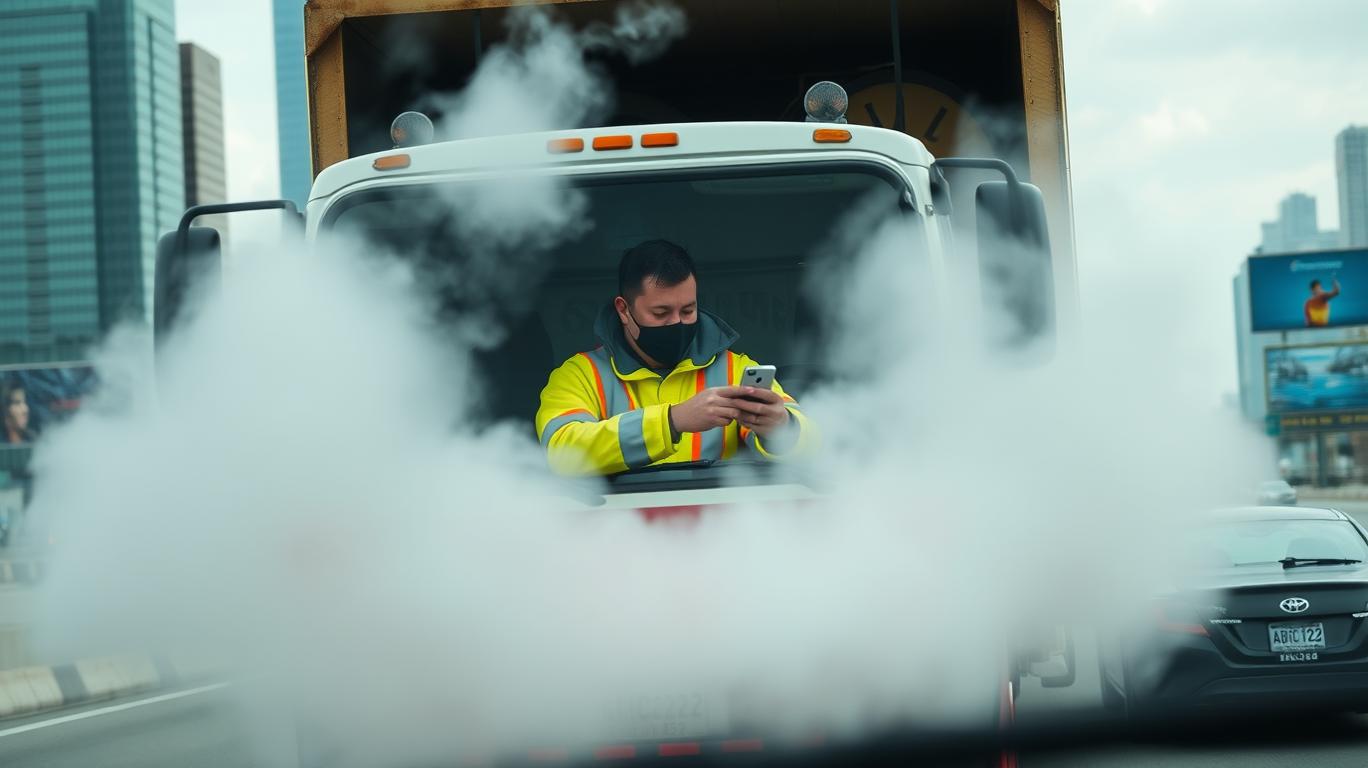
The guilty plea has sparked concerns about public perception and demand for trucking services. As consumers and corporations become more environmentally conscious, the industry may face potential backlash, driving customers to greener alternatives. To mitigate these risks, companies should prioritize compliance with emission regulations, enhancing their public image and financial stability.
The incident also underscores the importance of investing in clean trucking technologies to avoid regulatory risks. As the EPA tightens emission standards, fleet operators may face increased fines and penalties, making it crucial to adopt compliant technologies such as electric, hydrogen, or hybrid trucks. By embracing these innovations, companies can mitigate risks, improve fuel efficiency, and enhance brand reputation.
In the wake of the guilty plea, the trucking industry must take proactive steps to rebuild trust and demonstrate its commitment to environmental regulations. This includes enhanced monitoring and stricter enforcement of emission controls, as well as embracing clean technologies. By doing so, the industry can ensure sustainability, profitability, and the preservation of its reputation.
In conclusion, the guilty plea of Jonathan Achtemeier serves as a wake-up call for the trucking industry. As environmental concerns continue to grow, the industry must prioritize compliance with emission regulations and invest in clean technologies to maintain public trust and long-term viability. By taking these measures, the trucking industry can mitigate potential risks and ensure a sustainable future.
Achtemeier's conspiracy to remove emission control software from hundreds of trucks across the nation has led to significant environmental damage, with polluting levels estimated to be 30 to 1,200 times higher than compliant vehicles. The Environmental Protection Agency (EPA) estimates that this tampering not only contributes to air pollution but also increases fuel costs and potential fines for non-compliance with the Clean Air Act.
The guilty plea has sparked concerns about public perception and demand for trucking services. As consumers and corporations become more environmentally conscious, the industry may face potential backlash, driving customers to greener alternatives. To mitigate these risks, companies should prioritize compliance with emission regulations, enhancing their public image and financial stability.
The incident also underscores the importance of investing in clean trucking technologies to avoid regulatory risks. As the EPA tightens emission standards, fleet operators may face increased fines and penalties, making it crucial to adopt compliant technologies such as electric, hydrogen, or hybrid trucks. By embracing these innovations, companies can mitigate risks, improve fuel efficiency, and enhance brand reputation.
In the wake of the guilty plea, the trucking industry must take proactive steps to rebuild trust and demonstrate its commitment to environmental regulations. This includes enhanced monitoring and stricter enforcement of emission controls, as well as embracing clean technologies. By doing so, the industry can ensure sustainability, profitability, and the preservation of its reputation.
In conclusion, the guilty plea of Jonathan Achtemeier serves as a wake-up call for the trucking industry. As environmental concerns continue to grow, the industry must prioritize compliance with emission regulations and invest in clean technologies to maintain public trust and long-term viability. By taking these measures, the trucking industry can mitigate potential risks and ensure a sustainable future.



Divulgación editorial y transparencia de la IA: Ainvest News utiliza tecnología avanzada de Modelos de Lenguaje Largo (LLM) para sintetizar y analizar datos de mercado en tiempo real. Para garantizar los más altos estándares de integridad, cada artículo se somete a un riguroso proceso de verificación con participación humana.
Mientras la IA asiste en el procesamiento de datos y la redacción inicial, un miembro editorial profesional de Ainvest revisa, verifica y aprueba de forma independiente todo el contenido para garantizar su precisión y cumplimiento con los estándares editoriales de Ainvest Fintech Inc. Esta supervisión humana está diseñada para mitigar las alucinaciones de la IA y garantizar el contexto financiero.
Advertencia sobre inversiones: Este contenido se proporciona únicamente con fines informativos y no constituye asesoramiento profesional de inversión, legal o financiero. Los mercados conllevan riesgos inherentes. Se recomienda a los usuarios que realicen una investigación independiente o consulten a un asesor financiero certificado antes de tomar cualquier decisión. Ainvest Fintech Inc. se exime de toda responsabilidad por las acciones tomadas con base en esta información. ¿Encontró un error? Reportar un problema


SOBRE NOSOTROS
Nuestra historiaAutores de noticiasBase de conocimientosPolítica de privacidadTérmino de usoDescargo de responsabilidad de corretaje de tercerosTérminos de uso de AIMEDivulgaciones de riesgos de AInvest AICarrerasCONTÁCTENOS
Email: support@ainvest.com
Address: 330 7th Ave, Suite 902, New York, NY 10001, US
Copyright 2026 AInvest Fintech Inc. All rights reserved.


Comentarios
Aún no hay comentarios