
Emerging Trends in the Luxury Fragrance Market for Winter 2025: Strategic Product Development and Portfolio Diversification
The luxury fragrance market is undergoing a transformative phase in 2025, driven by shifting consumer preferences, technological innovation, and a heightened focus on sustainability. With the global market projected to grow at a CAGR of 8.86% from 2025 to 2030, reaching USD 79.5 billion by 2030, brands must adopt agile strategies to capitalize on emerging opportunities. This analysis explores key trends shaping winter 2025 and outlines actionable insights for fragrance brands seeking to diversify their portfolios and innovate in product development.
1. Limited-Edition Collaborations and Celebrity Partnerships
A defining trend in 2025 is the surge in limited-edition launches through collaborations between luxury fragrance houses and high-profile figures. These partnerships not only generate buzz but also allow brands to tap into new demographics. For instance, Revlon's May 2025 global licensing agreement with rapper Ice Spice underscores the power of celebrity endorsements in attracting Gen Z and millennial consumers. Such collaborations enable brands to test innovative formulations while reinforcing their premium positioning. By aligning with cultural icons, fragrance houses can create exclusive, story-driven products that drive urgency and exclusivity-a critical factor in a market where 33.5% of consumers prioritize Parfum Pure for their longevity and intensity.
2. Niche and Artisanal Fragrances: The Rise of Storytelling
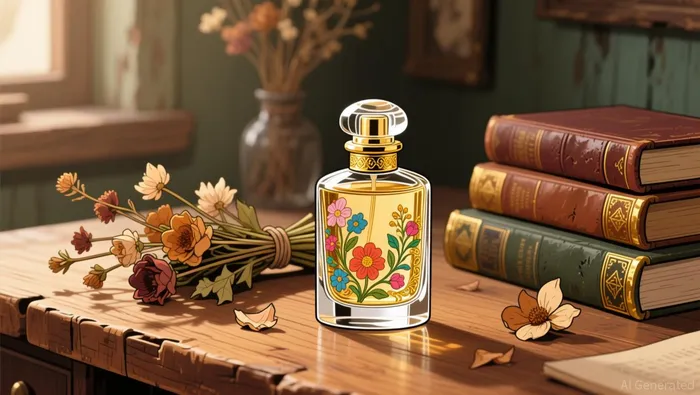 Niche and artisanal fragrances are gaining traction, particularly in Europe and North America, as consumers seek scents that reflect individuality and heritage. These brands thrive on ornate packaging, artisanal craftsmanship, and narratives tied to natural ingredients or cultural traditions. For example, winter 2025 trends highlight demand for "enchanting" aromas like oakmoss and mountain rain, which evolve a sense of natural tranquility. This shift reflects a broader consumer desire for authenticity over mass-produced offerings. Brands that invest in niche segments can differentiate themselves while catering to a growing segment willing to pay a premium for uniqueness.
3. Sustainability and Natural Ingredients: A Regulatory and Consumer-Driven Shift
Sustainability is no longer a niche concern but a core component of competitive strategy. The EU's Cosmetics Regulation and rising consumer demand for transparency are pushing brands to adopt eco-friendly packaging and ethically sourced ingredients. Winter 2025 trends further emphasize this, with "clean beauty" and "all-natural" fragrances gaining momentum. For instance, scents derived from white lily, aloe, or orange spice tea are marketed as wellness-driven, aligning with mindfulness and self-care trends. Brands that integrate sustainability into their product development-such as using biodegradable materials or carbon-neutral production-can strengthen brand loyalty and comply with evolving regulations.
4. AI-Driven Personalization and Virtual Try-On Technologies
Personalization is emerging as a key battleground in the luxury fragrance market. AI-powered tools now allow consumers to create bespoke scents based on preferences, while virtual try-on technologies enhance the online shopping experience. This is particularly critical for e-commerce, which is expanding as a distribution channel. By leveraging data analytics, brands can tailor marketing campaigns and product offerings to individual tastes, reducing return rates and increasing customer retention. For example, AI-driven platforms can recommend high-concentration Parfum Pure blends to consumers seeking long-lasting scents, thereby optimizing portfolio performance.
5. Affordability and the "Luxe for Less" Movement
While luxury remains a cornerstone, the rise of "Luxe for Less" products is reshaping market dynamics. Affordable "dupe" alternatives are attracting budget-conscious consumers without compromising on sophistication. This trend is particularly relevant for winter 2025, where playful, joyous scents like grape soda and Jolly Rancher watermelon appeal to younger audiences seeking fun, accessible fragrances. Brands that diversify their portfolios to include both premium and mid-tier offerings can capture a broader market share while maintaining brand equity.
Strategic Recommendations for Brands
To thrive in 2025, fragrance brands must adopt a multi-pronged approach:
- Expand High-Concentration and Niche Offerings: Prioritize Parfum Pure and artisanal blends to meet demand for intensity and uniqueness.
- Invest in Sustainability: Align with regulatory frameworks and consumer values by sourcing ethically and reducing environmental impact.
- Leverage AI and E-Commerce: Enhance personalization and digital engagement to cater to tech-savvy, globally dispersed audiences.
- Embrace Collaborations and Limited Editions: Use celebrity partnerships to drive innovation and attract new demographics.
Conclusion
The winter 2025 luxury fragrance market is defined by a delicate balance of tradition and innovation. As consumers demand authenticity, sustainability, and personalization, brands that adapt their product development and portfolio strategies will outperform competitors. By embracing niche storytelling, AI-driven customization, and strategic collaborations, fragrance houses can not only meet evolving consumer expectations but also secure long-term growth in a rapidly diversifying market.







Comentarios
Aún no hay comentarios