
Emerging Opportunities in Small but Resilient European and Gulf Markets
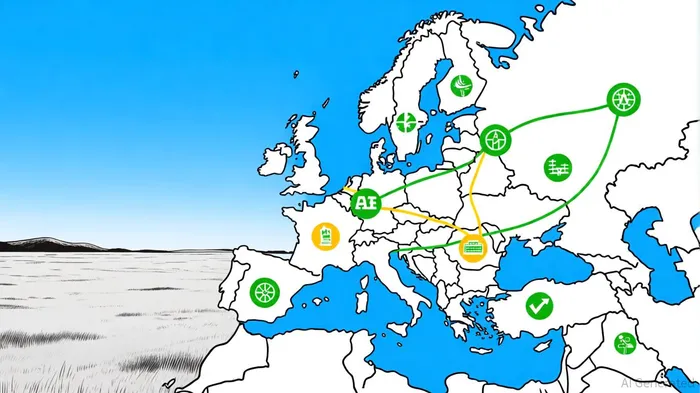
In an era of geopolitical fragmentation and economic volatility, investors are increasingly turning to markets that balance strategic diversification with geopolitical resilience. Small European and Gulf markets, often overlooked in favor of larger economies, are emerging as critical players in this landscape. Their ability to adapt to global shifts—through fiscal innovation, technological investment, and strategic alliances—offers compelling opportunities for those seeking to hedge against systemic risks while capitalizing on growth.
Gulf Markets: Diversification as a Survival Strategy
The Gulf Cooperation Council (GCC) has long been synonymous with hydrocarbon wealth, but recent years have seen a deliberate pivot toward economic resilience. According to a report by PwC, non-oil GDP in the GCC grew by 3.7% in 2024 and is projected to expand by 4.2% in 2025, driven by tourism, real estate, and manufacturing[2]. This growth is underpinned by strategic fiscal management, including a 35% projected increase in Saudi Arabia's foreign debt by 2025 to fund diversification projects[2].
The UAE, for instance, has extended corporate tax exemptions to foreign-owned firms, reinforcing its position as a global business hub[5]. Meanwhile, Saudi Arabia's Vision 2030 includes a five-year renewable energy contract initiative to attract private investment in infrastructure[5]. These efforts are complemented by tax reforms aligned with the OECD's Pillar 2 framework, which institutionalize stable revenue streams while curbing profit-shifting[2].
Geopolitically, Gulf nations are diversifying partnerships beyond traditional allies. The first EU-GCC summit in October 2024 highlighted shared goals in clean energy, digital connectivity, and resilient supply chains[3]. This alignment reflects a mutual recognition of the need to counter global fragmentation, particularly as Gulf states deepen ties with Asia and the EU navigates transatlantic trade tensions[1].
European Markets: Resilience Through Strategic Alliances
Small European countries and the EU as a whole are recalibrating their economic strategies to mitigate risks from great-power rivalries and supply chain disruptions. The European Stability Mechanism (ESM) and European Banking Authority (EBA) have collaborated to enhance financial sector resilience against cyberattacks and geopolitical shocks[1]. Central and Eastern Europe, in particular, is prioritizing energy security through cross-border infrastructure and cleantech manufacturing to reduce reliance on external energy sources[2].
The EU's new foreign economic policy emphasizes “open strategic autonomy,” blending economic security with climate goals and human rights[4]. This approach is evident in initiatives like the India–Middle East–Europe Economic Corridor (IMEEC), which diversifies trade routes and strengthens ties with Gulf partners[3]. Additionally, the EU's Free Trade Agreement (FTA) negotiations with the UAE, launched in April 2025, aim to secure stable markets amid U.S.-led tariff hikes[1].
For small European nations, the Gulf represents a critical diversification avenue. By engaging with GCC partners in sectors like renewable energy and AI, these countries can offset vulnerabilities in traditional industries. The UAE's AI-driven urban hubs, for example, offer European firms opportunities to co-develop technologies while accessing Gulf capital[5].
Converging Opportunities: A New Geopolitical Paradigm
The interplay between Gulf and European markets is reshaping global economic dynamics. GCC nations are investing in European infrastructure and technology, while the EU is leveraging Gulf resourcesGURE-- to bolster energy security. This symbiosis is exemplified by the GCC–ASEAN–China summit, which underscores the Gulf's intent to diversify its geopolitical footprint[2].
For investors, the key lies in identifying assets that bridge these converging priorities. Renewable energy projects in the Gulf, AI partnerships with European firms, and cross-border infrastructure ventures present high-conviction opportunities. As noted by the World Investment Report 2025, international investment in the digital economy is accelerating, with Gulf and European markets at the forefront[1].
Conclusion
Small European and Gulf markets are no longer peripheral players in the global economy. Their strategic diversification and geopolitical resilience—driven by fiscal innovation, technological investment, and cross-regional partnerships—position them as linchpins in a multipolar world. For investors, the imperative is clear: allocate capital to markets that not only withstand shocks but actively shape the future of global trade and technology.







Comentarios
Aún no hay comentarios