
Emerging Meme Coins: Short-Term Speculation in the Post-Shiba Inu Era
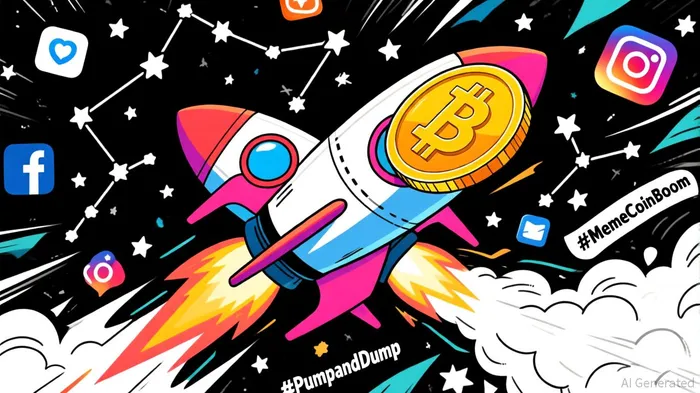
The memeMEME-- coin market has entered a new phase of frenetic activity, with investors seeking the next Shiba InuSHIB-- (SHIB)-style phenomenon. As of 2025, the total market cap of meme coins has surged past $79 billion, driven by a combination of viral branding, community-driven narratives, and strategic listings on platforms like Robinhood [1]. While SHIBSHIB-- remains a dominant force, newer tokens such as Popcat (POPCAT), PENGUPENGU--, and FLOKIFLOKI-- are capturing attention, leveraging unique storytelling and technical advancements to carve out speculative niches. This article examines the post-ShIB market dynamics, evaluates the short-term potential of emerging meme coins, and weighs the risks inherent in this volatile sector.
The Post-Shiba Inu Landscape: From Hype to Hybrid Utility
Shiba Inu's journey from a DogecoinDOGE-- (DOGE) competitor to a multi-faceted ecosystem—encompassing Shibarium (a Layer-2 blockchain), ShibaSwap (a decentralized exchange), and NFT initiatives—has set a blueprint for meme coins aiming to transcend pure speculation [2]. However, SHIB's dominance is now contested by projects that blend meme culture with functional blockchain infrastructure. For instance, PENGU, tied to the Pudgy Penguins NFT collection, has seen a 184% price surge over a month by leveraging cross-platform engagement between NFT holders and token stakers [3]. Similarly, Popcat (POPCAT) has surged 16% in a short period, breaking key resistance levels as its viral “popcat” meme gains traction on platforms like TikTok and Reddit [4].
The success of these tokens underscores a shift in investor psychology: while humor and virality remain foundational, projects now require a hybrid appeal that combines community-driven momentum with tangible utility. For example, WIF (dogwifhat) has surged 43.14% past its 100-day EMA, signaling bullish technical momentum, while LILPEPE's structured tokenomics and anti-sniper bot technology position it as a more “legitimized” speculative asset [5].
Short-Term Speculative Opportunities: Momentum and Market Catalysts
The recent surge in meme coin prices is fueled by a confluence of factors:
1. Robinhood Listings: Tokens like POPCAT and PNUTPNUT-- experienced 20% price jumps following their listings on the platform, democratizing access for retail investors and amplifying trading volumes [6].
2. Social Media Amplification: Projects with strong community engagement—such as FLOKI's 44% two-day surge—often correlate with breaking technical indicators like trendlines and moving averages [7].
3. NFT Synergy: PENGU's 4.5% price increase highlights how NFT ecosystems can drive token demand, creating a feedback loop between digital collectibles and utility tokens [8].
Data from Coinedition suggests that meme coins with clear branding and narrative coherence are outperforming generic tokens, with Popcat and PNUT leading the charge [9]. However, these gains remain fragile, as most tokens trade below historical peaks despite the broader market rally.
Risks and Realities: Volatility, Scams, and Regulatory Shadows
While the meme coin market thrives on speculative fervor, it remains rife with risks. First, price volatility is endemic: a single tweet from a key opinion leader (KOL) or a flash-loan attack on a project's blockchain can trigger abrupt price swings. For example, a 2025 security breach on Shibarium led to stagnant adoption post-upgrade, despite initial optimism [10].
Second, pump-and-dump schemes persist, with projects like $Trump coin and $HAWK serving as cautionary tales of rapid price collapses after artificial hype [11]. Retail investors are particularly vulnerable, as liquidity often dries up once the viral moment passes.
Third, regulatory uncertainty looms large. As governments scrutinize unregulated crypto projects, meme coins face potential restrictions on marketing and exchange listings, which could erode liquidity [12].
The Path Forward: Sustainability or Speculation?
Experts remain divided on whether meme coins can evolve into sustainable assets. While SHIB's ecosystem expansion and LILPEPE's anti-sniper bot technology hint at long-term viability, the market's saturation with over 10,000 meme tokens suggests that only a few will endure [13]. Projects that integrate real-world utility—such as DeFi staking, NFT interoperability, or community governance—stand the best chance of transitioning from speculative fads to functional blockchain platforms.
Conclusion: Navigating the Meme Coin Maze
For investors considering short-term speculation in meme coins, the post-ShIB landscape offers both allure and peril. Tokens like Popcat and PENGU demonstrate the potential for explosive gains, but these come with high volatility, liquidity risks, and regulatory uncertainties. Success hinges on rigorous due diligence: evaluating a project's community strength, technical fundamentals, and alignment with broader market trends. As the sector matures, only those projects that balance meme-driven hype with sustainable innovation will likely survive the inevitable market corrections.






Comentarios
Aún no hay comentarios