
The Emerging Industrial Rebound in Webster, NY: A Strategic Opportunity in Undervalued Real Estate and Infrastructure
Infrastructure as a Catalyst for Growth
Webster's resurgence is underpinned by a deliberate focus on infrastructure readiness. The Xerox campus redevelopment, for instance, has prioritized shovel-ready industrial space, reducing construction timelines and upfront costs for developers. This approach aligns with broader state initiatives like Governor Kathy Hochul's "sustainable economic ecosystem" strategy, which emphasizes zoning reforms and public investment to attract high-growth sectors such as semiconductor production and renewable energy. The results are evident: over one million square feet of industrial space is projected to be developed by 2025, alongside a 10.1% annual increase in median home prices.
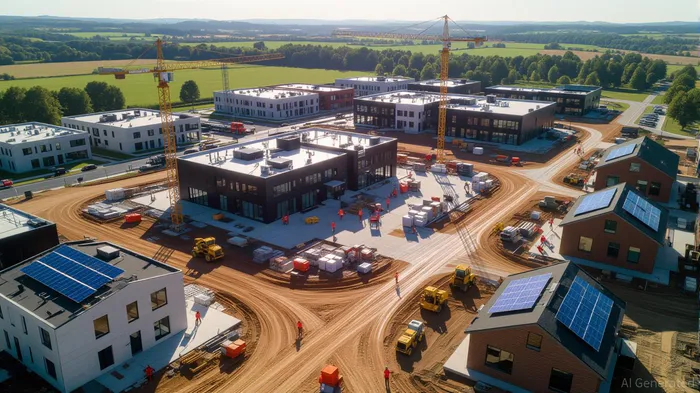
A key driver of this momentum is the $650 million fairlife® dairy facility, now under construction and expected to generate 250 jobs. This project, part of a $283 million state initiative to expand Upstate New York's industrial sector, underscores the town's appeal to capital-intensive industries. Complementary infrastructure upgrades, including road extensions to Boulter Industrial Parkway, further enhance connectivity and logistics efficiency.
Public-Private Partnerships and Risk Mitigation
The success of Webster's industrial rebound hinges on collaborative models that blend state-backed risk reduction with private-sector agility. For example, the Reimagine Webster Master Plan and NY Forward Program have streamlined permitting and offered tax incentives to accelerate development. These initiatives reduce regulatory hurdles, a critical factor in a market where rapid occupancy is essential for developers.
Third-party validation of this strategy comes from the Brownfield Opportunity Area program, which has mitigated redevelopment risks for the Xerox campus. By addressing environmental remediation and zoning challenges upfront, the program has attracted high-tech industries and mixed-use developments. As stated by a report from New Blueprint Partners, such partnerships are redefining secondary markets like Webster, enabling them to rival traditional industrial corridors.
Economic and Residential Spillovers
The industrial boom is not confined to commercial real estate. Webster's revitalization efforts, including the West Webster Hamlet Revitalization Project, are transforming the 600 Ridge Road site into a walkable community by 2026. This mixed-use development, coupled with improved infrastructure, is likely to drive residential demand and further stabilize property values. Meanwhile, the town's low vacancy rates and strategic location near major transportation networks position it to benefit from the national industrial leasing market's projected recovery by mid-2026.
A Model for Long-Term Value Creation
For investors, Webster exemplifies how infrastructure-led growth can generate durable returns. The Xerox campus's modernized utilities and pre-approved zoning reduce exposure to unpredictable construction costs, a critical advantage in an era of rising material prices. Additionally, the state's commitment to wastewater modernization and tax policy reforms ensures continued support for industrial and residential development.
As the national industrial real estate market stabilizes, Webster's combination of low vacancy rates, strategic infrastructure, and forward-looking policies positions it as a premier destination for capital. The town's ability to attract projects like fairlife and its alignment with state-level economic goals suggest that this rebound is not a short-term blip but a structural shift with long-term implications.





Comentarios
Aún no hay comentarios