
Embraer's African Ambition: Can the E2 Jet Seize a Strategic Niche?
The aviation industry's next battleground is Africa. With passenger traffic expected to grow at 5% annually through 2030, regional carriers are racing to modernize fleets while balancing cost and capacity. Enter Brazil's EmbraerERJ--, whose E2 jet series is emerging as a disruptive force. Recent talks between Embraer and Royal Air Maroc—a key player in North African and European markets—hint at a pivotal moment for the company's African strategy. Let's dissect the opportunities, risks, and what investors should watch.
The Royal Air Maroc Catalyst: A Blueprint for Regional Dominance
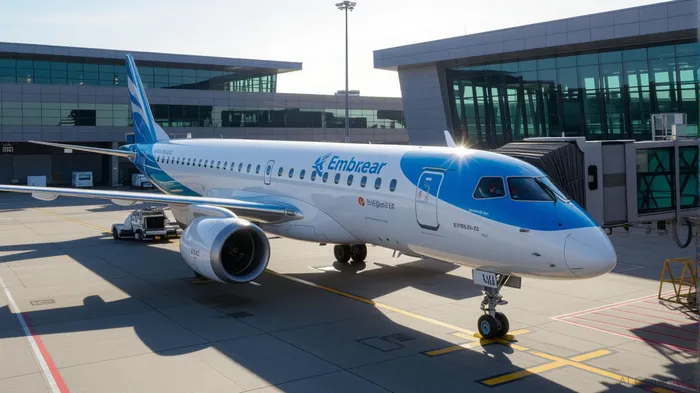
Royal Air Maroc's potential order of up to 200 aircraft—part of a broader fleet renewal—is the linchpin here. While the airline is evaluating Boeing's 737 MAX/787 and Airbus's A220, the E2 series offers a compelling edge. Its 20% improvement in fuel efficiency over earlier models and 110–146-seat capacity make it ideal for high-frequency, medium-haul routes dominating Africa's aviation landscape. Crucially, Morocco's tourism boom and its 2030 FIFA World Cup preparations are creating urgency for cost-effective capacity.
The E2's flexibility also aligns with Royal Air Maroc's dual goals: expanding regional services while maintaining profitability. A deal could set a precedent for other African carriers, such as Kenya Airways or Ethiopian Airlines, which face similar modernization demands.
Why the E2 Could Win Over Competitors
Embraer's niche is clear: regional carriers seeking efficiency without sacrificing reach. The E2's operational costs are 15–20% lower than rivals, a critical factor in markets where oil prices and interest rates loom large. Meanwhile, BoeingBA-- and Airbus dominate the single-aisle market, leaving Embraer to carve out a specialized but lucrative segment.
Royal Air Maroc's existing fleet—32 Boeing 737s and 11 787s—hints at a split strategy: Boeing for long-haul and Embraer/Airbus for regional routes. If Embraer secures even a portion of the order (10–20 units initially), it would validate its African play and open doors to neighboring markets.
Risks That Could Ground the Deal
- Deal Uncertainty: No contract is finalized. Royal Air Maroc is still weighing proposals, and geopolitical factors—such as Morocco's relations with Algeria or its reliance on European Union subsidies—could complicate the process.
- Production Capacity: Embraer's ability to scale up E2 deliveries without supply chain bottlenecks (a lingering post-pandemic issue) is unproven. Delays would hurt both its reputation and cash flow.
- Macroeconomic Headwinds: Rising interest rates and oil prices could force airlines to shrink orders. A 2025–2026 recession could postpone fleet upgrades indefinitely.
The Investment Thesis: Buy the Dip, But Wait for the Contract
Embraer's stock has already priced in some optimism, rising 2% in June on rumors. However, a definitive Royal Air Maroc deal—especially one including the C-390 military transport (which doubles as a cargo jet)—could trigger a sustained rally. Key catalysts to watch:
- Q3 2025 Production Reports: Confirm whether E2 output is scaling smoothly.
- October 2025: Expected timeframe for Royal Air Maroc's board approval of the order.
Recommendation: Investors should treat Embraer as a buy candidate with a $15–20 price target (assuming a 20–30% upside from current levels), but only after a contract is signed. Until then, use dips below $12 as opportunistic entry points.
Conclusion: A High-Reward, High-Risk African Gamble
Embraer's pivot to Africa is a high-stakes move to counter Boeing/Airbus dominance. The Royal Air Maroc deal is more than a single order—it's a test of Embraer's ability to redefine itself as a go-to partner for emerging markets. Success here could unlock a $20 billion addressable market in Africa alone. But without a signed contract, patience is key.
Stay tuned to production metrics and geopolitical news flows. For now, Embraer remains a speculative play with asymmetric upside—if the E2 takes off in Africa, so will its stock.





Comentarios
Aún no hay comentarios