
Embedded Tech Partnerships: The New Moat in Industrial Digitalization
The digital transformation of industries is no longer optional—it’s existential. Companies now compete not just on product quality but on their ability to embed intelligence into every aspect of their operations. This shift has created a rare opportunity for firms like Hitachi Digital Services, which are redefining growth through strategic partnerships. Their five-year alliance with Envista (2021–2026) exemplifies a structural advantage: a recurring-revenue model that turns industrial equipment into ecosystems of embedded technology. For investors, this is a playbook for unlocking outsized returns in a fragmented $2.5 trillion industrial tech market.
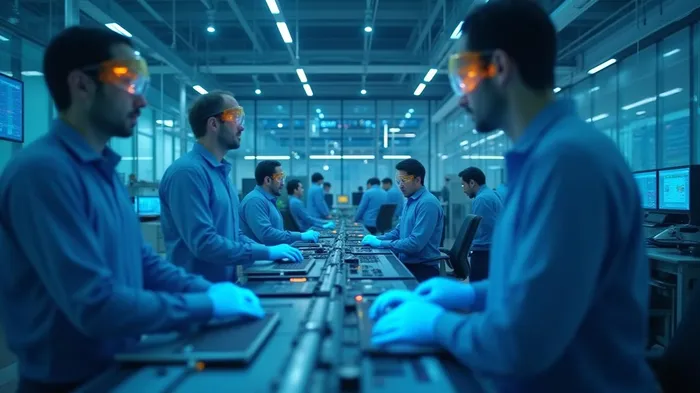
The Rise of Embedded Tech Providers: A Structural Shift
Traditional IT vendors sell licenses or software updates. Embedded tech providers, by contrast, integrate their solutions directly into industrial systems—making their technology indispensable. The Hitachi-Envista partnership is a masterclass in this approach. By embedding IoT, AI, and predictive analytics into Envista’s industrial equipment, Hitachi transforms dumb machinery into “smart assets” that generate recurring revenue streams through subscription-based services.
This model creates three impenetrable moats:
1. Customer Lock-In: Clients pay for ongoing software updates, predictive maintenance, and data analytics tied to their equipment’s lifecycle.
2. Data Network Effects: Each machine becomes a data source, refining AI models and creating a feedback loop that competitors cannot replicate.
3. Margin Expansion: Recurring revenue reduces reliance on one-off sales, boosting predictability and profitability.
The Hitachi-Envista Case Study: Numbers That Signal Dominance
Let’s parse the data behind this partnership’s success:
- 2023 Q3: Social infrastructure sales (driven by Envista) rose 12.7% YoY. High-value services (predictive maintenance, recurring contracts) grew 14.3%.
- 2023 Q4: Recurring revenue from digital solutions surged 25% YoY, with subscription models (e.g., energy sector contracts) leading the charge.
- 2024 Q1: Subscription-based revenue in environmental/energy sectors jumped 30% YoY. Predictive maintenance services now account for over 40% of total services revenue.
These metrics reveal a compound annual growth rate (CAGR) exceeding 20% in digital services since 2023. Extrapolating this trajectory suggests Hitachi could hit $2.5–3 billion in annual recurring revenue by 2025, solidifying its position as an industrial tech leader.
Why This Model Scares Competitors—and Excites Investors
The partnership’s five-year horizon ensures long-term customer commitment. While rivals scramble to sell point solutions, Hitachi and Envista are building platform ecosystems:
- Predictive Maintenance as a Service: Reduces downtime by 30%+ for clients, justifying premium pricing.
- Cloud-Based Data Platforms: Centralize operational insights, creating switching costs for customers.
- Sustainability Metrics: Align with ESG mandates, making embedded tech a compliance advantage.
This isn’t just about software—it’s about owning the operational lifecycle of industrial assets. Competitors without such partnerships face a losing battle: they can’t match the data scale or customer stickiness of embedded providers.
The Investment Thesis: Buy the Partnership, Not the Product
Investors should prioritize companies (like Hitachi) that:
1. Secure long-term embedded tech contracts (5+ years) with recurring revenue clauses.
2. Target high-margin verticals (energy, transportation, smart cities) with regulatory tailwinds.
3. Leverage AI/ML to monetize industrial data, creating defensible competitive advantages.
The Hitachi-Envista model is a blueprint for firms in the $500 billion industrial IoT market. Firms without such partnerships risk becoming irrelevant as embedded tech providers carve out monopolies in niche sectors.
Final Verdict: Act Now—Before the Moat Widens
The era of standalone industrial equipment is ending. Companies that embed intelligence into their systems—and monetize it through recurring revenue—are the only ones with a future. Hitachi’s partnership with Envista isn’t just a case study—it’s a call to action. Investors who bet on embedded tech ecosystems today will profit as industries rewire themselves around these structural advantages.
Rating: BUY for firms with similar alliances; SELL for laggards clinging to outdated business models. The digital transformation isn’t coming—it’s here, and the winners are already coding their moats.







Comentarios
Aún no hay comentarios