
EM Investors Face Stocks vs. Bonds Dilemma Amid Trump's Return
Generado por agente de IAWesley Park
domingo, 1 de diciembre de 2024, 8:59 am ET1 min de lectura
BCD--
As the dust settles on the U.S. presidential election, emerging market (EM) investors find themselves in a tricky situation. Donald Trump's re-election has sparked a stocks versus bonds dilemma, with potential implications for EM portfolios. This article explores the challenges and opportunities that EM investors face in light of Trump's second term.
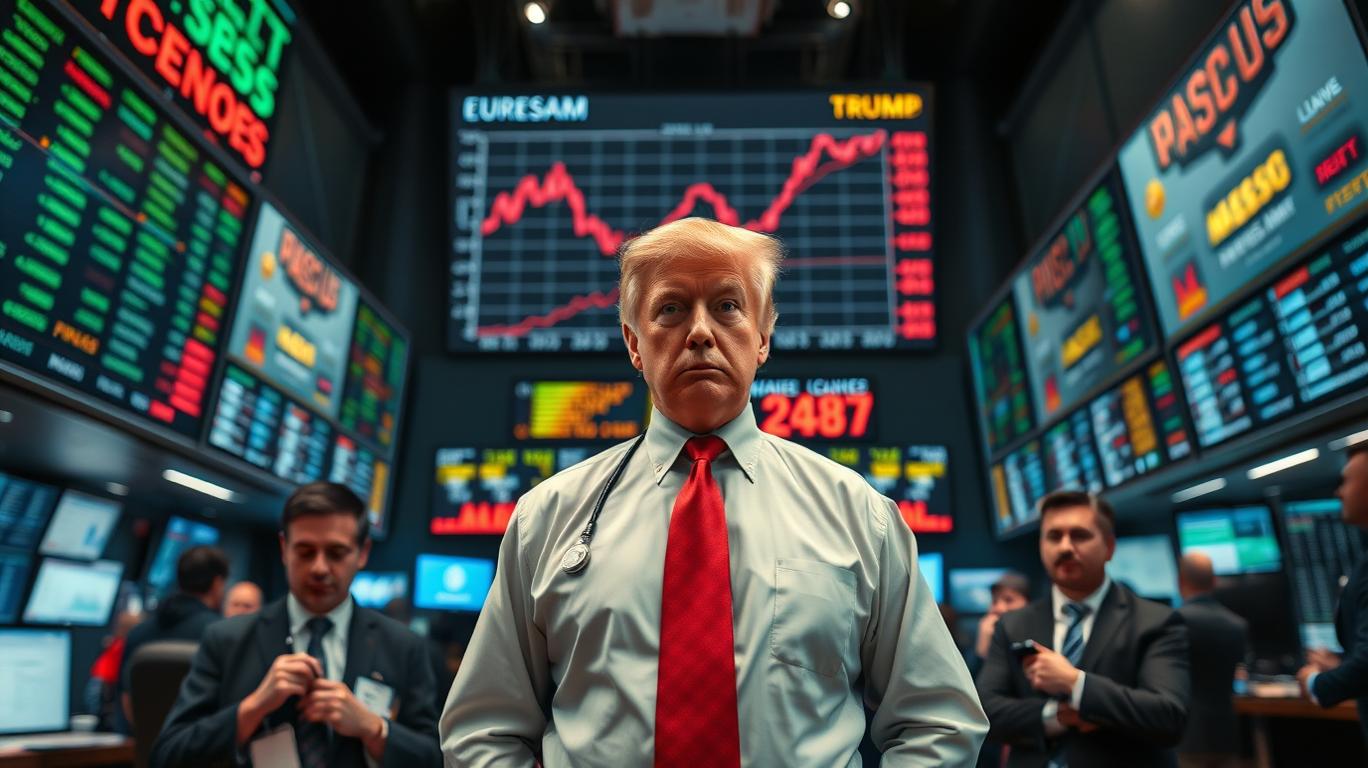
Trump's proposed policies, including tariffs and trade restrictions, have the potential to impact EM economies. Higher tariffs could increase inflation and reduce economic growth, hurting EM bonds by driving up borrowing costs and making it harder for governments to finance deficits. On the other hand, Trump's pro-growth agenda, such as tax cuts, could boost global demand and potentially benefit EM stocks.
An analysis by Abrdn shows that consumer staples and energy sectors have the highest exposure to U.S. imports, with 14% of China's GDP in 2023 attributed to U.S. imports. This suggests that EM investors should consider diversifying portfolios away from these sectors to mitigate potential tariff risks. However, a balanced portfolio approach that combines growth and value stocks can help navigate the opportunities and risks presented by Trump's second term.
A key aspect for investors to consider is the potential impact of Trump's policies on EM currencies and debt markets. Higher U.S. interest rates and a strong dollar could drain liquidity from overseas markets, triggering volatility in EM currencies and debt. However, if Trump's pro-growth agenda boosts consumer spending and corporate profits, it could increase demand for EM goods and services.
In conclusion, EM investors face a stocks versus bonds dilemma as Trump returns. Trump's policies, such as tariffs and trade restrictions, could exacerbate macro headwinds, yet also create opportunities. To balance opportunities and risks, investors can adopt a macro lens, considering the potential impact of Trump's policies on emerging markets and adjusting their portfolio allocation accordingly. Diversifying portfolios and focusing on understanding individual business operations can help EM investors navigate the opportunities and risks presented by Trump's second term.
As an experienced investment consultant, I believe in prioritizing risk management, informed market predictions, and thoughtful asset allocation. By valuing companies with robust management and enduring business models, investors can build a resilient portfolio that can weather the challenges and embrace the opportunities that Trump's second term may bring.
As the dust settles on the U.S. presidential election, emerging market (EM) investors find themselves in a tricky situation. Donald Trump's re-election has sparked a stocks versus bonds dilemma, with potential implications for EM portfolios. This article explores the challenges and opportunities that EM investors face in light of Trump's second term.
Trump's proposed policies, including tariffs and trade restrictions, have the potential to impact EM economies. Higher tariffs could increase inflation and reduce economic growth, hurting EM bonds by driving up borrowing costs and making it harder for governments to finance deficits. On the other hand, Trump's pro-growth agenda, such as tax cuts, could boost global demand and potentially benefit EM stocks.
An analysis by Abrdn shows that consumer staples and energy sectors have the highest exposure to U.S. imports, with 14% of China's GDP in 2023 attributed to U.S. imports. This suggests that EM investors should consider diversifying portfolios away from these sectors to mitigate potential tariff risks. However, a balanced portfolio approach that combines growth and value stocks can help navigate the opportunities and risks presented by Trump's second term.
A key aspect for investors to consider is the potential impact of Trump's policies on EM currencies and debt markets. Higher U.S. interest rates and a strong dollar could drain liquidity from overseas markets, triggering volatility in EM currencies and debt. However, if Trump's pro-growth agenda boosts consumer spending and corporate profits, it could increase demand for EM goods and services.
In conclusion, EM investors face a stocks versus bonds dilemma as Trump returns. Trump's policies, such as tariffs and trade restrictions, could exacerbate macro headwinds, yet also create opportunities. To balance opportunities and risks, investors can adopt a macro lens, considering the potential impact of Trump's policies on emerging markets and adjusting their portfolio allocation accordingly. Diversifying portfolios and focusing on understanding individual business operations can help EM investors navigate the opportunities and risks presented by Trump's second term.
As an experienced investment consultant, I believe in prioritizing risk management, informed market predictions, and thoughtful asset allocation. By valuing companies with robust management and enduring business models, investors can build a resilient portfolio that can weather the challenges and embrace the opportunities that Trump's second term may bring.

Divulgación editorial y transparencia de la IA: Ainvest News utiliza tecnología avanzada de Modelos de Lenguaje Largo (LLM) para sintetizar y analizar datos de mercado en tiempo real. Para garantizar los más altos estándares de integridad, cada artículo se somete a un riguroso proceso de verificación con participación humana.
Mientras la IA asiste en el procesamiento de datos y la redacción inicial, un miembro editorial profesional de Ainvest revisa, verifica y aprueba de forma independiente todo el contenido para garantizar su precisión y cumplimiento con los estándares editoriales de Ainvest Fintech Inc. Esta supervisión humana está diseñada para mitigar las alucinaciones de la IA y garantizar el contexto financiero.
Advertencia sobre inversiones: Este contenido se proporciona únicamente con fines informativos y no constituye asesoramiento profesional de inversión, legal o financiero. Los mercados conllevan riesgos inherentes. Se recomienda a los usuarios que realicen una investigación independiente o consulten a un asesor financiero certificado antes de tomar cualquier decisión. Ainvest Fintech Inc. se exime de toda responsabilidad por las acciones tomadas con base en esta información. ¿Encontró un error? Reportar un problema


SOBRE NOSOTROS
Nuestra historiaAutores de noticiasBase de conocimientosPolítica de privacidadTérmino de usoDescargo de responsabilidad de corretaje de tercerosTérminos de uso de AIMEDivulgaciones de riesgos de AInvest AICarrerasCONTÁCTENOS
Email: support@ainvest.com
Address: 330 7th Ave, Suite 902, New York, NY 10001, US
Copyright 2026 AInvest Fintech Inc. All rights reserved.


Comentarios
Aún no hay comentarios