
Elon Musk: The New Technoking of the Federal Government
Generado por agente de IAWesley Park
miércoles, 5 de febrero de 2025, 6:55 am ET1 min de lectura
TSLA--
In a move that has left many scratching their heads, Elon Musk has crowned himself the "Technoking" of the federal government. The billionaire entrepreneur, who is already the CEO of Tesla and SpaceX, has been named the Co-Chair of the Department of Government Efficiency (DOGE) by President Donald Trump. But what does this mean for the balance of power between the executive, legislative, and judicial branches, and how might Musk's approach to government efficiency differ from traditional methods?
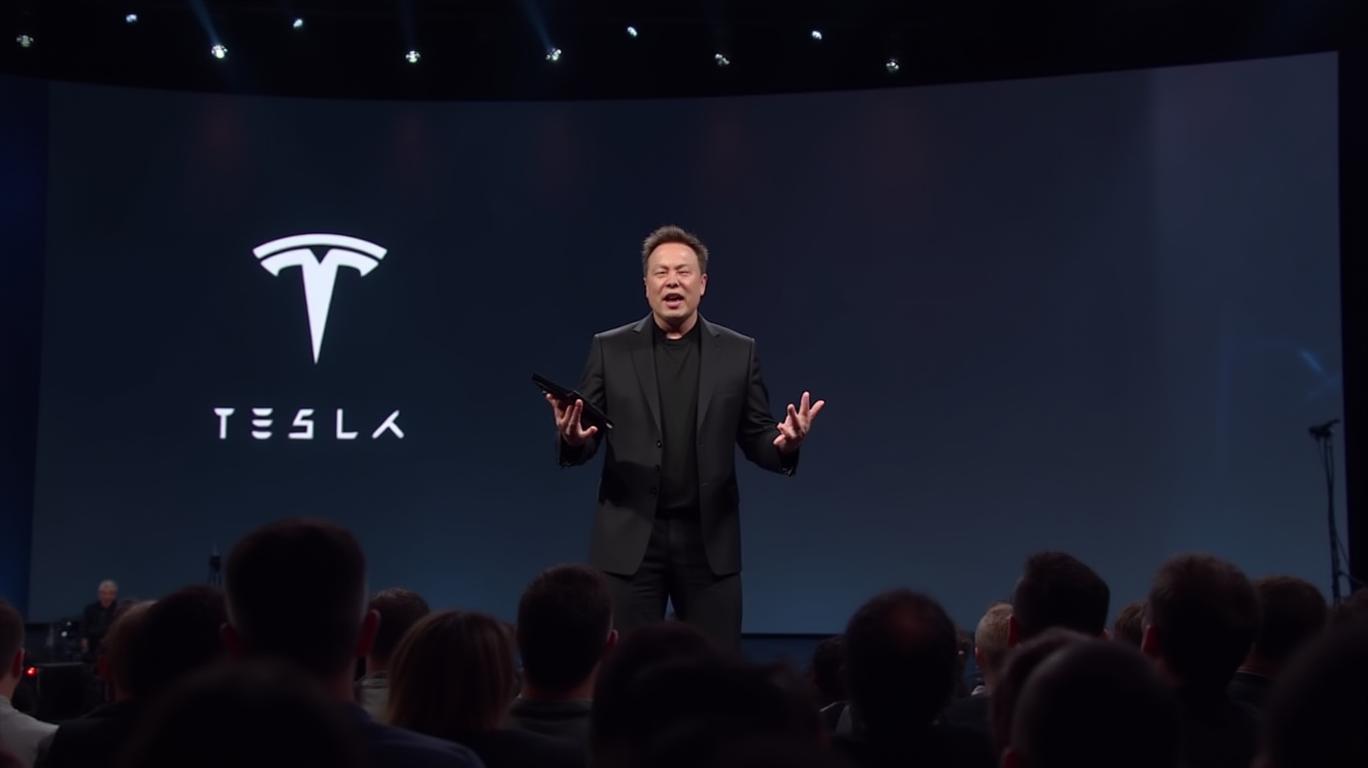
First, let's address the elephant in the room: the potential conflicts of interest that may arise from Musk's role. As the CEO of Tesla, SpaceX, and X (formerly Twitter), Musk has extensive business interests that could be directly affected by his decisions in the federal government. To mitigate these conflicts, Musk should be subject to strict ethics rules and financial disclosure requirements, similar to those faced by other government officials. Additionally, he should recuse himself from decisions that directly affect his businesses or their competitors.
Now, let's consider how Musk's approach to government efficiency, informed by his background in tech and venture capital, might differ from traditional methods. Musk's fast-paced, slash-and-burn tactics could lead to significant disruptions for federal agencies and their employees, as seen in the closure of the U.S. Agency for International Development (USAID) and the termination of federal office leases. This approach could also lead to a greater emphasis on technological solutions and startup-like approaches within federal agencies, potentially displacing traditional methods and expertise.
However, Musk's disregard for established norms and protocols, as seen in his team's access to sensitive Treasury Department systems and targeting of USAID for closure, raises concerns about uncertainty and instability within federal agencies. Additionally, his lack of formal oversight as a special government employee could lead to decisions made behind closed doors, with little input from Congress or the public, potentially undermining democratic principles.
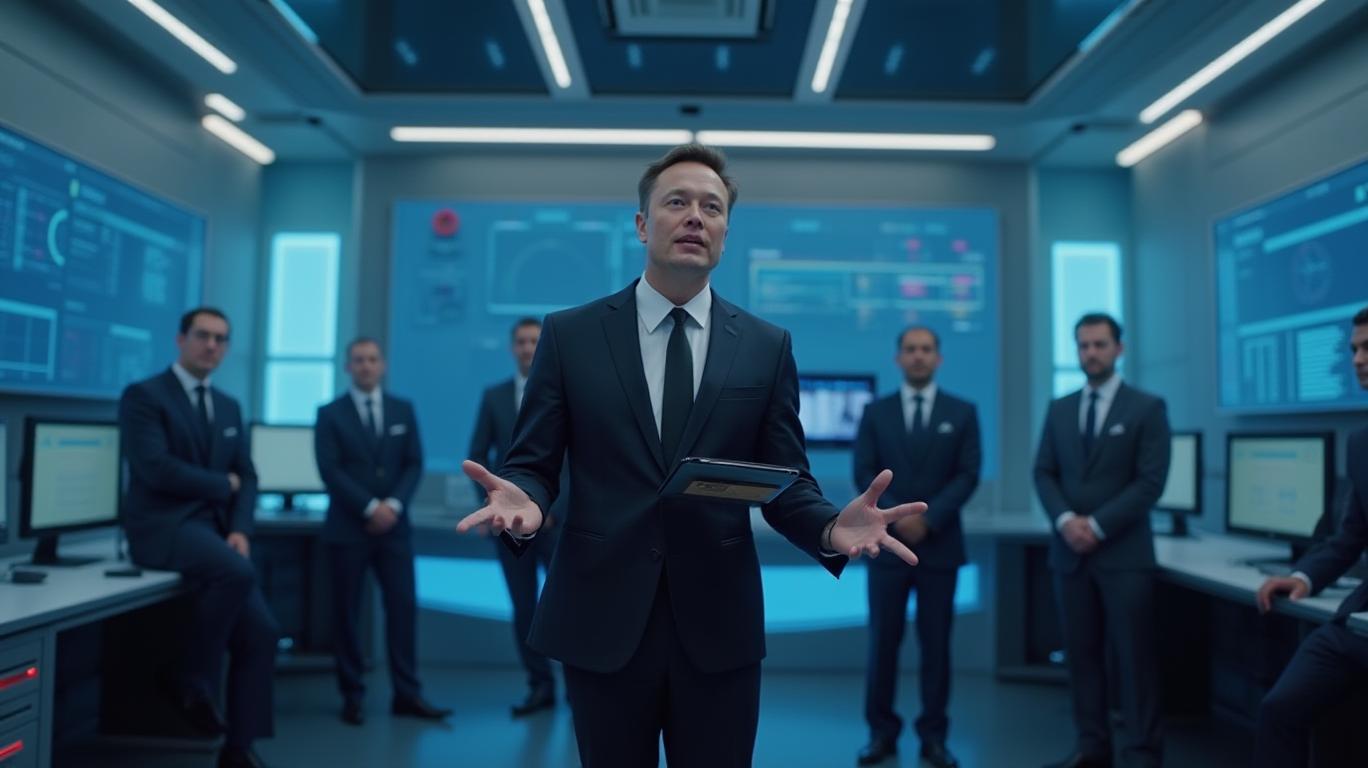
In conclusion, Elon Musk's appointment as "Technoking" of the federal government has raised concerns about conflicts of interest, disruption, disregard for norms, and lack of accountability. To address these concerns, Musk should be subject to strict ethics rules and financial disclosure requirements, and he should recuse himself from decisions that directly affect his businesses or their competitors. Additionally, an independent body should be established to oversee Musk's activities and ensure that he is not abusing his power. Congress should also play an active role in overseeing Musk's activities and ensuring that he is acting in the public interest. By implementing these measures, it would be possible to mitigate the potential conflicts of interest and ensure that Musk's approach to government efficiency is transparent, accountable, and in the best interests of the American people.
In a move that has left many scratching their heads, Elon Musk has crowned himself the "Technoking" of the federal government. The billionaire entrepreneur, who is already the CEO of Tesla and SpaceX, has been named the Co-Chair of the Department of Government Efficiency (DOGE) by President Donald Trump. But what does this mean for the balance of power between the executive, legislative, and judicial branches, and how might Musk's approach to government efficiency differ from traditional methods?
First, let's address the elephant in the room: the potential conflicts of interest that may arise from Musk's role. As the CEO of Tesla, SpaceX, and X (formerly Twitter), Musk has extensive business interests that could be directly affected by his decisions in the federal government. To mitigate these conflicts, Musk should be subject to strict ethics rules and financial disclosure requirements, similar to those faced by other government officials. Additionally, he should recuse himself from decisions that directly affect his businesses or their competitors.
Now, let's consider how Musk's approach to government efficiency, informed by his background in tech and venture capital, might differ from traditional methods. Musk's fast-paced, slash-and-burn tactics could lead to significant disruptions for federal agencies and their employees, as seen in the closure of the U.S. Agency for International Development (USAID) and the termination of federal office leases. This approach could also lead to a greater emphasis on technological solutions and startup-like approaches within federal agencies, potentially displacing traditional methods and expertise.
However, Musk's disregard for established norms and protocols, as seen in his team's access to sensitive Treasury Department systems and targeting of USAID for closure, raises concerns about uncertainty and instability within federal agencies. Additionally, his lack of formal oversight as a special government employee could lead to decisions made behind closed doors, with little input from Congress or the public, potentially undermining democratic principles.
In conclusion, Elon Musk's appointment as "Technoking" of the federal government has raised concerns about conflicts of interest, disruption, disregard for norms, and lack of accountability. To address these concerns, Musk should be subject to strict ethics rules and financial disclosure requirements, and he should recuse himself from decisions that directly affect his businesses or their competitors. Additionally, an independent body should be established to oversee Musk's activities and ensure that he is not abusing his power. Congress should also play an active role in overseeing Musk's activities and ensuring that he is acting in the public interest. By implementing these measures, it would be possible to mitigate the potential conflicts of interest and ensure that Musk's approach to government efficiency is transparent, accountable, and in the best interests of the American people.

Divulgación editorial y transparencia de la IA: Ainvest News utiliza tecnología avanzada de Modelos de Lenguaje Largo (LLM) para sintetizar y analizar datos de mercado en tiempo real. Para garantizar los más altos estándares de integridad, cada artículo se somete a un riguroso proceso de verificación con participación humana.
Mientras la IA asiste en el procesamiento de datos y la redacción inicial, un miembro editorial profesional de Ainvest revisa, verifica y aprueba de forma independiente todo el contenido para garantizar su precisión y cumplimiento con los estándares editoriales de Ainvest Fintech Inc. Esta supervisión humana está diseñada para mitigar las alucinaciones de la IA y garantizar el contexto financiero.
Advertencia sobre inversiones: Este contenido se proporciona únicamente con fines informativos y no constituye asesoramiento profesional de inversión, legal o financiero. Los mercados conllevan riesgos inherentes. Se recomienda a los usuarios que realicen una investigación independiente o consulten a un asesor financiero certificado antes de tomar cualquier decisión. Ainvest Fintech Inc. se exime de toda responsabilidad por las acciones tomadas con base en esta información. ¿Encontró un error? Reportar un problema


SOBRE NOSOTROS
Nuestra historiaAutores de noticiasBase de conocimientosPolítica de privacidadTérmino de usoDescargo de responsabilidad de corretaje de tercerosTérminos de uso de AIMEDivulgaciones de riesgos de AInvest AICarrerasCONTÁCTENOS
Email: support@ainvest.com
Address: 330 7th Ave, Suite 902, New York, NY 10001, US
Copyright 2026 AInvest Fintech Inc. All rights reserved.


Comentarios
Aún no hay comentarios