
Elon Musk's Slash-and-Burn Tactics in Europe: A New Era of Political Influence?
Generado por agente de IAWesley Park
miércoles, 8 de enero de 2025, 12:13 am ET2 min de lectura
TSLA--
Elon Musk, the billionaire tech mogul and CEO of Tesla and SpaceX, has been making waves in Europe with his political interventions, leaving many European leaders concerned about the stability and democratic norms of their countries. Musk's support for far-right parties and controversial figures, as well as his use of X (formerly Twitter) to amplify divisive narratives, has raised eyebrows and sparked debates about the unchecked power of tech magnates.
Musk's political involvement in Europe began with his endorsement of Germany's far-right Alternative for Germany (AfD) party ahead of their February elections. He praised the party in an op-ed, referring to it as "Germany's last spark of hope," and is set to host a live "spaces" with AfD leader Alice Weidel on January 9th. This endorsement comes despite the AfD's controversial positions, including anti-immigration rhetoric and skepticism of the European Union. Musk's actions have not been limited to Germany; he has also attacked UK leaders, including Labour Prime Minister Keir Starmer, accusing him of failing to act on child exploitation cases during his tenure as chief prosecutor and suggesting he should be imprisoned.
Musk's use of X to amplify divisive narratives and political content raises concerns about the neutrality of digital platforms during elections. European lawmakers have accused Musk of manipulating X's algorithms to promote far-right content, drowning out other perspectives. This could breach the Digital Services Act (DSA), which requires platforms to assess and mitigate risks to democratic processes. Musk's livestream with Alice Weidel and his promotion of divisive content could lead to substantial fines or temporary bans in the EU. German Chancellor Olaf Scholz and Green Party candidate Robert Habeck have criticized Musk's interference, warning against external influences on Germany's democracy.
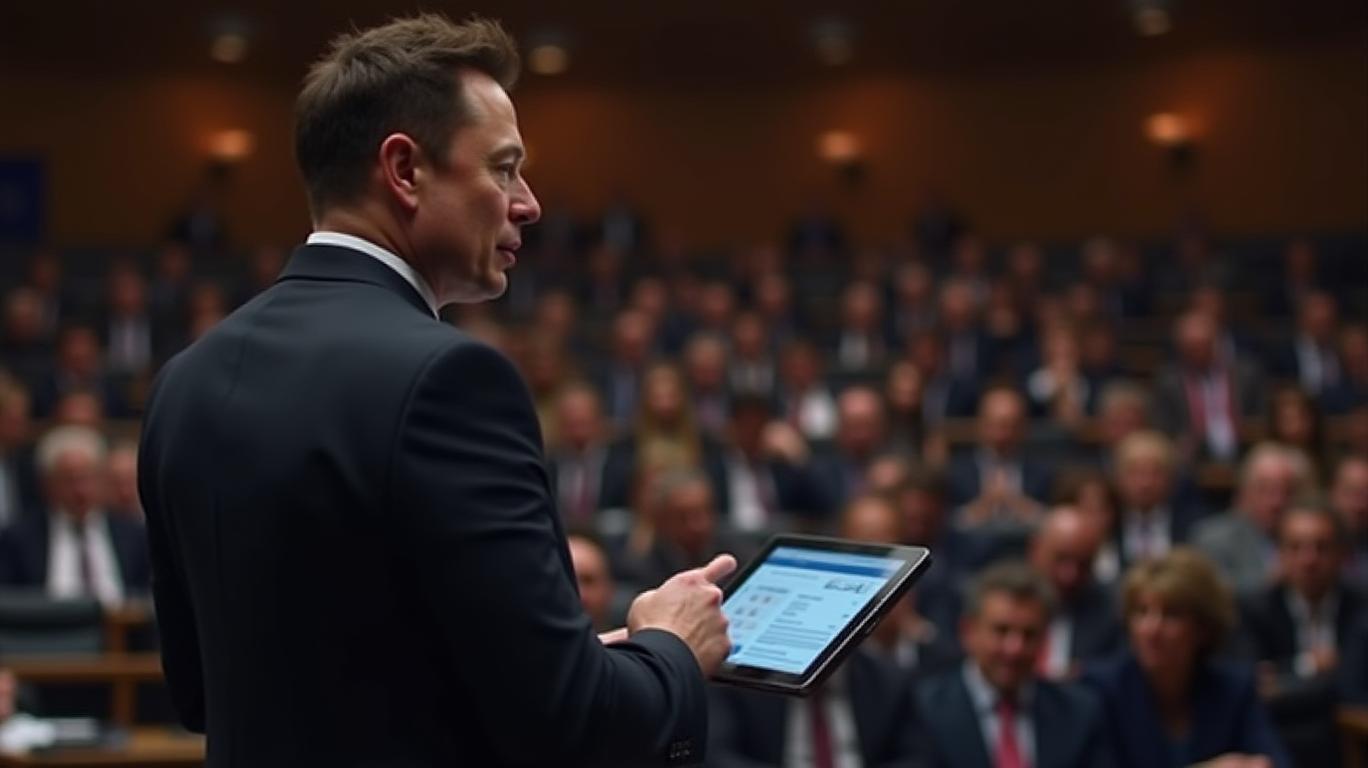
Musk's upcoming role as co-chair of the Department of Government Efficiency under President Trump raises concerns about his political interventions abroad being viewed as extensions of US policy. This could strain transatlantic relations, as European leaders have already criticized Musk's interference in their domestic politics. If Musk continues to use his platform to amplify divisive narratives and support far-right parties, it could further exacerbate tensions between the US and Europe, potentially impacting trade, security, and diplomatic relations.
In conclusion, Elon Musk's political involvement in Europe, particularly his support for far-right parties and controversial figures, raises concerns about the stability and democratic norms of European countries. His use of X to amplify divisive narratives and political content questions the neutrality of digital platforms during elections and could breach the Digital Services Act (DSA). Musk's upcoming role in the US government under President Trump could strain transatlantic relations, as European leaders have already criticized his interference in their domestic politics. As Musk continues to wield his influence, European leaders must remain vigilant in protecting democratic norms and maintaining political stability.
X--
Elon Musk, the billionaire tech mogul and CEO of Tesla and SpaceX, has been making waves in Europe with his political interventions, leaving many European leaders concerned about the stability and democratic norms of their countries. Musk's support for far-right parties and controversial figures, as well as his use of X (formerly Twitter) to amplify divisive narratives, has raised eyebrows and sparked debates about the unchecked power of tech magnates.
Musk's political involvement in Europe began with his endorsement of Germany's far-right Alternative for Germany (AfD) party ahead of their February elections. He praised the party in an op-ed, referring to it as "Germany's last spark of hope," and is set to host a live "spaces" with AfD leader Alice Weidel on January 9th. This endorsement comes despite the AfD's controversial positions, including anti-immigration rhetoric and skepticism of the European Union. Musk's actions have not been limited to Germany; he has also attacked UK leaders, including Labour Prime Minister Keir Starmer, accusing him of failing to act on child exploitation cases during his tenure as chief prosecutor and suggesting he should be imprisoned.
Musk's use of X to amplify divisive narratives and political content raises concerns about the neutrality of digital platforms during elections. European lawmakers have accused Musk of manipulating X's algorithms to promote far-right content, drowning out other perspectives. This could breach the Digital Services Act (DSA), which requires platforms to assess and mitigate risks to democratic processes. Musk's livestream with Alice Weidel and his promotion of divisive content could lead to substantial fines or temporary bans in the EU. German Chancellor Olaf Scholz and Green Party candidate Robert Habeck have criticized Musk's interference, warning against external influences on Germany's democracy.
Musk's upcoming role as co-chair of the Department of Government Efficiency under President Trump raises concerns about his political interventions abroad being viewed as extensions of US policy. This could strain transatlantic relations, as European leaders have already criticized Musk's interference in their domestic politics. If Musk continues to use his platform to amplify divisive narratives and support far-right parties, it could further exacerbate tensions between the US and Europe, potentially impacting trade, security, and diplomatic relations.
In conclusion, Elon Musk's political involvement in Europe, particularly his support for far-right parties and controversial figures, raises concerns about the stability and democratic norms of European countries. His use of X to amplify divisive narratives and political content questions the neutrality of digital platforms during elections and could breach the Digital Services Act (DSA). Musk's upcoming role in the US government under President Trump could strain transatlantic relations, as European leaders have already criticized his interference in their domestic politics. As Musk continues to wield his influence, European leaders must remain vigilant in protecting democratic norms and maintaining political stability.

Divulgación editorial y transparencia de la IA: Ainvest News utiliza tecnología avanzada de Modelos de Lenguaje Largo (LLM) para sintetizar y analizar datos de mercado en tiempo real. Para garantizar los más altos estándares de integridad, cada artículo se somete a un riguroso proceso de verificación con participación humana.
Mientras la IA asiste en el procesamiento de datos y la redacción inicial, un miembro editorial profesional de Ainvest revisa, verifica y aprueba de forma independiente todo el contenido para garantizar su precisión y cumplimiento con los estándares editoriales de Ainvest Fintech Inc. Esta supervisión humana está diseñada para mitigar las alucinaciones de la IA y garantizar el contexto financiero.
Advertencia sobre inversiones: Este contenido se proporciona únicamente con fines informativos y no constituye asesoramiento profesional de inversión, legal o financiero. Los mercados conllevan riesgos inherentes. Se recomienda a los usuarios que realicen una investigación independiente o consulten a un asesor financiero certificado antes de tomar cualquier decisión. Ainvest Fintech Inc. se exime de toda responsabilidad por las acciones tomadas con base en esta información. ¿Encontró un error? Reportar un problema


SOBRE NOSOTROS
Nuestra historiaAutores de noticiasBase de conocimientosPolítica de privacidadTérmino de usoDescargo de responsabilidad de corretaje de tercerosTérminos de uso de AIMEDivulgaciones de riesgos de AInvest AICarrerasCONTÁCTENOS
Email: support@ainvest.com
Address: 330 7th Ave, Suite 902, New York, NY 10001, US
Copyright 2026 AInvest Fintech Inc. All rights reserved.


Comentarios
Aún no hay comentarios