
Elon Musk's Role In Shaping Trumponomics: 'You've Got To Tariff The Rest Of The World'
Generado por agente de IAWesley Park
miércoles, 15 de enero de 2025, 6:52 pm ET2 min de lectura
AENT--
As Donald Trump prepares to assume the presidency for a second term, one name stands out among his economic advisors: Elon Musk. The Tesla CEO's influence on Trump's economic policies, particularly his stance on tariffs, could have significant implications for the global tech industry and the U.S. economy. Let's delve into the potential consequences of Musk's advocacy for government efficiency and disruption, as well as the impact of Trump's tariff policies on U.S. manufacturing and consumer prices.
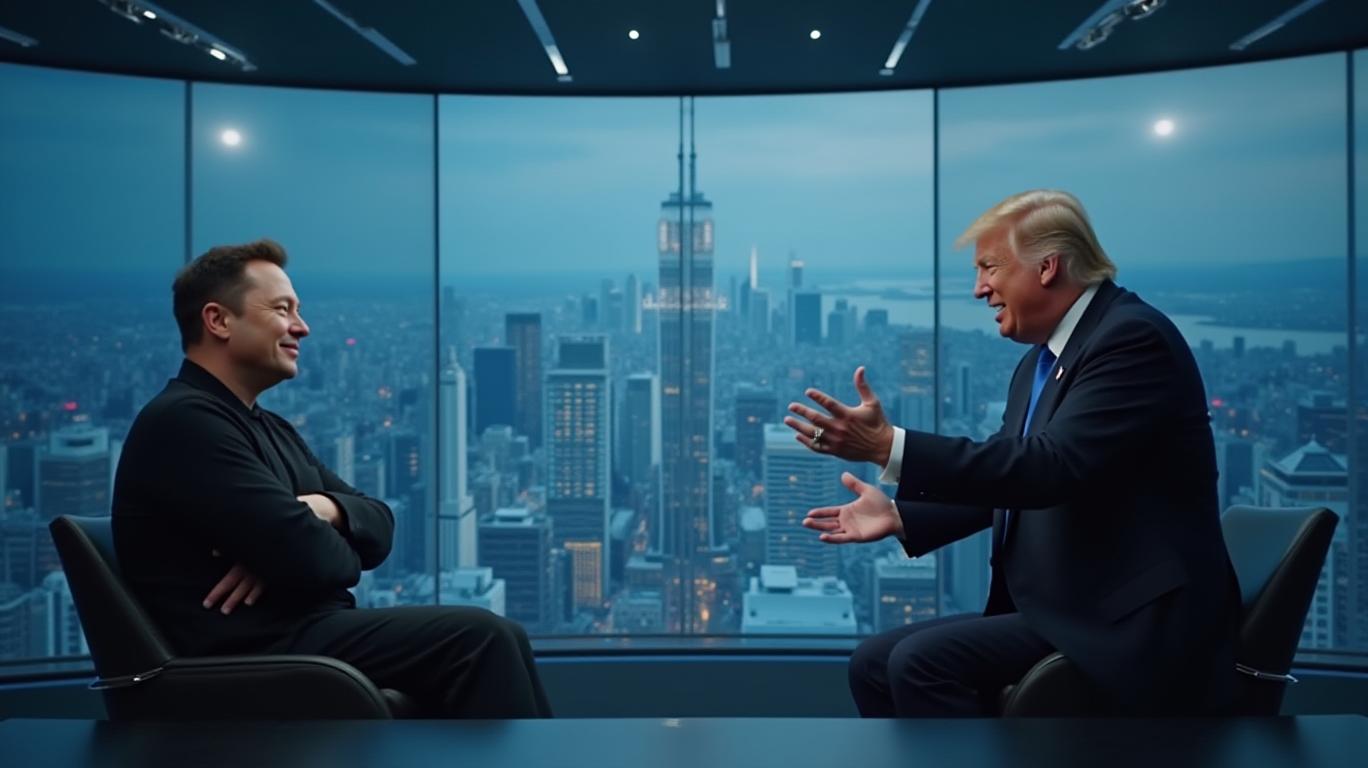
Musk's advocacy for government efficiency and disruption, as part of the newly created Department of Government Efficiency (DOGE), could lead to significant changes in federal bureaucracy and economic growth. As a co-leader of the DOGE, Musk could advocate for streamlining regulations, particularly in the tech and energy sectors. This could lead to faster approval processes for new technologies and products, reducing time-to-market and encouraging innovation. Additionally, Musk's background in technology and innovation could drive efforts to modernize government services, making them more efficient and user-friendly. However, the extent and impact of these changes will depend on factors such as the specific policies implemented, the level of resistance from entrenched interests, and the broader political and economic context.
Trump's tariff policies, on the other hand, could have significant consequences on U.S. manufacturing and consumer prices. Trump's tariffs on imported goods, such as steel and aluminum, increase the cost of inputs for U.S. manufacturers that rely on these materials. This higher cost can lead to reduced profitability or increased prices for the final products, making them less competitive in the global market. For example, the U.S. steel industry, which was a target of Trump's tariffs, saw a significant increase in prices, with some companies reporting a 50% increase in costs. When U.S. manufacturers face increased costs due to tariffs, they often pass these costs on to consumers in the form of higher prices. This can lead to a decrease in consumer purchasing power and potentially lower demand for goods. A study by the Peterson Institute for International Economics estimated that Trump's tariffs on China could cost a typical household in the middle of the income distribution about $1,700 in increased taxes each year.

Trump's tariffs can also disrupt global supply chains, as companies may need to find alternative sources for their inputs or adjust their production processes. This disruption can lead to increased uncertainty, higher costs, and potentially lower profits for companies. According to Stephen Woolcock, an expert in international trade policy at the London School of Economics, increased tariffs by the U.S. could disrupt existing supply chains, leading to uncertainty, increased costs, and a knock-on effect on companies.
In conclusion, Elon Musk's influence on Trump's economic policies could have significant implications for the global tech industry and the U.S. economy. While Musk's advocacy for government efficiency and disruption could lead to positive changes in federal bureaucracy and economic growth, Trump's tariff policies could have negative consequences on U.S. manufacturing and consumer prices. The ultimate impact of these policies will depend on the balance of power between Musk and other factions within the Trump administration, as well as the broader political and economic context. As the administration prepares to take office, the alliance of Silicon Valley disrupters, economic nationalists, and traditional conservatives must translate campaign promises into coherent policy, with their success or failure determining the future of American economic policy for years to come.
COHR--
DOGE--
TSLA--
As Donald Trump prepares to assume the presidency for a second term, one name stands out among his economic advisors: Elon Musk. The Tesla CEO's influence on Trump's economic policies, particularly his stance on tariffs, could have significant implications for the global tech industry and the U.S. economy. Let's delve into the potential consequences of Musk's advocacy for government efficiency and disruption, as well as the impact of Trump's tariff policies on U.S. manufacturing and consumer prices.
Musk's advocacy for government efficiency and disruption, as part of the newly created Department of Government Efficiency (DOGE), could lead to significant changes in federal bureaucracy and economic growth. As a co-leader of the DOGE, Musk could advocate for streamlining regulations, particularly in the tech and energy sectors. This could lead to faster approval processes for new technologies and products, reducing time-to-market and encouraging innovation. Additionally, Musk's background in technology and innovation could drive efforts to modernize government services, making them more efficient and user-friendly. However, the extent and impact of these changes will depend on factors such as the specific policies implemented, the level of resistance from entrenched interests, and the broader political and economic context.
Trump's tariff policies, on the other hand, could have significant consequences on U.S. manufacturing and consumer prices. Trump's tariffs on imported goods, such as steel and aluminum, increase the cost of inputs for U.S. manufacturers that rely on these materials. This higher cost can lead to reduced profitability or increased prices for the final products, making them less competitive in the global market. For example, the U.S. steel industry, which was a target of Trump's tariffs, saw a significant increase in prices, with some companies reporting a 50% increase in costs. When U.S. manufacturers face increased costs due to tariffs, they often pass these costs on to consumers in the form of higher prices. This can lead to a decrease in consumer purchasing power and potentially lower demand for goods. A study by the Peterson Institute for International Economics estimated that Trump's tariffs on China could cost a typical household in the middle of the income distribution about $1,700 in increased taxes each year.
Trump's tariffs can also disrupt global supply chains, as companies may need to find alternative sources for their inputs or adjust their production processes. This disruption can lead to increased uncertainty, higher costs, and potentially lower profits for companies. According to Stephen Woolcock, an expert in international trade policy at the London School of Economics, increased tariffs by the U.S. could disrupt existing supply chains, leading to uncertainty, increased costs, and a knock-on effect on companies.
In conclusion, Elon Musk's influence on Trump's economic policies could have significant implications for the global tech industry and the U.S. economy. While Musk's advocacy for government efficiency and disruption could lead to positive changes in federal bureaucracy and economic growth, Trump's tariff policies could have negative consequences on U.S. manufacturing and consumer prices. The ultimate impact of these policies will depend on the balance of power between Musk and other factions within the Trump administration, as well as the broader political and economic context. As the administration prepares to take office, the alliance of Silicon Valley disrupters, economic nationalists, and traditional conservatives must translate campaign promises into coherent policy, with their success or failure determining the future of American economic policy for years to come.



Divulgación editorial y transparencia de la IA: Ainvest News utiliza tecnología avanzada de Modelos de Lenguaje Largo (LLM) para sintetizar y analizar datos de mercado en tiempo real. Para garantizar los más altos estándares de integridad, cada artículo se somete a un riguroso proceso de verificación con participación humana.
Mientras la IA asiste en el procesamiento de datos y la redacción inicial, un miembro editorial profesional de Ainvest revisa, verifica y aprueba de forma independiente todo el contenido para garantizar su precisión y cumplimiento con los estándares editoriales de Ainvest Fintech Inc. Esta supervisión humana está diseñada para mitigar las alucinaciones de la IA y garantizar el contexto financiero.
Advertencia sobre inversiones: Este contenido se proporciona únicamente con fines informativos y no constituye asesoramiento profesional de inversión, legal o financiero. Los mercados conllevan riesgos inherentes. Se recomienda a los usuarios que realicen una investigación independiente o consulten a un asesor financiero certificado antes de tomar cualquier decisión. Ainvest Fintech Inc. se exime de toda responsabilidad por las acciones tomadas con base en esta información. ¿Encontró un error? Reportar un problema


SOBRE NOSOTROS
Nuestra historiaAutores de noticiasBase de conocimientosPolítica de privacidadTérmino de usoDescargo de responsabilidad de corretaje de tercerosTérminos de uso de AIMEDivulgaciones de riesgos de AInvest AICarrerasCONTÁCTENOS
Email: support@ainvest.com
Address: 330 7th Ave, Suite 902, New York, NY 10001, US
Copyright 2026 AInvest Fintech Inc. All rights reserved.


Comentarios
Aún no hay comentarios