
Elon Musk's German Election 'Meddling,' Natural Gas Price Surge, And More: This Week In Economics
Generado por agente de IAWesley Park
domingo, 5 de enero de 2025, 6:17 am ET2 min de lectura
COLD--
Elon Musk's endorsement of the far-right Alternative for Germany (AfD) party has sparked controversy and raised concerns about foreign influence in German politics. As the country prepares for elections in February, Musk's intervention has drawn criticism from German politicians and the public. But how might this 'eddling' impact investor confidence in Germany's economy and markets? Let's dive into this week's economic news and explore the potential implications.
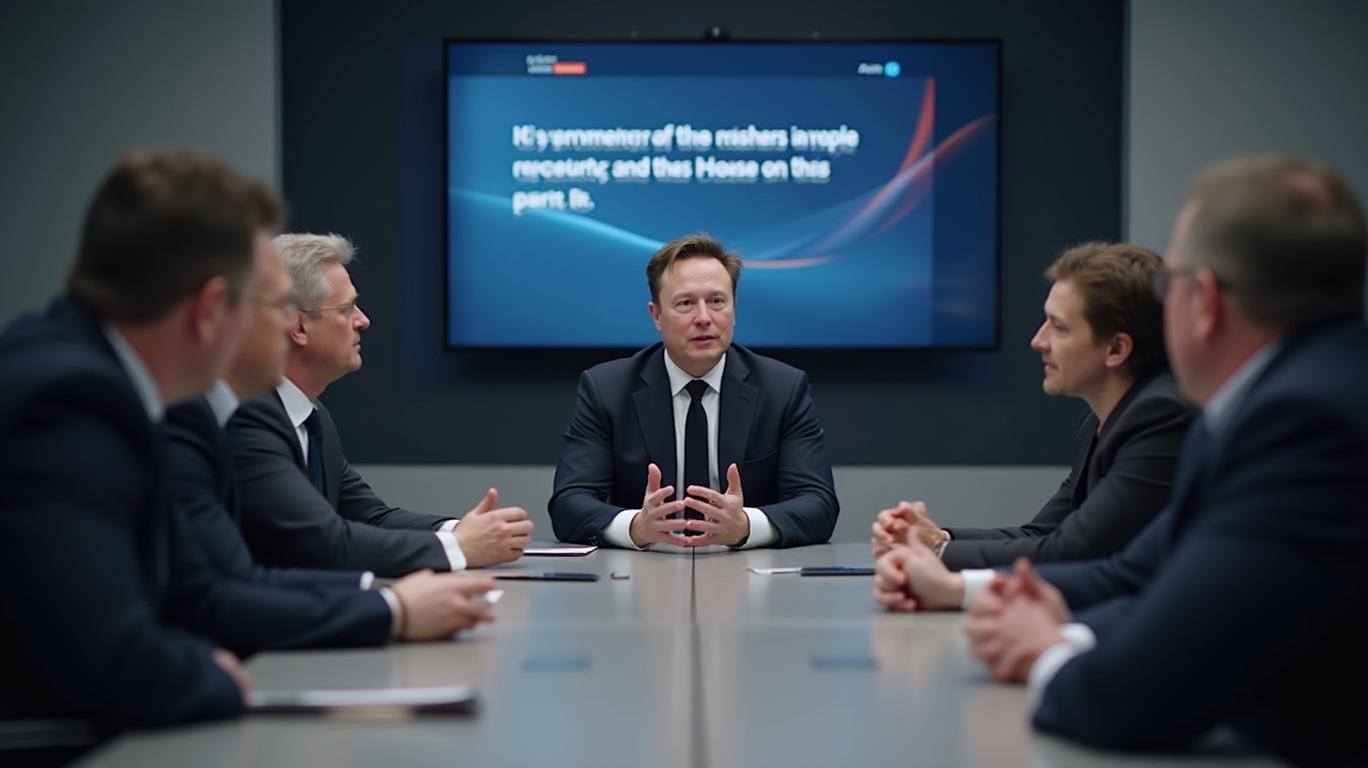
First, let's address the elephant in the room: Musk's endorsement of the AfD. The billionaire entrepreneur published a guest opinion piece in Welt am Sonntag, backing the far-right party as Germany's "last spark of hope." This move has been met with strong criticism from German politicians, with some comparing Musk to Russian President Vladimir Putin. The AfD is currently polling strongly, but its candidate for the top job, Alice Weidel, has no realistic chance of becoming chancellor because other parties refuse to work with the far-right party.
Musk's endorsement could potentially impact investor confidence in Germany's economy and markets in several ways. Firstly, the AfD's controversial stance on immigration, multiculturalism, and globalization could deter international investors from investing in Germany. If the AfD were to gain significant influence in the German government, it could lead to policies that are unfavorable to foreign investment, such as stricter immigration policies or protectionist trade measures.
Moreover, Musk's intervention in German politics could be seen as an attempt to influence the election outcome, which could lead to a backlash against foreign companies operating in Germany, including Tesla. This could potentially impact the business operations and profitability of these companies.
Lastly, the AfD's stance on climate change and environmental protection is often at odds with the policies of the European Union (EU) and many other countries. If the AfD were to gain significant influence in the German government, it could lead to policies that are unfavorable to the development and adoption of renewable energy technologies, which could impact the growth and profitability of companies like Tesla that operate in the clean energy sector.
Another significant event this week was the surge in natural gas prices, which reached their highest level since March 2022. This price increase comes amid concerns about Europe's gas supply and the potential impact of a cold winter. The surge in natural gas prices could have implications for inflation expectations and economic stability in the Eurozone, as higher energy prices can lead to increased production costs and reduced consumer spending.
In conclusion, Elon Musk's endorsement of the AfD and the surge in natural gas prices are just two of the many economic events that have shaped this week's news. As investors, it's crucial to stay informed about these developments and their potential implications for the global economy and markets. By keeping a close eye on the political landscape and the energy sector, we can make more informed investment decisions and better navigate the ever-changing economic landscape.
EYE--
TSLA--
Elon Musk's endorsement of the far-right Alternative for Germany (AfD) party has sparked controversy and raised concerns about foreign influence in German politics. As the country prepares for elections in February, Musk's intervention has drawn criticism from German politicians and the public. But how might this 'eddling' impact investor confidence in Germany's economy and markets? Let's dive into this week's economic news and explore the potential implications.
First, let's address the elephant in the room: Musk's endorsement of the AfD. The billionaire entrepreneur published a guest opinion piece in Welt am Sonntag, backing the far-right party as Germany's "last spark of hope." This move has been met with strong criticism from German politicians, with some comparing Musk to Russian President Vladimir Putin. The AfD is currently polling strongly, but its candidate for the top job, Alice Weidel, has no realistic chance of becoming chancellor because other parties refuse to work with the far-right party.
Musk's endorsement could potentially impact investor confidence in Germany's economy and markets in several ways. Firstly, the AfD's controversial stance on immigration, multiculturalism, and globalization could deter international investors from investing in Germany. If the AfD were to gain significant influence in the German government, it could lead to policies that are unfavorable to foreign investment, such as stricter immigration policies or protectionist trade measures.
Moreover, Musk's intervention in German politics could be seen as an attempt to influence the election outcome, which could lead to a backlash against foreign companies operating in Germany, including Tesla. This could potentially impact the business operations and profitability of these companies.
Lastly, the AfD's stance on climate change and environmental protection is often at odds with the policies of the European Union (EU) and many other countries. If the AfD were to gain significant influence in the German government, it could lead to policies that are unfavorable to the development and adoption of renewable energy technologies, which could impact the growth and profitability of companies like Tesla that operate in the clean energy sector.
Another significant event this week was the surge in natural gas prices, which reached their highest level since March 2022. This price increase comes amid concerns about Europe's gas supply and the potential impact of a cold winter. The surge in natural gas prices could have implications for inflation expectations and economic stability in the Eurozone, as higher energy prices can lead to increased production costs and reduced consumer spending.
In conclusion, Elon Musk's endorsement of the AfD and the surge in natural gas prices are just two of the many economic events that have shaped this week's news. As investors, it's crucial to stay informed about these developments and their potential implications for the global economy and markets. By keeping a close eye on the political landscape and the energy sector, we can make more informed investment decisions and better navigate the ever-changing economic landscape.

Divulgación editorial y transparencia de la IA: Ainvest News utiliza tecnología avanzada de Modelos de Lenguaje Largo (LLM) para sintetizar y analizar datos de mercado en tiempo real. Para garantizar los más altos estándares de integridad, cada artículo se somete a un riguroso proceso de verificación con participación humana.
Mientras la IA asiste en el procesamiento de datos y la redacción inicial, un miembro editorial profesional de Ainvest revisa, verifica y aprueba de forma independiente todo el contenido para garantizar su precisión y cumplimiento con los estándares editoriales de Ainvest Fintech Inc. Esta supervisión humana está diseñada para mitigar las alucinaciones de la IA y garantizar el contexto financiero.
Advertencia sobre inversiones: Este contenido se proporciona únicamente con fines informativos y no constituye asesoramiento profesional de inversión, legal o financiero. Los mercados conllevan riesgos inherentes. Se recomienda a los usuarios que realicen una investigación independiente o consulten a un asesor financiero certificado antes de tomar cualquier decisión. Ainvest Fintech Inc. se exime de toda responsabilidad por las acciones tomadas con base en esta información. ¿Encontró un error? Reportar un problema


SOBRE NOSOTROS
Nuestra historiaAutores de noticiasBase de conocimientosPolítica de privacidadTérmino de usoDescargo de responsabilidad de corretaje de tercerosTérminos de uso de AIMEDivulgaciones de riesgos de AInvest AICarrerasCONTÁCTENOS
Email: support@ainvest.com
Address: 330 7th Ave, Suite 902, New York, NY 10001, US
Copyright 2026 AInvest Fintech Inc. All rights reserved.


Comentarios
Aún no hay comentarios