
Elon Musk vs. OpenAI: A Jury Trial Looms
Generado por agente de IAWesley Park
martes, 4 de febrero de 2025, 6:10 pm ET2 min de lectura
MSFT--
As the legal battle between Elon Musk and OpenAI continues to unfold, U.S. District Judge Yvonne Gonzalez Rogers has hinted that the case may proceed to a jury trial. The dispute centers around OpenAI's shift to a for-profit model, which Musk argues could lead to unfair competition and antitrust concerns. In this article, we'll explore the factors leading to this development and the potential impact on the case's trajectory.
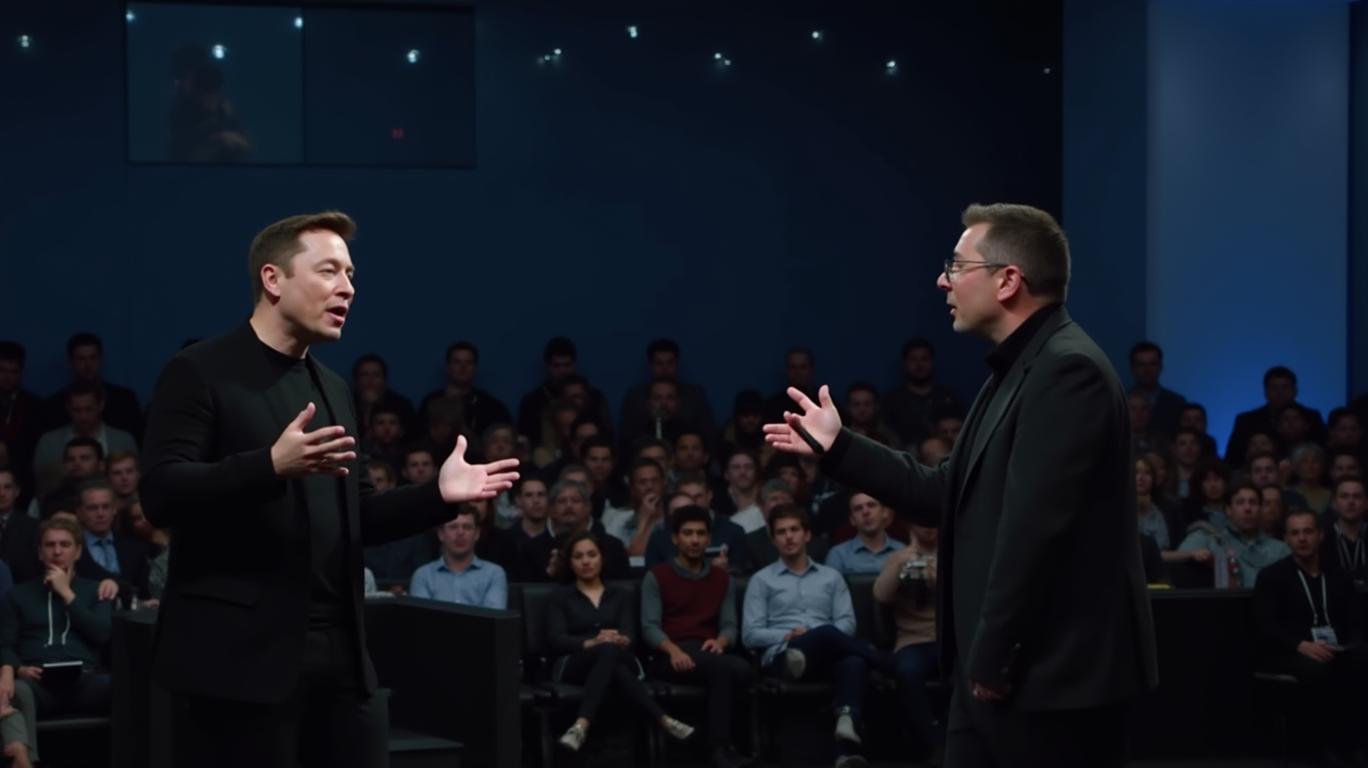
Musk's lawsuit against OpenAI alleges that the company's conversion to a for-profit entity, backed by Microsoft's resources, would give it an unfair advantage in the AI market, potentially stifling competition from other players like Musk's own AI company, xAI. Musk has also accused OpenAI's co-founder and CEO, Sam Altman, of seeking a large pay package, which he believes could be a conflict of interest and a betrayal of OpenAI's original mission to benefit the public good.
However, OpenAI has refuted these claims, arguing that Musk's requested court order would "debilitate OpenAI’s business" and mission to the advantage of Musk and his own AI company. OpenAI has also sought to demonstrate Musk's early support for the idea of making OpenAI a for-profit business so it could raise money for the hardware and computer power that AI needs.
The judge's decision to consider a jury trial suggests that she is not convinced by Musk's arguments for a preliminary injunction but is willing to let a jury decide the case based on the evidence presented. This could lead to a lengthy trial process, with both sides presenting their arguments and evidence to a jury, which will then decide the outcome of the case.
The alleged irreparable harm that Musk claims could result from OpenAI's shift to a for-profit model is a crucial factor in the case's trajectory. Musk's arguments for unfair competition and antitrust concerns are based on the potential for OpenAI and Microsoft to form a monopoly, which could lead to higher prices, reduced innovation, and less choice for consumers. However, OpenAI has refuted these claims, arguing that Musk's requested court order would harm its business and mission.
The evidence supporting or refuting these claims is primarily based on emails and messages exchanged between Musk, Altman, and other OpenAI co-founders. For instance, Musk's emails reveal his initial support for OpenAI becoming a for-profit company and his frustration with Altman's desire to be CEO. Additionally, emails from co-founders Ilya Sutskever and Greg Brockman express concerns about Musk's desire for absolute control over the company and Altman's political goals.
In conclusion, the potential jury trial in the Elon Musk vs. OpenAI case highlights the complex nature of the dispute and the need for a thorough examination of the evidence. The outcome of the case will depend on the strength of the arguments and evidence presented by both parties and the jury's interpretation of the facts. As the trial approaches, investors and stakeholders in the AI industry will be closely watching the developments, as the outcome could have significant implications for the future of AI and the tech industry as a whole.
ROG--
As the legal battle between Elon Musk and OpenAI continues to unfold, U.S. District Judge Yvonne Gonzalez Rogers has hinted that the case may proceed to a jury trial. The dispute centers around OpenAI's shift to a for-profit model, which Musk argues could lead to unfair competition and antitrust concerns. In this article, we'll explore the factors leading to this development and the potential impact on the case's trajectory.
Musk's lawsuit against OpenAI alleges that the company's conversion to a for-profit entity, backed by Microsoft's resources, would give it an unfair advantage in the AI market, potentially stifling competition from other players like Musk's own AI company, xAI. Musk has also accused OpenAI's co-founder and CEO, Sam Altman, of seeking a large pay package, which he believes could be a conflict of interest and a betrayal of OpenAI's original mission to benefit the public good.
However, OpenAI has refuted these claims, arguing that Musk's requested court order would "debilitate OpenAI’s business" and mission to the advantage of Musk and his own AI company. OpenAI has also sought to demonstrate Musk's early support for the idea of making OpenAI a for-profit business so it could raise money for the hardware and computer power that AI needs.
The judge's decision to consider a jury trial suggests that she is not convinced by Musk's arguments for a preliminary injunction but is willing to let a jury decide the case based on the evidence presented. This could lead to a lengthy trial process, with both sides presenting their arguments and evidence to a jury, which will then decide the outcome of the case.
The alleged irreparable harm that Musk claims could result from OpenAI's shift to a for-profit model is a crucial factor in the case's trajectory. Musk's arguments for unfair competition and antitrust concerns are based on the potential for OpenAI and Microsoft to form a monopoly, which could lead to higher prices, reduced innovation, and less choice for consumers. However, OpenAI has refuted these claims, arguing that Musk's requested court order would harm its business and mission.
The evidence supporting or refuting these claims is primarily based on emails and messages exchanged between Musk, Altman, and other OpenAI co-founders. For instance, Musk's emails reveal his initial support for OpenAI becoming a for-profit company and his frustration with Altman's desire to be CEO. Additionally, emails from co-founders Ilya Sutskever and Greg Brockman express concerns about Musk's desire for absolute control over the company and Altman's political goals.
In conclusion, the potential jury trial in the Elon Musk vs. OpenAI case highlights the complex nature of the dispute and the need for a thorough examination of the evidence. The outcome of the case will depend on the strength of the arguments and evidence presented by both parties and the jury's interpretation of the facts. As the trial approaches, investors and stakeholders in the AI industry will be closely watching the developments, as the outcome could have significant implications for the future of AI and the tech industry as a whole.

Divulgación editorial y transparencia de la IA: Ainvest News utiliza tecnología avanzada de Modelos de Lenguaje Largo (LLM) para sintetizar y analizar datos de mercado en tiempo real. Para garantizar los más altos estándares de integridad, cada artículo se somete a un riguroso proceso de verificación con participación humana.
Mientras la IA asiste en el procesamiento de datos y la redacción inicial, un miembro editorial profesional de Ainvest revisa, verifica y aprueba de forma independiente todo el contenido para garantizar su precisión y cumplimiento con los estándares editoriales de Ainvest Fintech Inc. Esta supervisión humana está diseñada para mitigar las alucinaciones de la IA y garantizar el contexto financiero.
Advertencia sobre inversiones: Este contenido se proporciona únicamente con fines informativos y no constituye asesoramiento profesional de inversión, legal o financiero. Los mercados conllevan riesgos inherentes. Se recomienda a los usuarios que realicen una investigación independiente o consulten a un asesor financiero certificado antes de tomar cualquier decisión. Ainvest Fintech Inc. se exime de toda responsabilidad por las acciones tomadas con base en esta información. ¿Encontró un error? Reportar un problema


SOBRE NOSOTROS
Nuestra historiaAutores de noticiasBase de conocimientosPolítica de privacidadTérmino de usoDescargo de responsabilidad de corretaje de tercerosTérminos de uso de AIMEDivulgaciones de riesgos de AInvest AICarrerasCONTÁCTENOS
Email: support@ainvest.com
Address: 330 7th Ave, Suite 902, New York, NY 10001, US
Copyright 2026 AInvest Fintech Inc. All rights reserved.


Comentarios
Aún no hay comentarios