
Elon Musk's Influence: US-China Investment Safeguards and Tesla's Future
Generado por agente de IAWesley Park
domingo, 22 de diciembre de 2024, 5:38 pm ET1 min de lectura
TSLA--
Elon Musk, the CEO of Tesla and SpaceX, has been accused of bullying Republicans to scrap US-China investment safeguards to protect Tesla's interests. This move, if successful, could have significant implications for Tesla, the broader tech industry, and national security. This article explores the potential consequences and geopolitical dynamics at play.
Elon Musk's alleged pressure on Republicans to scrap US-China investment safeguards raises concerns about the impact on Tesla's supply chain and intellectual property security. With weakened safeguards, Chinese companies may gain access to critical technologies and materials, posing a threat to Tesla's competitive advantage. Additionally, supply chain disruptions due to geopolitical tensions could impact Tesla's production and delivery timelines, affecting its financial performance.
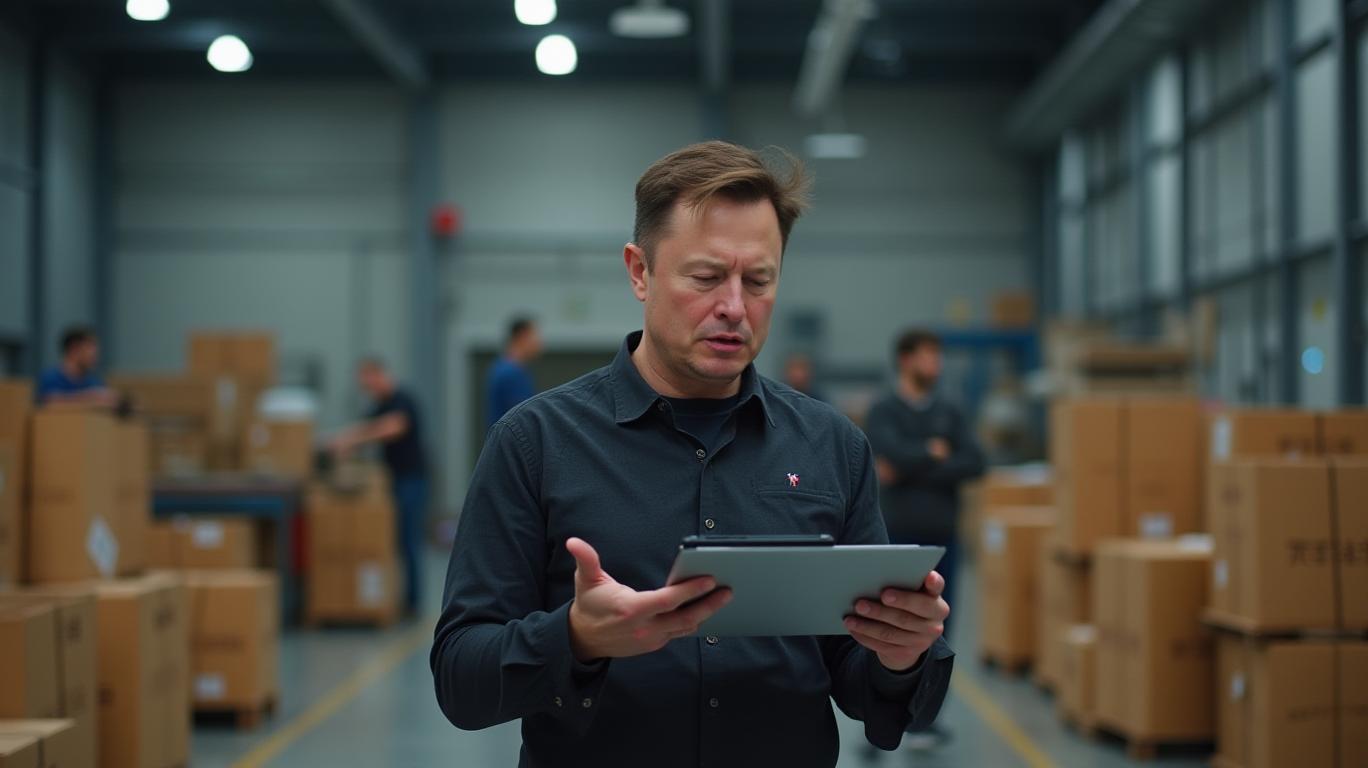
The relaxation of US-China investment safeguards could have broader implications for the tech industry. Musk's actions could influence policy decisions that favor Tesla and the electric vehicle industry, potentially leading to increased competition from Chinese companies and a greater risk of technology transfer. However, it is important to note that Musk's actions are not representative of the entire tech industry, and many tech CEOs continue to support investment safeguards to protect their companies and the broader industry.
The removal of US-China investment safeguards poses significant risks to national security and intellectual property. According to a report by the US-China Economic and Security Review Commission, Chinese investments in the US have targeted critical industries such as semiconductors, telecommunications, and aerospace, raising concerns about technology transfer and intellectual property theft. Without these safeguards, US companies like Tesla could face increased competition from state-backed Chinese companies, potentially leading to job losses and a brain drain of US talent. Moreover, the loss of intellectual property could hinder US innovation and technological advancement, further impacting national security.
The potential economic and geopolitical implications of increased Chinese investment in US industries are significant. The relaxation of investment safeguards could lead to a more level playing field for US companies like Tesla in the global market. However, this could also result in a loss of US technological advantage and intellectual property, potentially benefiting Chinese companies in the long run. Additionally, the relaxation of safeguards may lead to increased foreign investment in US companies, providing them with more capital for growth and innovation.
In conclusion, Elon Musk's alleged influence on US-China investment safeguards has the potential to impact Tesla's supply chain, intellectual property security, and the broader tech industry. While the relaxation of safeguards could benefit Tesla in the short term, the long-term consequences for national security and the competitive landscape are uncertain. As the geopolitical dynamics between the US and China continue to evolve, investors should closely monitor the situation and consider the potential implications for their portfolios.
Elon Musk, the CEO of Tesla and SpaceX, has been accused of bullying Republicans to scrap US-China investment safeguards to protect Tesla's interests. This move, if successful, could have significant implications for Tesla, the broader tech industry, and national security. This article explores the potential consequences and geopolitical dynamics at play.
Elon Musk's alleged pressure on Republicans to scrap US-China investment safeguards raises concerns about the impact on Tesla's supply chain and intellectual property security. With weakened safeguards, Chinese companies may gain access to critical technologies and materials, posing a threat to Tesla's competitive advantage. Additionally, supply chain disruptions due to geopolitical tensions could impact Tesla's production and delivery timelines, affecting its financial performance.
The relaxation of US-China investment safeguards could have broader implications for the tech industry. Musk's actions could influence policy decisions that favor Tesla and the electric vehicle industry, potentially leading to increased competition from Chinese companies and a greater risk of technology transfer. However, it is important to note that Musk's actions are not representative of the entire tech industry, and many tech CEOs continue to support investment safeguards to protect their companies and the broader industry.
The removal of US-China investment safeguards poses significant risks to national security and intellectual property. According to a report by the US-China Economic and Security Review Commission, Chinese investments in the US have targeted critical industries such as semiconductors, telecommunications, and aerospace, raising concerns about technology transfer and intellectual property theft. Without these safeguards, US companies like Tesla could face increased competition from state-backed Chinese companies, potentially leading to job losses and a brain drain of US talent. Moreover, the loss of intellectual property could hinder US innovation and technological advancement, further impacting national security.
The potential economic and geopolitical implications of increased Chinese investment in US industries are significant. The relaxation of investment safeguards could lead to a more level playing field for US companies like Tesla in the global market. However, this could also result in a loss of US technological advantage and intellectual property, potentially benefiting Chinese companies in the long run. Additionally, the relaxation of safeguards may lead to increased foreign investment in US companies, providing them with more capital for growth and innovation.
In conclusion, Elon Musk's alleged influence on US-China investment safeguards has the potential to impact Tesla's supply chain, intellectual property security, and the broader tech industry. While the relaxation of safeguards could benefit Tesla in the short term, the long-term consequences for national security and the competitive landscape are uncertain. As the geopolitical dynamics between the US and China continue to evolve, investors should closely monitor the situation and consider the potential implications for their portfolios.

Divulgación editorial y transparencia de la IA: Ainvest News utiliza tecnología avanzada de Modelos de Lenguaje Largo (LLM) para sintetizar y analizar datos de mercado en tiempo real. Para garantizar los más altos estándares de integridad, cada artículo se somete a un riguroso proceso de verificación con participación humana.
Mientras la IA asiste en el procesamiento de datos y la redacción inicial, un miembro editorial profesional de Ainvest revisa, verifica y aprueba de forma independiente todo el contenido para garantizar su precisión y cumplimiento con los estándares editoriales de Ainvest Fintech Inc. Esta supervisión humana está diseñada para mitigar las alucinaciones de la IA y garantizar el contexto financiero.
Advertencia sobre inversiones: Este contenido se proporciona únicamente con fines informativos y no constituye asesoramiento profesional de inversión, legal o financiero. Los mercados conllevan riesgos inherentes. Se recomienda a los usuarios que realicen una investigación independiente o consulten a un asesor financiero certificado antes de tomar cualquier decisión. Ainvest Fintech Inc. se exime de toda responsabilidad por las acciones tomadas con base en esta información. ¿Encontró un error? Reportar un problema


SOBRE NOSOTROS
Nuestra historiaAutores de noticiasBase de conocimientosPolítica de privacidadTérmino de usoDescargo de responsabilidad de corretaje de tercerosTérminos de uso de AIMEDivulgaciones de riesgos de AInvest AICarrerasCONTÁCTENOS
Email: support@ainvest.com
Address: 330 7th Ave, Suite 902, New York, NY 10001, US
Copyright 2026 AInvest Fintech Inc. All rights reserved.


Comentarios
Aún no hay comentarios