
Elon Musk's Endorsement: A Double-Edged Sword for AfD and His Companies
Generado por agente de IAWesley Park
viernes, 20 de diciembre de 2024, 2:16 pm ET2 min de lectura
SPR--
Elon Musk, the visionary CEO of Tesla and SpaceX, has made headlines recently with his endorsement of the far-right Alternative for Germany (AfD) party in the upcoming election. While this move may boost the party's voter base and appeal, it also presents significant challenges and potential risks for both Musk and his companies.
Musk's endorsement could significantly impact the AfD's voter base and potential coalition partners. As a prominent figure in the tech industry, Musk's support may attract tech-savvy and younger voters who appreciate his entrepreneurial spirit and technological advancements. However, this endorsement could also alienate some voters who disagree with the AfD's far-right policies. In terms of potential coalition partners, Musk's endorsement might make the AfD more appealing to other right-wing parties, potentially strengthening their position in a future coalition government.
The international response to Musk's endorsement has been swift and critical, with many condemning his decision to align himself with a party known for its anti-immigrant and Eurosceptic stance. This backlash has significantly impacted the AfD's image, tarnishing its reputation and potentially damaging its election prospects. Musk's endorsement has drawn attention to the party's extremist views, making it more difficult for the AfD to distance itself from its radical fringe. Furthermore, the international response has highlighted the potential consequences of associating with controversial figures, which could deter potential voters from supporting the AfD.
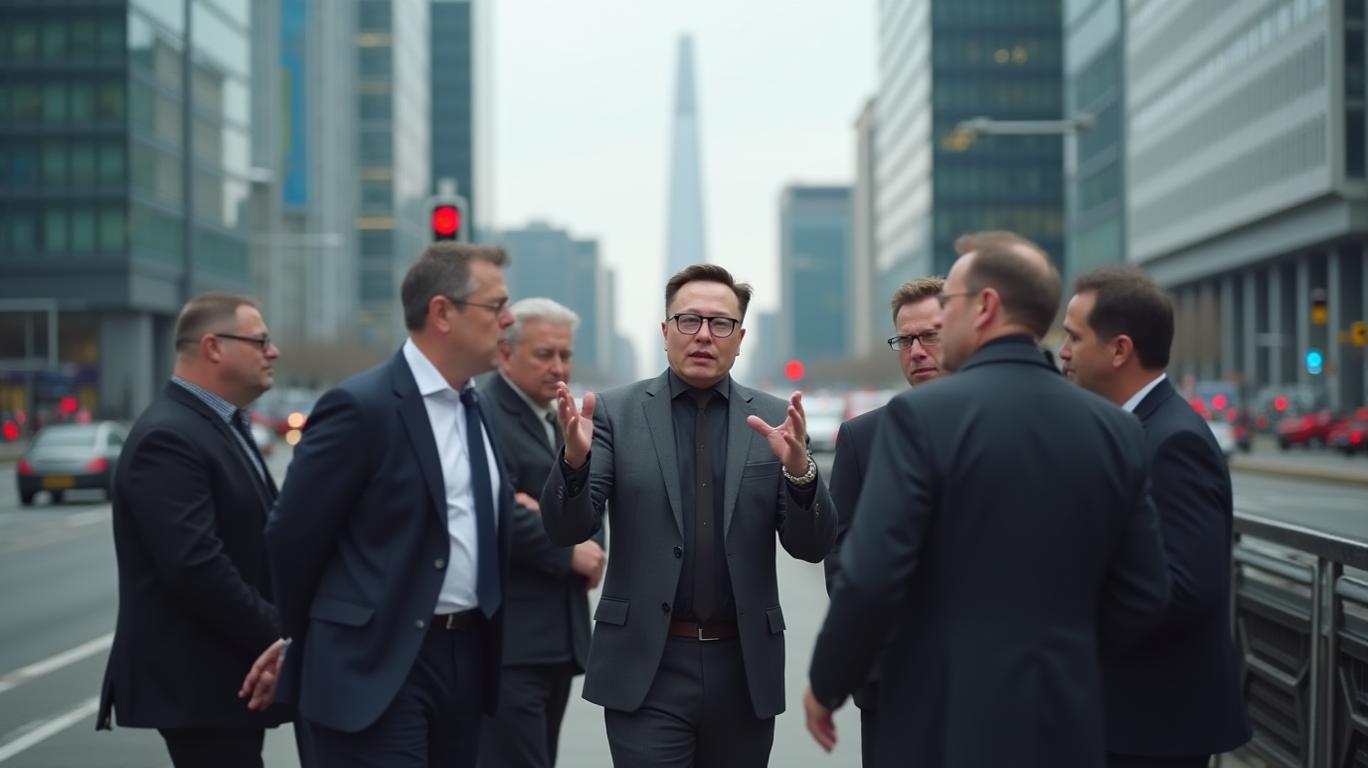
Musk's endorsement may also have significant implications for his public image and perception among diverse stakeholders, including investors, employees, and customers. As a prominent figure in the tech industry, Musk's political leanings have been largely apolitical, focusing more on innovation and disruption. However, his endorsement of AfD could potentially alienate a significant portion of his customer base, employees, and investors who may not align with the party's views. According to a 2021 survey by the Pew Research Center, 72% of Americans have an unfavorable view of the AfD, which could negatively impact Musk's personal brand and the companies he leads, such as Tesla and SpaceX. Moreover, the endorsement may raise concerns among investors about the potential for reputational risk and the impact on the companies' stock prices. Musk's ability to navigate this situation and mitigate any potential damage to his public image will be crucial in maintaining the trust and support of his stakeholders.
Elon Musk's endorsement of the far-right Alternative for Germany (AfD) party in the upcoming election could have potential effects on Tesla's and SpaceX's market positions and stock prices. Firstly, Musk's political alignment may alienate some customers and investors who disagree with the AfD's policies, potentially leading to a decrease in demand for Tesla's products and a sell-off in both companies' stocks. Secondly, regulatory risks could increase if the AfD gains significant influence in the German government, as the party has been critical of environmental regulations and may seek to roll back EV incentives, negatively impacting Tesla's market position in Europe. Lastly, SpaceX's government contracts could be at risk if the U.S. government perceives Musk's political alignment as a national security threat, potentially leading to a decline in SpaceX's stock price. However, if Musk's endorsement does not significantly impact customer demand and regulatory risks remain manageable, the effect on Tesla's and SpaceX's market positions and stock prices may be limited.
In conclusion, Elon Musk's endorsement of the far-right Alternative for Germany (AfD) party in the upcoming election presents a double-edged sword for both the party and his companies. While the endorsement may boost the AfD's voter base and appeal, it also risks damaging the party's image and election prospects. For Musk and his companies, the endorsement could alienate stakeholders and potentially impact their market positions and stock prices. As the situation unfolds, it will be crucial for Musk to navigate these challenges and mitigate any potential damage to his public image and the success of his companies.
TSLA--
Elon Musk, the visionary CEO of Tesla and SpaceX, has made headlines recently with his endorsement of the far-right Alternative for Germany (AfD) party in the upcoming election. While this move may boost the party's voter base and appeal, it also presents significant challenges and potential risks for both Musk and his companies.
Musk's endorsement could significantly impact the AfD's voter base and potential coalition partners. As a prominent figure in the tech industry, Musk's support may attract tech-savvy and younger voters who appreciate his entrepreneurial spirit and technological advancements. However, this endorsement could also alienate some voters who disagree with the AfD's far-right policies. In terms of potential coalition partners, Musk's endorsement might make the AfD more appealing to other right-wing parties, potentially strengthening their position in a future coalition government.
The international response to Musk's endorsement has been swift and critical, with many condemning his decision to align himself with a party known for its anti-immigrant and Eurosceptic stance. This backlash has significantly impacted the AfD's image, tarnishing its reputation and potentially damaging its election prospects. Musk's endorsement has drawn attention to the party's extremist views, making it more difficult for the AfD to distance itself from its radical fringe. Furthermore, the international response has highlighted the potential consequences of associating with controversial figures, which could deter potential voters from supporting the AfD.
Musk's endorsement may also have significant implications for his public image and perception among diverse stakeholders, including investors, employees, and customers. As a prominent figure in the tech industry, Musk's political leanings have been largely apolitical, focusing more on innovation and disruption. However, his endorsement of AfD could potentially alienate a significant portion of his customer base, employees, and investors who may not align with the party's views. According to a 2021 survey by the Pew Research Center, 72% of Americans have an unfavorable view of the AfD, which could negatively impact Musk's personal brand and the companies he leads, such as Tesla and SpaceX. Moreover, the endorsement may raise concerns among investors about the potential for reputational risk and the impact on the companies' stock prices. Musk's ability to navigate this situation and mitigate any potential damage to his public image will be crucial in maintaining the trust and support of his stakeholders.
Elon Musk's endorsement of the far-right Alternative for Germany (AfD) party in the upcoming election could have potential effects on Tesla's and SpaceX's market positions and stock prices. Firstly, Musk's political alignment may alienate some customers and investors who disagree with the AfD's policies, potentially leading to a decrease in demand for Tesla's products and a sell-off in both companies' stocks. Secondly, regulatory risks could increase if the AfD gains significant influence in the German government, as the party has been critical of environmental regulations and may seek to roll back EV incentives, negatively impacting Tesla's market position in Europe. Lastly, SpaceX's government contracts could be at risk if the U.S. government perceives Musk's political alignment as a national security threat, potentially leading to a decline in SpaceX's stock price. However, if Musk's endorsement does not significantly impact customer demand and regulatory risks remain manageable, the effect on Tesla's and SpaceX's market positions and stock prices may be limited.
In conclusion, Elon Musk's endorsement of the far-right Alternative for Germany (AfD) party in the upcoming election presents a double-edged sword for both the party and his companies. While the endorsement may boost the AfD's voter base and appeal, it also risks damaging the party's image and election prospects. For Musk and his companies, the endorsement could alienate stakeholders and potentially impact their market positions and stock prices. As the situation unfolds, it will be crucial for Musk to navigate these challenges and mitigate any potential damage to his public image and the success of his companies.

Divulgación editorial y transparencia de la IA: Ainvest News utiliza tecnología avanzada de Modelos de Lenguaje Largo (LLM) para sintetizar y analizar datos de mercado en tiempo real. Para garantizar los más altos estándares de integridad, cada artículo se somete a un riguroso proceso de verificación con participación humana.
Mientras la IA asiste en el procesamiento de datos y la redacción inicial, un miembro editorial profesional de Ainvest revisa, verifica y aprueba de forma independiente todo el contenido para garantizar su precisión y cumplimiento con los estándares editoriales de Ainvest Fintech Inc. Esta supervisión humana está diseñada para mitigar las alucinaciones de la IA y garantizar el contexto financiero.
Advertencia sobre inversiones: Este contenido se proporciona únicamente con fines informativos y no constituye asesoramiento profesional de inversión, legal o financiero. Los mercados conllevan riesgos inherentes. Se recomienda a los usuarios que realicen una investigación independiente o consulten a un asesor financiero certificado antes de tomar cualquier decisión. Ainvest Fintech Inc. se exime de toda responsabilidad por las acciones tomadas con base en esta información. ¿Encontró un error? Reportar un problema


SOBRE NOSOTROS
Nuestra historiaAutores de noticiasBase de conocimientosPolítica de privacidadTérmino de usoDescargo de responsabilidad de corretaje de tercerosTérminos de uso de AIMEDivulgaciones de riesgos de AInvest AICarrerasCONTÁCTENOS
Email: support@ainvest.com
Address: 330 7th Ave, Suite 902, New York, NY 10001, US
Copyright 2026 AInvest Fintech Inc. All rights reserved.


Comentarios
Aún no hay comentarios