
Elon Musk's Bold Bet: Tesla's Lidar-Free Future
Generado por agente de IAWesley Park
viernes, 28 de marzo de 2025, 12:28 am ET2 min de lectura
TSLA--
Ladies and Gentlemen, buckle up! We're diving headfirst into the wild world of autonomous driving, where Elon Musk is making waves with his latest stance on LiDAR technology. You heard it right! The man who brought us electric cars and space rockets is now saying that TeslaTSLA-- doesn't need LiDAR because, well, "people don't shoot lasers out of their eyes." Let's break this down and see what it means for Tesla and the future of autonomous driving.
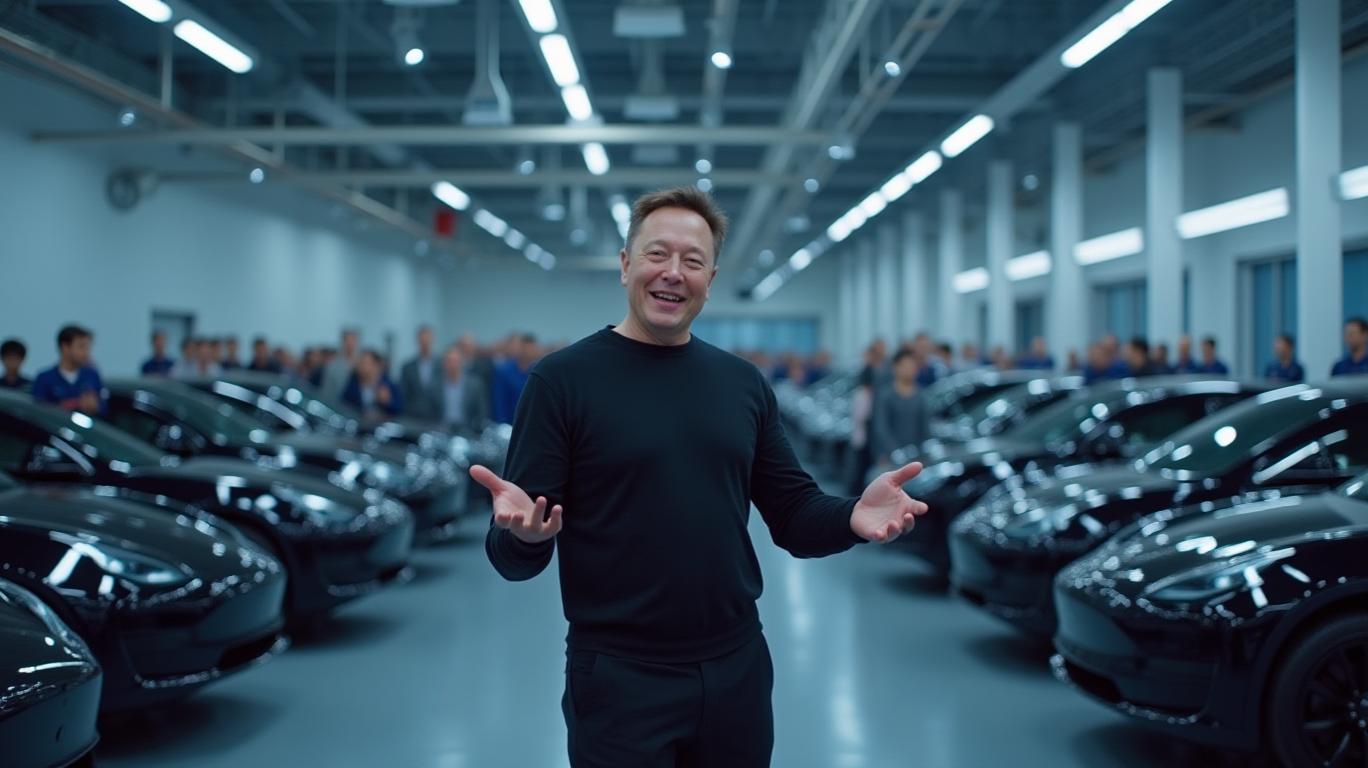
First things first, let's talk about what LiDAR is and why it's such a big deal. LiDAR, or Light Detection and Ranging, is a technology that uses lasers to create a 3D map of the environment. It's like giving your car superpowers, allowing it to see and navigate the world with pinpoint accuracy. But here's the kicker: Elon Musk thinks it's a crutch. He believes that relying on LiDAR is like using training wheels on a bike—it might help you get started, but it's not the way to go if you want to ride like a pro.
Musk's argument is that humans don't use lasers to drive, so why should cars? He's betting big on a camera-based vision system, claiming that cameras and AI can replicate the human visual cortex's ability to interpret scenes quickly. But is this a bold vision or a risky gamble? Let's look at the facts.
Tesla's Autopilot system, which relies on cameras, some radar, and GPS, has shown promise but has also suffered setbacks. In 2016, a fatal accident involving Autopilot raised serious questions about the system's reliability. More recently, a Tesla smashed into a firetruck in Culver City, California, with the driver claiming the car was on autopilot. Ouch! These incidents highlight the potential risks of relying solely on cameras for autonomous driving.
But here's where it gets interesting. Despite Musk's criticisms, Tesla has become one of the biggest customers of Luminar, a major LiDAR manufacturer. The Luminar earnings report released in May showed that Tesla contributed over 10% of the company’s first quarter 2024 revenues, totaling more than USD2 million. This could indicate that the tide is turning in LiDAR's favor. The global market for automotive LiDAR is projected to reach USD9.5 billion by 2034, with a CAGR of 19.5%. Chinese manufacturers are leading the charge, with around 128 models expected to be released in 2023. The cost of LiDAR is also coming down, making it more accessible for companies like Tesla.
So, what does this mean for Tesla's market position and competitive advantage? The integration of LiDAR technology into Tesla's vehicles could significantly enhance the company's safety and reliability, giving it a competitive edge in the autonomous driving sector. It could also address criticisms from competitors and industry experts who argue that relying solely on cameras is insufficient for achieving Level 5 autonomous driving.
But here's the million-dollar question: Will Tesla's bold bet pay off? Only time will tell. One thing is for sure: Elon Musk is never one to play it safe. He's a disruptor, a visionary, and a risk-taker. And whether you love him or hate him, you can't deny that he's shaking up the industry in a big way.
So, what should you do? Stay tuned, folks! The future of autonomous driving is unfolding before our eyes, and Tesla is at the forefront of this revolution. Whether you're a believer in Musk's vision or a skeptic, one thing is clear: the race to full autonomy is on, and it's going to be one heck of a ride.
Ladies and Gentlemen, buckle up! We're diving headfirst into the wild world of autonomous driving, where Elon Musk is making waves with his latest stance on LiDAR technology. You heard it right! The man who brought us electric cars and space rockets is now saying that TeslaTSLA-- doesn't need LiDAR because, well, "people don't shoot lasers out of their eyes." Let's break this down and see what it means for Tesla and the future of autonomous driving.
First things first, let's talk about what LiDAR is and why it's such a big deal. LiDAR, or Light Detection and Ranging, is a technology that uses lasers to create a 3D map of the environment. It's like giving your car superpowers, allowing it to see and navigate the world with pinpoint accuracy. But here's the kicker: Elon Musk thinks it's a crutch. He believes that relying on LiDAR is like using training wheels on a bike—it might help you get started, but it's not the way to go if you want to ride like a pro.
Musk's argument is that humans don't use lasers to drive, so why should cars? He's betting big on a camera-based vision system, claiming that cameras and AI can replicate the human visual cortex's ability to interpret scenes quickly. But is this a bold vision or a risky gamble? Let's look at the facts.
Tesla's Autopilot system, which relies on cameras, some radar, and GPS, has shown promise but has also suffered setbacks. In 2016, a fatal accident involving Autopilot raised serious questions about the system's reliability. More recently, a Tesla smashed into a firetruck in Culver City, California, with the driver claiming the car was on autopilot. Ouch! These incidents highlight the potential risks of relying solely on cameras for autonomous driving.
But here's where it gets interesting. Despite Musk's criticisms, Tesla has become one of the biggest customers of Luminar, a major LiDAR manufacturer. The Luminar earnings report released in May showed that Tesla contributed over 10% of the company’s first quarter 2024 revenues, totaling more than USD2 million. This could indicate that the tide is turning in LiDAR's favor. The global market for automotive LiDAR is projected to reach USD9.5 billion by 2034, with a CAGR of 19.5%. Chinese manufacturers are leading the charge, with around 128 models expected to be released in 2023. The cost of LiDAR is also coming down, making it more accessible for companies like Tesla.
So, what does this mean for Tesla's market position and competitive advantage? The integration of LiDAR technology into Tesla's vehicles could significantly enhance the company's safety and reliability, giving it a competitive edge in the autonomous driving sector. It could also address criticisms from competitors and industry experts who argue that relying solely on cameras is insufficient for achieving Level 5 autonomous driving.
But here's the million-dollar question: Will Tesla's bold bet pay off? Only time will tell. One thing is for sure: Elon Musk is never one to play it safe. He's a disruptor, a visionary, and a risk-taker. And whether you love him or hate him, you can't deny that he's shaking up the industry in a big way.
So, what should you do? Stay tuned, folks! The future of autonomous driving is unfolding before our eyes, and Tesla is at the forefront of this revolution. Whether you're a believer in Musk's vision or a skeptic, one thing is clear: the race to full autonomy is on, and it's going to be one heck of a ride.



Divulgación editorial y transparencia de la IA: Ainvest News utiliza tecnología avanzada de Modelos de Lenguaje Largo (LLM) para sintetizar y analizar datos de mercado en tiempo real. Para garantizar los más altos estándares de integridad, cada artículo se somete a un riguroso proceso de verificación con participación humana.
Mientras la IA asiste en el procesamiento de datos y la redacción inicial, un miembro editorial profesional de Ainvest revisa, verifica y aprueba de forma independiente todo el contenido para garantizar su precisión y cumplimiento con los estándares editoriales de Ainvest Fintech Inc. Esta supervisión humana está diseñada para mitigar las alucinaciones de la IA y garantizar el contexto financiero.
Advertencia sobre inversiones: Este contenido se proporciona únicamente con fines informativos y no constituye asesoramiento profesional de inversión, legal o financiero. Los mercados conllevan riesgos inherentes. Se recomienda a los usuarios que realicen una investigación independiente o consulten a un asesor financiero certificado antes de tomar cualquier decisión. Ainvest Fintech Inc. se exime de toda responsabilidad por las acciones tomadas con base en esta información. ¿Encontró un error? Reportar un problema


SOBRE NOSOTROS
Nuestra historiaAutores de noticiasBase de conocimientosPolítica de privacidadTérmino de usoDescargo de responsabilidad de corretaje de tercerosTérminos de uso de AIMEDivulgaciones de riesgos de AInvest AICarrerasCONTÁCTENOS
Email: support@ainvest.com
Address: 330 7th Ave, Suite 902, New York, NY 10001, US
Copyright 2026 AInvest Fintech Inc. All rights reserved.


Comentarios
Aún no hay comentarios