
Elon Musk's Far-Right Allyship: A Risky Bet for Tesla?
Generado por agente de IAWesley Park
lunes, 27 de enero de 2025, 3:18 am ET2 min de lectura
TSLA--
Elon Musk, the enigmatic CEO of Tesla and SpaceX, has once again found himself in the spotlight, this time for appearing on video at a campaign event for the far-right Alternative for Germany (AfD) party. As Musk continues to make headlines with his controversial political views and endorsements, investors and observers are left wondering: what does this mean for Tesla's future, and should they be concerned about the potential risks?
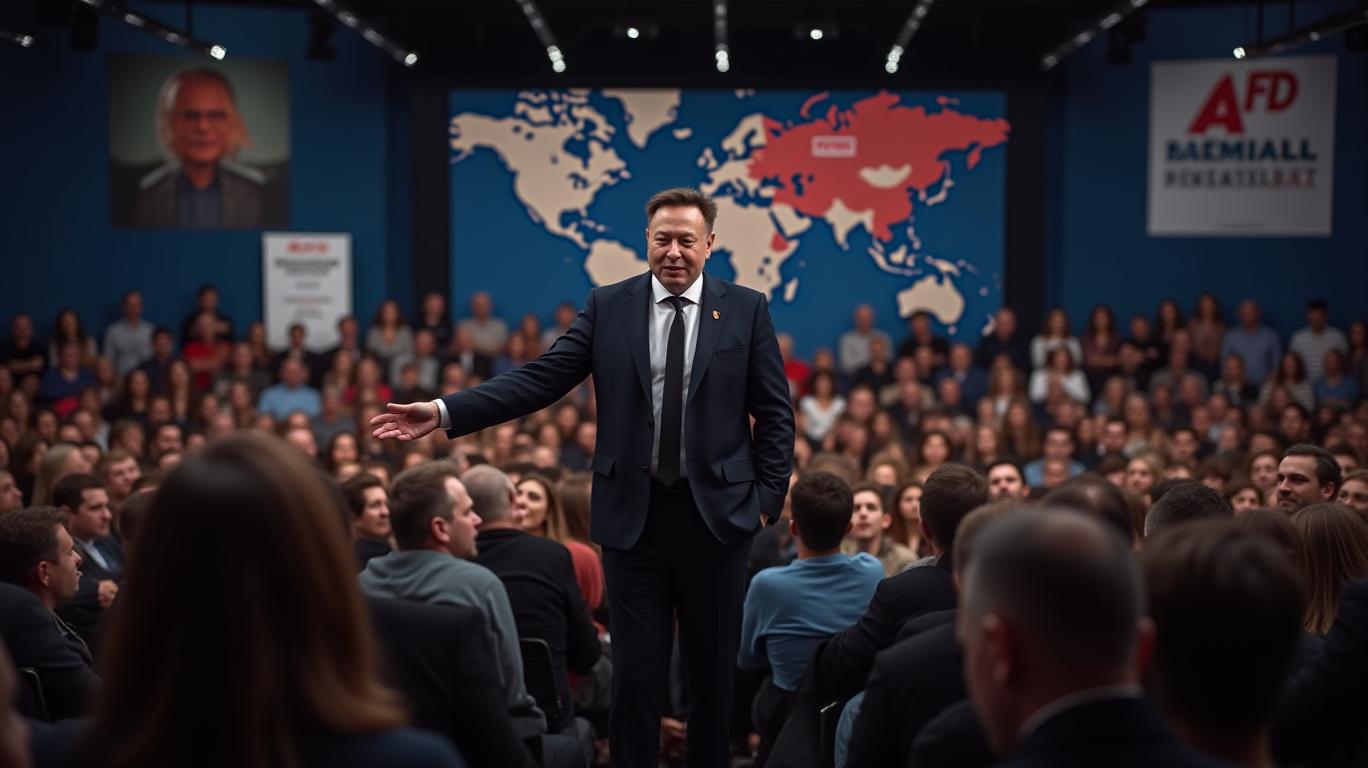
Musk's political alignment has been a topic of debate for some time now, with the billionaire CEO often expressing his views on social media and in interviews. While he has previously identified as a political moderate, his recent endorsement of the AfD party has raised eyebrows and sparked criticism from both sides of the political spectrum. The AfD, which is known for its anti-immigration and eurosceptic stance, has been labeled as an "extremist organization" by some, with many of its members promoting neo-Nazi ideology.
So, what does Musk's endorsement of the AfD mean for Tesla and its investors? While it's difficult to quantify the exact impact, there are several potential risks and consequences to consider:
1. Reputation and Brand Image: Musk's endorsement of the AfD could tarnish Tesla's brand image and reputation, particularly in Germany, where the company has a significant presence. The AfD's extremist views and controversial policies may alienate potential customers and harm Tesla's standing in the eyes of the public.
2. Sales and Market Share: If the backlash against Musk's endorsement is significant, it could lead to a decrease in sales and market share for Tesla in Germany and other European countries. Some customers may choose to boycott Tesla products in protest, as we have seen with other companies that have faced similar controversies.
3. Regulatory Challenges: Musk's political alignment could lead to increased scrutiny and regulatory challenges for Tesla. If the German government or other European authorities perceive Tesla as being aligned with extremist views, they may impose stricter regulations or create obstacles for the company's operations.
4. Employee Morale and Diversity: Tesla's employees, particularly those in Germany, may feel uncomfortable or demoralized by Musk's endorsement of the AfD. This could lead to lower employee satisfaction, higher turnover rates, and a less diverse and inclusive work environment.
5. Investor Confidence: Musk's political stance could erode investor confidence in Tesla, potentially leading to a decrease in stock prices and investment opportunities. If investors perceive Tesla as being too closely associated with controversial political figures or ideologies, they may choose to divest their holdings.
In conclusion, Elon Musk's endorsement of the far-right AfD party presents several potential risks and challenges for Tesla and its investors. While it's difficult to quantify the exact impact, investors should be aware of the potential consequences and monitor the situation closely. As the political landscape continues to evolve, so too will the risks and opportunities for Tesla and its competitors.
Elon Musk, the enigmatic CEO of Tesla and SpaceX, has once again found himself in the spotlight, this time for appearing on video at a campaign event for the far-right Alternative for Germany (AfD) party. As Musk continues to make headlines with his controversial political views and endorsements, investors and observers are left wondering: what does this mean for Tesla's future, and should they be concerned about the potential risks?
Musk's political alignment has been a topic of debate for some time now, with the billionaire CEO often expressing his views on social media and in interviews. While he has previously identified as a political moderate, his recent endorsement of the AfD party has raised eyebrows and sparked criticism from both sides of the political spectrum. The AfD, which is known for its anti-immigration and eurosceptic stance, has been labeled as an "extremist organization" by some, with many of its members promoting neo-Nazi ideology.
So, what does Musk's endorsement of the AfD mean for Tesla and its investors? While it's difficult to quantify the exact impact, there are several potential risks and consequences to consider:
1. Reputation and Brand Image: Musk's endorsement of the AfD could tarnish Tesla's brand image and reputation, particularly in Germany, where the company has a significant presence. The AfD's extremist views and controversial policies may alienate potential customers and harm Tesla's standing in the eyes of the public.
2. Sales and Market Share: If the backlash against Musk's endorsement is significant, it could lead to a decrease in sales and market share for Tesla in Germany and other European countries. Some customers may choose to boycott Tesla products in protest, as we have seen with other companies that have faced similar controversies.
3. Regulatory Challenges: Musk's political alignment could lead to increased scrutiny and regulatory challenges for Tesla. If the German government or other European authorities perceive Tesla as being aligned with extremist views, they may impose stricter regulations or create obstacles for the company's operations.
4. Employee Morale and Diversity: Tesla's employees, particularly those in Germany, may feel uncomfortable or demoralized by Musk's endorsement of the AfD. This could lead to lower employee satisfaction, higher turnover rates, and a less diverse and inclusive work environment.
5. Investor Confidence: Musk's political stance could erode investor confidence in Tesla, potentially leading to a decrease in stock prices and investment opportunities. If investors perceive Tesla as being too closely associated with controversial political figures or ideologies, they may choose to divest their holdings.
In conclusion, Elon Musk's endorsement of the far-right AfD party presents several potential risks and challenges for Tesla and its investors. While it's difficult to quantify the exact impact, investors should be aware of the potential consequences and monitor the situation closely. As the political landscape continues to evolve, so too will the risks and opportunities for Tesla and its competitors.

Divulgación editorial y transparencia de la IA: Ainvest News utiliza tecnología avanzada de Modelos de Lenguaje Largo (LLM) para sintetizar y analizar datos de mercado en tiempo real. Para garantizar los más altos estándares de integridad, cada artículo se somete a un riguroso proceso de verificación con participación humana.
Mientras la IA asiste en el procesamiento de datos y la redacción inicial, un miembro editorial profesional de Ainvest revisa, verifica y aprueba de forma independiente todo el contenido para garantizar su precisión y cumplimiento con los estándares editoriales de Ainvest Fintech Inc. Esta supervisión humana está diseñada para mitigar las alucinaciones de la IA y garantizar el contexto financiero.
Advertencia sobre inversiones: Este contenido se proporciona únicamente con fines informativos y no constituye asesoramiento profesional de inversión, legal o financiero. Los mercados conllevan riesgos inherentes. Se recomienda a los usuarios que realicen una investigación independiente o consulten a un asesor financiero certificado antes de tomar cualquier decisión. Ainvest Fintech Inc. se exime de toda responsabilidad por las acciones tomadas con base en esta información. ¿Encontró un error? Reportar un problema


SOBRE NOSOTROS
Nuestra historiaAutores de noticiasBase de conocimientosPolítica de privacidadTérmino de usoDescargo de responsabilidad de corretaje de tercerosTérminos de uso de AIMEDivulgaciones de riesgos de AInvest AICarrerasCONTÁCTENOS
Email: support@ainvest.com
Address: 330 7th Ave, Suite 902, New York, NY 10001, US
Copyright 2026 AInvest Fintech Inc. All rights reserved.


Comentarios
Aún no hay comentarios