
Elon Musk's $2 Trillion Challenge: Reinventing Government Spending with Silicon Valley Powerhouses
Generado por agente de IAWesley Park
viernes, 31 de enero de 2025, 9:40 am ET2 min de lectura
JOE--
In a bold move to reshape the U.S. federal budget, Elon Musk and his team have set an ambitious goal: cut $2 trillion in spending by 2026. With the help of Silicon Valley powerhouses, Musk aims to leverage technology and innovative thinking to tackle the complexities of the federal bureaucracy. But can this tech-first approach succeed where others have failed?
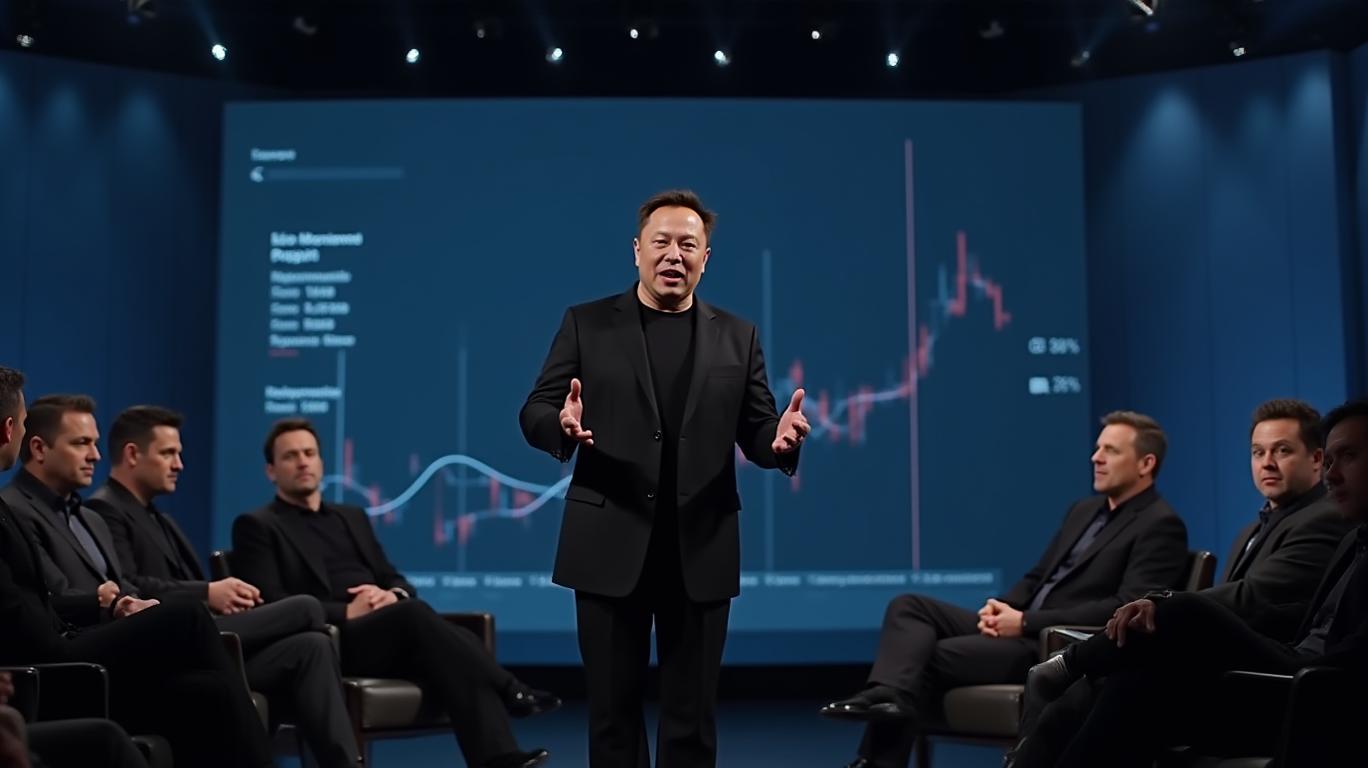
Musk's Department of Government Efficiency (DOGE) is a team of tech leaders and innovators tasked with identifying waste and inefficiencies in government spending. The group includes big names like Marc Andreessen, Joe Lonsdale, Antonio Gracias, Steve Davis, and Travis Kalanick, all of whom have a proven track record in the tech industry. Together, they aim to bring a fresh perspective to the federal budget, with the ultimate goal of reducing spending by $2 trillion.
To achieve this ambitious target, Musk and his team have proposed several strategies:
1. Eliminating unauthorized spending: The DOGE team plans to target the $500 billion in annual federal expenditures that are unauthorized by Congress or being used in ways that Congress never intended. This includes programs like the Corporation for Public Broadcasting, international organizations, and Planned Parenthood, which receive $535 million, $1.5 billion, and almost $300 million per year, respectively.
2. Automating processes with AI: The team aims to use artificial intelligence to automate processes and eliminate redundancies in government operations. This could lead to significant cost savings, although the exact amount is not specified.
3. Reviewing federal contracts: Musk and his team plan to review federal contracts to eliminate wasteful spending. This could involve renegotiating contracts, terminating unnecessary ones, or finding more cost-effective alternatives.
4. Reducing the federal workforce: The team has proposed mass head-count reductions across the federal bureaucracy, potentially leading to voluntary terminations and early retirements. They also plan to require federal workers to be in the office five days a week, which could result in a wave of voluntary terminations.
5. Relocating federal agencies: Musk and his team have suggested relocating federal agencies out of the Washington area, which could potentially lead to cost savings and a reduction in the federal workforce.
While these strategies show promise, it's essential to recognize the challenges and limitations of applying a tech-first mindset to the federal bureaucracy. Critics have raised concerns about the politicization of the effort, the lack of government experience among the tech leaders involved, and the potential for unintended consequences. Additionally, the federal budget is tied to laws, policies, and public programs that people depend on, making it difficult to trim without consequences.

To mitigate these risks and unintended consequences, Musk and his team must prioritize cuts in areas with lower social and economic impact, engage with stakeholders, and maintain a balanced approach. By doing so, they can ensure that the cuts are targeted, fair, and effective.
In conclusion, Elon Musk's ambitious push to reinvent government spending with Silicon Valley powerhouses is an exciting and innovative approach to tackling the federal budget deficit. While the challenges and limitations of a tech-first mindset must be acknowledged, the potential benefits of this approach are significant. With careful planning, engagement with stakeholders, and a balanced approach, Musk and his team can make a real difference in reshaping the U.S. federal budget.
MASS--
In a bold move to reshape the U.S. federal budget, Elon Musk and his team have set an ambitious goal: cut $2 trillion in spending by 2026. With the help of Silicon Valley powerhouses, Musk aims to leverage technology and innovative thinking to tackle the complexities of the federal bureaucracy. But can this tech-first approach succeed where others have failed?
Musk's Department of Government Efficiency (DOGE) is a team of tech leaders and innovators tasked with identifying waste and inefficiencies in government spending. The group includes big names like Marc Andreessen, Joe Lonsdale, Antonio Gracias, Steve Davis, and Travis Kalanick, all of whom have a proven track record in the tech industry. Together, they aim to bring a fresh perspective to the federal budget, with the ultimate goal of reducing spending by $2 trillion.
To achieve this ambitious target, Musk and his team have proposed several strategies:
1. Eliminating unauthorized spending: The DOGE team plans to target the $500 billion in annual federal expenditures that are unauthorized by Congress or being used in ways that Congress never intended. This includes programs like the Corporation for Public Broadcasting, international organizations, and Planned Parenthood, which receive $535 million, $1.5 billion, and almost $300 million per year, respectively.
2. Automating processes with AI: The team aims to use artificial intelligence to automate processes and eliminate redundancies in government operations. This could lead to significant cost savings, although the exact amount is not specified.
3. Reviewing federal contracts: Musk and his team plan to review federal contracts to eliminate wasteful spending. This could involve renegotiating contracts, terminating unnecessary ones, or finding more cost-effective alternatives.
4. Reducing the federal workforce: The team has proposed mass head-count reductions across the federal bureaucracy, potentially leading to voluntary terminations and early retirements. They also plan to require federal workers to be in the office five days a week, which could result in a wave of voluntary terminations.
5. Relocating federal agencies: Musk and his team have suggested relocating federal agencies out of the Washington area, which could potentially lead to cost savings and a reduction in the federal workforce.
While these strategies show promise, it's essential to recognize the challenges and limitations of applying a tech-first mindset to the federal bureaucracy. Critics have raised concerns about the politicization of the effort, the lack of government experience among the tech leaders involved, and the potential for unintended consequences. Additionally, the federal budget is tied to laws, policies, and public programs that people depend on, making it difficult to trim without consequences.
To mitigate these risks and unintended consequences, Musk and his team must prioritize cuts in areas with lower social and economic impact, engage with stakeholders, and maintain a balanced approach. By doing so, they can ensure that the cuts are targeted, fair, and effective.
In conclusion, Elon Musk's ambitious push to reinvent government spending with Silicon Valley powerhouses is an exciting and innovative approach to tackling the federal budget deficit. While the challenges and limitations of a tech-first mindset must be acknowledged, the potential benefits of this approach are significant. With careful planning, engagement with stakeholders, and a balanced approach, Musk and his team can make a real difference in reshaping the U.S. federal budget.

Divulgación editorial y transparencia de la IA: Ainvest News utiliza tecnología avanzada de Modelos de Lenguaje Largo (LLM) para sintetizar y analizar datos de mercado en tiempo real. Para garantizar los más altos estándares de integridad, cada artículo se somete a un riguroso proceso de verificación con participación humana.
Mientras la IA asiste en el procesamiento de datos y la redacción inicial, un miembro editorial profesional de Ainvest revisa, verifica y aprueba de forma independiente todo el contenido para garantizar su precisión y cumplimiento con los estándares editoriales de Ainvest Fintech Inc. Esta supervisión humana está diseñada para mitigar las alucinaciones de la IA y garantizar el contexto financiero.
Advertencia sobre inversiones: Este contenido se proporciona únicamente con fines informativos y no constituye asesoramiento profesional de inversión, legal o financiero. Los mercados conllevan riesgos inherentes. Se recomienda a los usuarios que realicen una investigación independiente o consulten a un asesor financiero certificado antes de tomar cualquier decisión. Ainvest Fintech Inc. se exime de toda responsabilidad por las acciones tomadas con base en esta información. ¿Encontró un error? Reportar un problema


SOBRE NOSOTROS
Nuestra historiaAutores de noticiasBase de conocimientosPolítica de privacidadTérmino de usoDescargo de responsabilidad de corretaje de tercerosTérminos de uso de AIMEDivulgaciones de riesgos de AInvest AICarrerasCONTÁCTENOS
Email: support@ainvest.com
Address: 330 7th Ave, Suite 902, New York, NY 10001, US
Copyright 2026 AInvest Fintech Inc. All rights reserved.


Comentarios
Aún no hay comentarios