
Eliquis Goes Free for Medicaid in 2026 — How This Shift Could Reshape BMS' Market Position
A Major Shift in Drug Access and Pricing
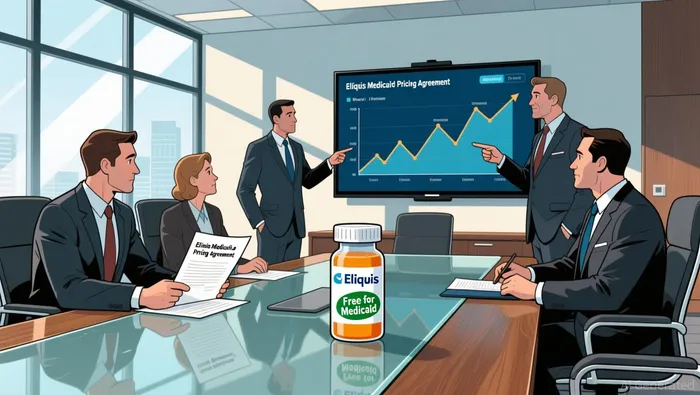
Bristol Myers Squibb is making a bold move by offering Eliquis for free to Medicaid beneficiaries starting in early 2026. This follows a broader agreement that also includes donating a significant amount of active pharmaceutical ingredients to the U.S. Strategic Active Ingredient Reserve, offering up to 80% discounts for cash-paying patients, and committing to increased domestic production. In addition, the company will receive tariff relief for three years as part of the deal.
For many retail investors, these developments highlight the growing pressure on pharmaceutical companies to reduce prices and improve access. Eliquis, a widely prescribed anticoagulant, has long been a key revenue driver for BMS. Now, the company is voluntarily ceding that revenue stream to Medicaid patients, in exchange for potential long-term benefits such as tariff relief and production incentives.
What This Means for Eliquis and BMS' Strategy
The decision to make Eliquis free for Medicaid is not without precedent, but it’s a significant step for BMS. Given the drug’s strong position in the anticoagulant market, this agreement signals a willingness to adjust to new political and economic realities, particularly with TrumpRX and other initiatives aimed at lowering drug costs. By securing this deal, BMS is positioning itself as a cooperative partner in the government’s push for lower healthcare costs.
Still, the move carries risks. Making one of its most important drugs free for a large segment of the population could put pressure on BMS' revenue and profit margins. Meanwhile, the company must also manage the broader implications of these pricing strategies, especially in a market where generic and biosimilar competition is on the rise.
Implications for Investors and the Market
For investors, the BMS-Eliquis deal underscores the shifting dynamics of the drug pricing landscape. With more aggressive pricing controls on the table, companies are likely to explore creative arrangements to maintain access to their products while complying with regulatory and political expectations.
At the same time, the agreement includes provisions that could help BMS offset some of the financial impact. The three-year tariff relief and domestic production commitments are examples of how the government is trying to balance affordability with incentives for domestic manufacturing. For now, it remains to be seen whether these benefits will outweigh the revenue lost from making Eliquis free for Medicaid.
Another critical factor is the potential impact on the broader anticoagulant market. With Eliquis now available for free via Medicaid, the drug could maintain its market share while facing fewer barriers to adoption. However, this could also create pressure on other anticoagulant manufacturers to follow suit or offer similar pricing terms.
Looking Ahead: A Model for the Future?
The BMS-Eliquis agreement could serve as a model for future negotiations between the government and pharmaceutical companies. If successful, similar deals could become more common, especially for high-cost, high-impact drugs. That would mean more frequent trade-offs between access and revenue for big pharma players.
For now, the focus is on how BMS navigates this transition. The company must balance short-term revenue pressures with long-term market positioning while managing stakeholder expectations. The coming months will be crucial in assessing whether this new model can be both sustainable and scalable.
In the broader context, the agreement highlights the increasing importance of drug pricing negotiations and the role that government and policy play in shaping the pharmaceutical landscape. As investors watch closely, the key question remains: how will other major pharmaceutical companies adapt to this new paradigm — and how will it affect the bottom line?







Comentarios
Aún no hay comentarios