
Eli Lilly's Pediatric Expansion: A Strategic Move to Cement Long-Term Dominance in the GLP-1 Receptor Agonist Market
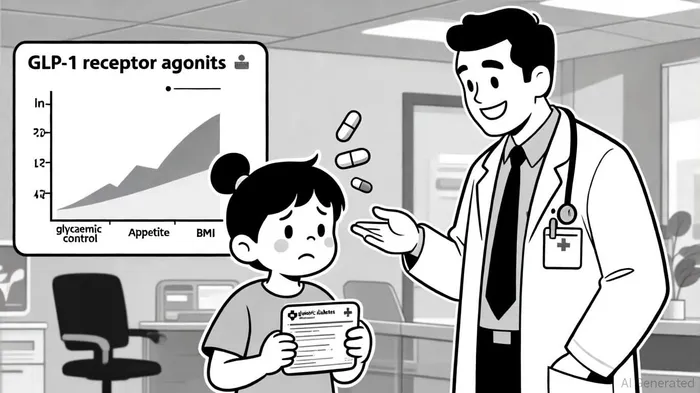
The global GLP-1 receptor agonist market is on a trajectory of explosive growth, driven by the escalating prevalence of type 2 diabetes and obesity, particularly in younger populations. As of 2025, the market size is estimated at USD 62.83 billion, with projections to surge to USD 186.64 billion by 2032 at a compound annual growth rate (CAGR) of 16.8%[1]. Within this expanding landscape, Eli LillyLLY-- has positioned itself as a pivotal player through its aggressive expansion into pediatric diabetes treatment, leveraging its flagship drugs Ozempic (semaglutide) and Mounjaro (tirzepatide). This strategic pivot not only addresses an underserved demographic but also strengthens Lilly's dominance in a class projected to dominate the diabetes and obesity therapeutics market for decades.
Market Dynamics and Pediatric Opportunity
The GLP-1 receptor agonist class has emerged as a cornerstone in managing metabolic disorders, with its efficacy in glycemic control and weight reduction well established in adults. However, the pediatric segment remains a frontier with untapped potential. According to a report by Fortune Business Insights, North America holds a 55.51% market share in 2024, fueled by high healthcare expenditure and the prevalence of obesity[2]. Yet, as pediatric endocrinologists increasingly recognize the limitations of traditional therapies like metformin and insulin in adolescents, demand for GLP-1 agonists in this age group is accelerating.
Eli Lilly's Ozempic, already a market leader with a 38.2% share in 2025[3], has demonstrated remarkable efficacy in pediatric trials. The STEP TEENS trial, which evaluated semaglutide in adolescents aged 12 and older, reported a 16.1% reduction in BMI over 68 weeks compared to a 0.6% increase in the placebo group[4]. This success has been complemented by the recent SURPASS-PEDS trial for Mounjaro, a dual GIP/GLP-1 agonist, which achieved a 2.2% reduction in A1C and an 11.2% BMI decrease in children aged 10–18[5]. These results, submitted to regulatory agencies for expanded approval, underscore Lilly's ability to innovate within the class and address the unique needs of pediatric patients.
Competitive Positioning and Innovation Edge
Lilly's dominance is further reinforced by its leadership in drug formulation advancements. The company's oral semaglutide (Rybelsus) and dual agonists like Mounjaro represent a generational leap in GLP-1 therapeutics, offering improved patient compliance and broader therapeutic applications. As noted by Market.us, the integration of artificial intelligence to personalize treatment regimens is another differentiator, enabling tailored dosing and monitoring[6].
While competitors like Novo NordiskNVO-- and SanofiSNY-- are also expanding their GLP-1 portfolios, Lilly's early mover advantage in pediatric approvals and its robust clinical trial pipeline provide a critical edge. For instance, the FDA's 2025 approval of semaglutide for adolescents with a BMI at or above the 95th percentile[7] has solidified Ozempic's role in pediatric obesity management. Meanwhile, Mounjaro's dual mechanism—targeting both GLP-1 and GIP receptors—offers superior glycemic and weight management outcomes, as evidenced by the SURPASS-PEDS trial[5].
Challenges and Long-Term Outlook
Despite its strengths, LillyLLY-- faces headwinds. The high cost of GLP-1 agonists remains a barrier, particularly in emerging markets where healthcare infrastructure is still developing. Additionally, regulatory scrutiny over long-term safety in pediatric populations and insurance coverage restrictions could slow adoption. However, the Asia-Pacific region's growing diabetes prevalence and improving healthcare access present a lucrative growth avenue[8].
Conclusion
Eli Lilly's strategic expansion into pediatric diabetes treatment with Ozempic and Mounjaro positions it as a long-term leader in the GLP-1 receptor agonist market. By addressing unmet needs in younger patients through innovative formulations and robust clinical evidence, the company is not only capturing market share but also shaping the future of metabolic disease management. While challenges like cost and regulatory hurdles persist, the projected market growth and Lilly's first-mover advantage in pediatric approvals suggest a compelling investment thesis. For investors, the key takeaway is clear: Lilly's ability to adapt and innovate within the GLP-1 class will likely cement its dominance as the market matures.





Comentarios
Aún no hay comentarios