
Eli Lilly's $6.5 Billion Houston Manufacturing Expansion: A Strategic Industrial Infrastructure Play in the Biopharma Sector
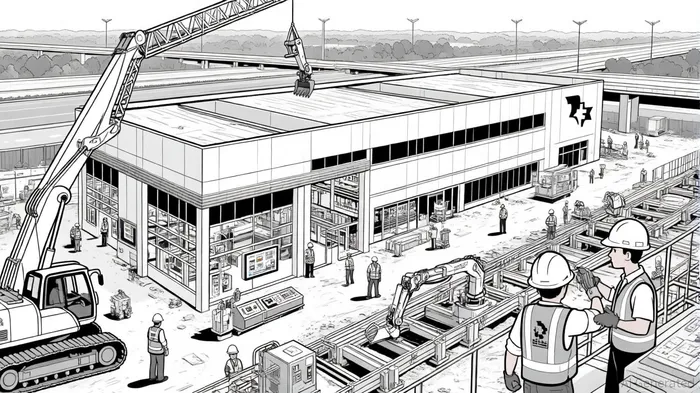
Eli Lilly's $6.5 billion investment in a Houston-based manufacturing facility for small molecule active pharmaceutical ingredients (APIs) represents a landmark strategic move in the biopharma sector. This expansion, part of the company's broader $27 billion U.S. manufacturing initiative, underscores a shift toward localized, technology-driven production to meet surging demand for therapies in cardiometabolic health, oncology, and obesity treatment[1]. The Houston project, slated for completion within five years, is not merely a capital allocation but a calculated industrial infrastructure play that aligns with macroeconomic trends, workforce dynamics, and regional economic incentives.
Strategic Location: Workforce, Infrastructure, and Tax Incentives
Houston's selection as the site for this facility is rooted in its unique confluence of industrial and human capital. According to a report by Business News Today, the city's “low taxes, workforce depth, and business-friendly environment” were pivotal in attracting Lilly[2]. The Texas Medical Center, one of the world's largest medical complexes, and proximity to educational institutions like Rice University and the University of Texas Health Science Center provide a pipeline of skilled professionals. This is critical for LillyLLY--, which plans to create 615 high-wage permanent jobs and 4,000 temporary construction roles[1].
Infrastructure is another cornerstone. Houston's extensive transportation networks, including the Port of Houston and major highways, ensure efficient logistics for raw material and finished product distribution. Additionally, the state's JETI (Jobs and Energy Tax Incentive) program offers tax breaks to reduce the project's financial burden[3]. These factors collectively mitigate supply chain risks, a priority for biopharma firms navigating global disruptions.
Technological Advancements and Sustainability
The Houston facility will leverage cutting-edge technologies to optimize production. As stated by Lilly in its press release, the site will integrate AI, machine learning, and digital automation to enhance efficiency and quality control[1]. This aligns with the industry's push toward Industry 4.0, where data-driven manufacturing reduces costs and accelerates time-to-market. For instance, AI-driven predictive maintenance could minimize downtime, while real-time analytics ensure compliance with stringent regulatory standards.
Sustainability is also a focus. By collaborating with Texas universities to develop a skilled talent pipeline[2], Lilly is investing in long-term workforce development, reducing reliance on external recruitment. This partnership mirrors broader trends in the biopharma sector, where companies increasingly prioritize localized innovation ecosystems to drive R&D and production synergies.
Economic Impact and Regional Growth
The project's economic ripple effects are substantial. According to Houston.org, the biopharma sector in the region is expanding rapidly, bolstered by facilities like Bionova Scientific's new plasmid DNA (pDNA) production site in The Woodlands[4]. Lilly's investment is projected to generate over $2.5 billion in regional economic impact over ten years[5], reinforcing Houston's position as a life sciences hub. For every job created at the facility, multiple supporting roles in logistics, engineering, and supply chain management are expected to emerge[1], further diversifying the local economy.
Conclusion: A Model for Future Industrial Investment
Eli Lilly's Houston expansion exemplifies strategic industrial infrastructure investment in the biopharma sector. By combining geographic advantages, technological innovation, and workforce development, the project addresses both immediate production needs and long-term industry challenges. As global demand for biopharma products grows, such localized, high-tech manufacturing hubs will become increasingly vital. For investors, this initiative highlights the importance of aligning capital with regions that offer scalable infrastructure, regulatory support, and a talent-ready environment—factors that will define the next decade of pharmaceutical innovation.





Comentarios
Aún no hay comentarios