
Electric Vehicles: The New Wave of U.S. Auto Sales
Generado por agente de IAWesley Park
jueves, 16 de enero de 2025, 8:44 am ET1 min de lectura
TSLA--
In 2024, a remarkable milestone was reached in the U.S. auto market: electric vehicle (EV) and hybrid sales accounted for a record 20% of total vehicle sales. This significant shift in consumer preferences and market dynamics has been driven by a combination of factors, including incentives, emission targets, and market maturation.
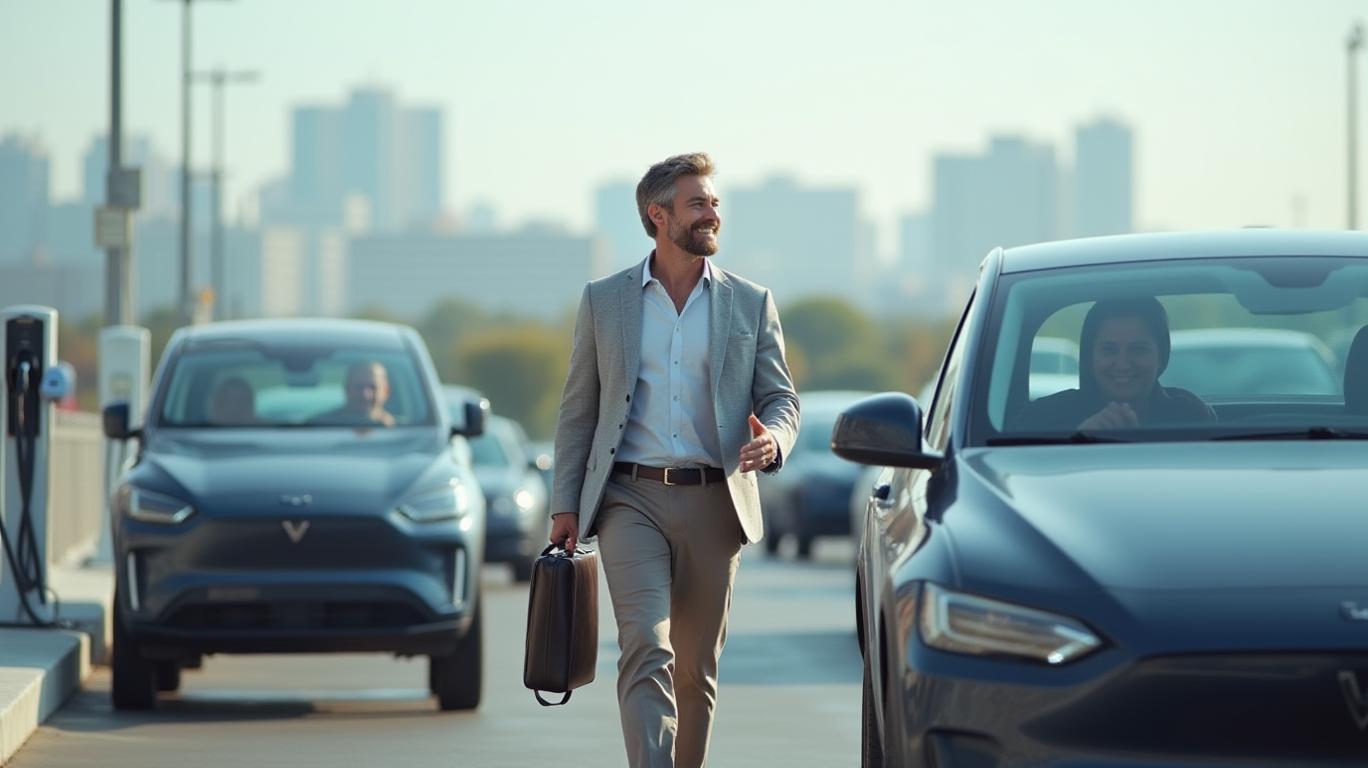
The Inflation Reduction Act's tax credits have played a pivotal role in boosting EV and hybrid sales. The revised qualifications for the Clean Vehicle Tax Credit, alongside electric car price cuts, made popular EV models eligible for credit in 2023. For instance, sales of the Tesla Model Y increased by 50% compared to 2022 after it became eligible for the full USD 7,500 tax credit. This indicates that the new criteria established by the Inflation Reduction Act (IRA) have supported sales in 2023, despite earlier concerns about potential bottlenecks or delays in EV and battery manufacturing.
As the market for electric vehicles matured, more models became available, catering to a wider range of consumer preferences. This increased availability, along with the growing awareness and acceptance of EVs, contributed to the record sales in 2024. Additionally, leasing business models enabled electric cars to qualify for tax credits even if they did not fully meet the domestic content requirements, making EVs more affordable and driving sales.
Tesla continued to hold the number one spot in the U.S. BEV market, although its market share decreased to 48.8% in 2024. Tesla's strong brand recognition, innovative technology, and extensive charging infrastructure have contributed to its market leadership. Ford held the second-largest share of the BEV market at 6.9%, driven by the sales of the Mustang Mach-E and F-150 Lightning. Chevrolet replaced Hyundai as the manufacturer with the third-largest share of the BEV market at 5.8%, thanks to the success of the Equinox and Blazer models.
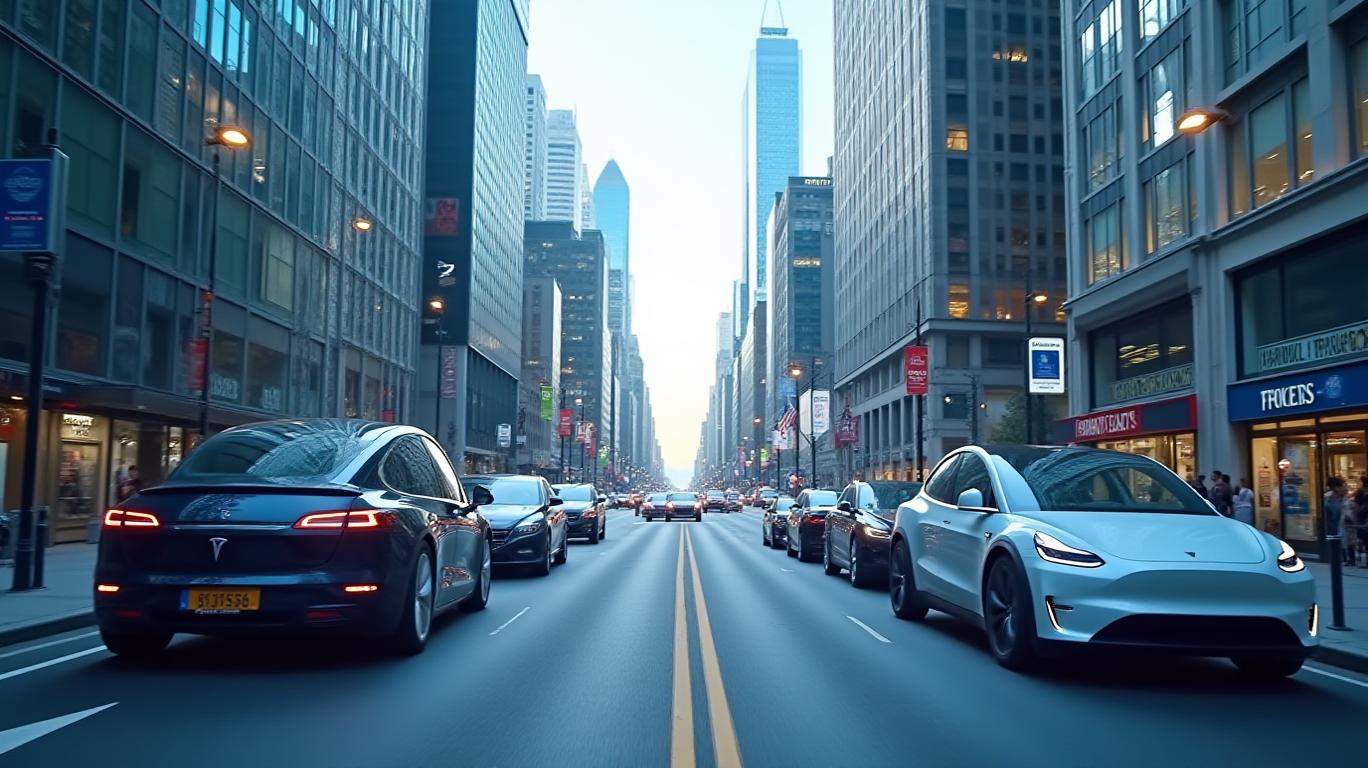
The increasing demand for sustainable and eco-friendly vehicles, combined with the availability of government incentives and the growing range of EV models, has driven the record EV and hybrid sales in the U.S. in 2024. As the market continues to evolve, it is expected that EV and hybrid sales will continue to grow, reshaping the U.S. auto industry and contributing to a more sustainable future.
In 2024, a remarkable milestone was reached in the U.S. auto market: electric vehicle (EV) and hybrid sales accounted for a record 20% of total vehicle sales. This significant shift in consumer preferences and market dynamics has been driven by a combination of factors, including incentives, emission targets, and market maturation.
The Inflation Reduction Act's tax credits have played a pivotal role in boosting EV and hybrid sales. The revised qualifications for the Clean Vehicle Tax Credit, alongside electric car price cuts, made popular EV models eligible for credit in 2023. For instance, sales of the Tesla Model Y increased by 50% compared to 2022 after it became eligible for the full USD 7,500 tax credit. This indicates that the new criteria established by the Inflation Reduction Act (IRA) have supported sales in 2023, despite earlier concerns about potential bottlenecks or delays in EV and battery manufacturing.
As the market for electric vehicles matured, more models became available, catering to a wider range of consumer preferences. This increased availability, along with the growing awareness and acceptance of EVs, contributed to the record sales in 2024. Additionally, leasing business models enabled electric cars to qualify for tax credits even if they did not fully meet the domestic content requirements, making EVs more affordable and driving sales.
Tesla continued to hold the number one spot in the U.S. BEV market, although its market share decreased to 48.8% in 2024. Tesla's strong brand recognition, innovative technology, and extensive charging infrastructure have contributed to its market leadership. Ford held the second-largest share of the BEV market at 6.9%, driven by the sales of the Mustang Mach-E and F-150 Lightning. Chevrolet replaced Hyundai as the manufacturer with the third-largest share of the BEV market at 5.8%, thanks to the success of the Equinox and Blazer models.
The increasing demand for sustainable and eco-friendly vehicles, combined with the availability of government incentives and the growing range of EV models, has driven the record EV and hybrid sales in the U.S. in 2024. As the market continues to evolve, it is expected that EV and hybrid sales will continue to grow, reshaping the U.S. auto industry and contributing to a more sustainable future.

Divulgación editorial y transparencia de la IA: Ainvest News utiliza tecnología avanzada de Modelos de Lenguaje Largo (LLM) para sintetizar y analizar datos de mercado en tiempo real. Para garantizar los más altos estándares de integridad, cada artículo se somete a un riguroso proceso de verificación con participación humana.
Mientras la IA asiste en el procesamiento de datos y la redacción inicial, un miembro editorial profesional de Ainvest revisa, verifica y aprueba de forma independiente todo el contenido para garantizar su precisión y cumplimiento con los estándares editoriales de Ainvest Fintech Inc. Esta supervisión humana está diseñada para mitigar las alucinaciones de la IA y garantizar el contexto financiero.
Advertencia sobre inversiones: Este contenido se proporciona únicamente con fines informativos y no constituye asesoramiento profesional de inversión, legal o financiero. Los mercados conllevan riesgos inherentes. Se recomienda a los usuarios que realicen una investigación independiente o consulten a un asesor financiero certificado antes de tomar cualquier decisión. Ainvest Fintech Inc. se exime de toda responsabilidad por las acciones tomadas con base en esta información. ¿Encontró un error? Reportar un problema




Comentarios
Aún no hay comentarios