
Egyptian Inflation Little Changed With More Rate Cuts on Horizon
Egypt’s inflation rate edged higher in April 2025, rising to 13.1% year-on-year, but the Central Bank of Egypt (CBE) has signaled further monetary easing to support economic recovery. Despite lingering risks from global trade tensions and domestic fiscal pressures, policymakers are betting on sustained disinflation to justify aggressive rate cuts. Here’s what investors need to know.
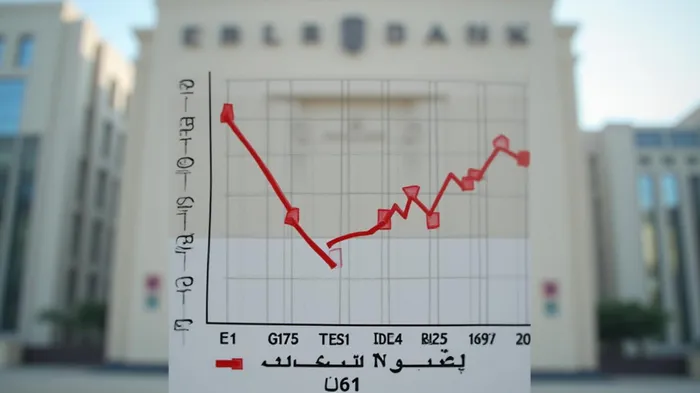
Inflation Dynamics: A Fragile Downward Trend
Egypt’s headline inflation dipped to 13.6% in March 2025, but April’s reading reversed course, climbing to 13.1% amid surging food prices and currency volatility. Food inflation hit 26% annually, driven by wheat shortages linked to the Ukraine war, while energy costs rose after mid-April fuel price hikes. Core inflation (excluding food and energy) moderated to 9.4% in March but remains elevated, reflecting persistent underlying pressures.
The CBE’s April 25 decision to cut its benchmark deposit rate by 225 basis points to 25%—the first reduction in over five years—was predicated on inflation expectations falling to multiyear lows. However, April’s uptick underscores the fragility of this progress.
Central Bank Strategy: Balancing Growth and Stability
The CBE’s rate cut aimed to lower borrowing costs for businesses and households, with GDP growth hitting 4.3% in Q1 2025. Policymakers highlighted improved macroeconomic stability, including remittance inflows doubling to $20 billion year-on-year and foreign reserves stabilizing at $47.39 billion.
Yet, the bank emphasized a “data-dependent” approach, warning that further easing hinges on inflation returning to a downward path. Analysts project rates could fall to 17.25% by year-end 2025, though risks like U.S. tariffs and geopolitical disruptions could force a pause.
Key Risks to Monitor
- Global Supply Chain Shocks: Egypt’s reliance on Black Sea wheat imports leaves it vulnerable to disruptions. A prolonged Ukraine war could push food inflation higher.
- Currency Volatility: The Egyptian pound’s depreciation (EGP 18.5/USD vs. a prior peg of 15.7/USD) has fueled import-driven inflation. The CBE’s shift to a flexible exchange rate regime adds uncertainty.
- Fiscal Pressures: Public debt at 90.9% of GDP and potential fuel subsidy adjustments may force the government to tighten spending, slowing growth.
Investment Implications
- Equity Opportunities: Sectors like construction, consumer discretionary, and financials could benefit from lower rates. The EGX30 index has risen 15% year-to-date, but volatility remains.
- Debt Markets: Short-term T-bills (currently yielding ~9.6%) offer attractive returns, though geopolitical risks could pressure yields.
- Currency Hedging: Investors exposed to Egyptian assets should consider FX hedging given the pound’s instability.
Conclusion: A Delicate Balancing Act
The CBE’s April rate cut marks a pivotal shift toward growth support, but inflation’s recent uptick underscores the challenges ahead. With core inflation still elevated and global risks looming, further easing is far from certain.
To reach its 7% inflation target by late 2026, Egypt must navigate three key hurdles: resolving supply chain bottlenecks, managing currency fluctuations, and avoiding fiscal slippage. For investors, the path offers potential rewards in undervalued Egyptian assets but demands close monitoring of monthly inflation data and geopolitical developments.
The CBE’s data-driven approach—combined with robust remittances and tourism revenues ($14 billion in 2023)—provides a foundation for cautious optimism. However, the road to sustainable price stability will require navigating a tightrope between monetary flexibility and fiscal discipline.
Final data to watch: The May inflation report (due June 2025) will determine whether the CBE’s easing cycle accelerates or stalls. For now, the market’s focus is on whether Egypt can sustain disinflation amid a global backdrop of rising protectionism and volatile commodity markets.







Comentarios
Aún no hay comentarios