
Egypt's Foreign Reserves Surge: A Beacon of Stability for Equity and Bond Investors
The Egyptian economy has emerged as a compelling investment story in 2025, driven by a historic rise in foreign reserves to $48.7 billion by June, a level unseen in decades. This milestone reflects a confluence of structural reforms, robust remittance inflows, and a tourism rebound, creating fertile ground for strategic investments in equities and bonds. For investors seeking exposure to an economy navigating macroeconomic stabilization, Egypt presents a unique opportunity—one that balances growth potential with risks tied to geopolitical dynamics and policy execution.
The Reserves Surge: A Foundation for Stability
Egypt's foreign reserves have grown steadily since early 2024, hitting $48.7 billion in June 2025 (provisional data), up from $47.3 billion in February. This growth is underpinned by three pillars:
1. Remittances: Remittances surged 77% year-on-year in the first 10 months of fiscal 2024–25, reaching $29 billion. April 2025 alone saw a 39% YoY jump to $3 billion, as expatriates shifted to formal banking channels post-2024 currency liberalization.
2. Tourism: Revenues hit $15.3 billion in 2024, with a projected 15% rise in 2025, fueled by infrastructure investments and targeted marketing campaigns.
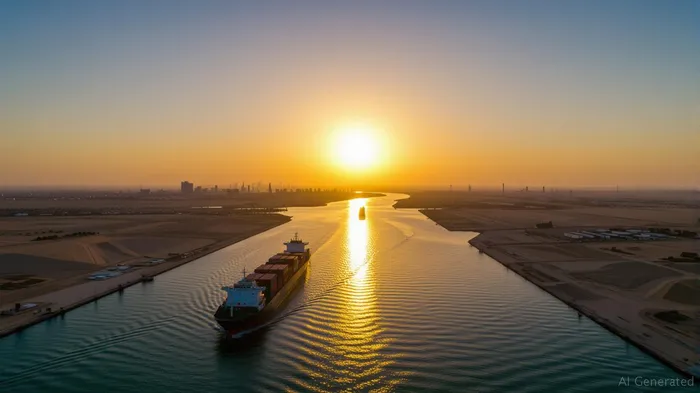
3. Exports and Suez Canal Revenues: The Suez Canal's revenue is expected to rebound to $10 billion in 2025, while non-oil exports rose 33% in the first nine months of the fiscal year.
Why This Matters for Investors
The reserve buildup has two critical implications:
- Debt Sustainability: Egypt aims to reduce public debt to 85% of GDP by June 2025 (from 96% in 2023). Strong reserves reduce rollover risks for its $130 billion debt, bolstering investor confidence.
- Currency Stability: The Egyptian pound, floated in March 2024, has stabilized at around 40 EGP/$1, supported by reduced reliance on foreign exchange auctions. This stability attracts foreign direct investment (FDI), which rose 17% in early 2025.
The IMF's continued support—including a $3.3 billion tranche released in May 2025—adds credibility, while the EU's $5 billion macro-financial aid package reinforces external liquidity.
Strategic Sectors for Equity Investors
- Tourism & Hospitality: Companies like Tourism Development Authority (TDA) and Mena Hotels stand to benefit from rising tourist arrivals. With infrastructure upgrades and targeted promotions, this sector could see double-digit revenue growth.
- Banking: Commercial International Bank (CIB) and National Bank of Egypt (NBE) are well-positioned to capitalize on remittance-driven liquidity and a rebound in consumer lending.
- Infrastructure & Logistics: The Suez Canal expansion and projects tied to the UAE's $35 billion Ras El Hekma deal (a joint energy venture) favor firms like Orascom Construction, which specializes in large-scale infrastructure.
Opportunities in Egyptian Bonds
Egypt's 10-year government bonds currently yield around 14%, a premium reflecting inflation risks (urban inflation hit 16.8% in May 2025). However, this high yield could attract yield-seeking investors if inflation trends downward. The Central Bank's tightening cycle—rate hikes to 18% in early 2025—aims to curb price pressures, though success is uncertain.
Risks to Monitor
- Geopolitical Tensions: Ongoing conflicts in the region could disrupt Suez Canal traffic, impacting revenues.
- IMF Conditionality: The IMF's upcoming reviews may impose austerity measures, potentially dampening growth.
- Inflation Lingering: If core inflation remains elevated, it could erode consumer demand and corporate margins.
Investment Thesis & Recommendations
Egypt's macroeconomic stabilization has created a compelling entry point for long-term investors. Equities in tourism, banking, and infrastructure offer exposure to structural growth, while bonds provide high yields if inflation recedes. However, investors should:
- Diversify: Allocate across sectors to mitigate geopolitical and policy risks.
- Monitor Policy: Track IMF reviews and central bank actions on inflation.
- Hedge: Use currency forwards to mitigate EGP volatility.
Conclusion
Egypt's $48.7 billion foreign reserves are not just a statistic—they signal a turning point. With reforms gaining traction and external liquidity improving, the country is poised to attract capital flows into equities and bonds. While risks persist, the combination of remittance-driven growth, tourism recovery, and infrastructure investment makes Egypt a compelling story for investors willing to navigate emerging markets' complexities.
For further analysis, explore Egypt's EGX30 Index performance and bond yield trends via the visual queries above.







Comentarios
Aún no hay comentarios