
Egypt's Emerging Oil and Gas Sector: A Strategic Opportunity Amid Tourism and Infrastructure Growth
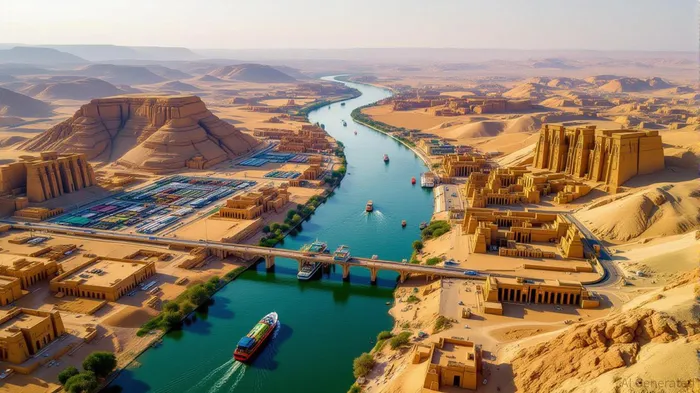
Egypt's oil and gas sector is increasingly positioned as a cornerstone of its economic transformation, driven by a confluence of tourism-driven infrastructure development and strategic energy investments. While direct data on recent production figures or sector-specific policies remains sparse, the country's broader economic priorities and indirect synergies between energy and tourism suggest a compelling long-term investment narrative.
Energy as a Catalyst for Tourism and Infrastructure
Egypt's tourism sector, a vital component of its GDP, is expanding through investments in connectivity and visitor experiences. Improved transportation networks—such as modern transit systems linking Cairo to Luxor and Aswan—are not only enhancing tourist accessibility but also facilitating the movement of energy resources and industrial goods[2]. For instance, the development of eSIM services and mobile connectivity in tourist hubs underscores Egypt's commitment to digital infrastructure, which indirectly supports energy sector operations by enabling real-time logistics and service management[4].
While explicit government documents linking oil and gas investments to tourism infrastructure are absent, the sector's role in sustaining tourism growth is evident. A stable energy supply is critical for powering hotels, industrial zones, and transportation networks that cater to rising tourist numbers. For example, the expansion of the Red Sea Riviera and new luxury resorts in the Sinai Peninsula likely relies on reliable energy infrastructure to maintain operations[3].
Indirect Synergies and Economic Resilience
Egypt's focus on preserving cultural and natural heritage—such as the White and Black Deserts—has drawn global attention, attracting foreign investment and boosting tourism revenue[1]. This economic growth, in turn, funds infrastructure projects that align with energy sector needs. For instance, enhanced road and rail connectivity between archaeological sites and major cities reduces transportation costs for energy firms operating in the region.
Moreover, Egypt's energy sector is indirectly bolstered by tourism-driven economic activity. Increased tourism revenue strengthens the national economy, creating a more favorable environment for foreign direct investment (FDI) in energy. This dynamic is particularly relevant as Egypt seeks to diversify its energy mix and attract capital for upstream and downstream projects.
Challenges and Opportunities
Despite these synergies, challenges persist. Limited transparency in energy sector data and the absence of publicly available government strategies for 2023–2025 create uncertainty for investors. However, Egypt's strategic location at the crossroads of Europe, Asia, and Africa, coupled with its ongoing efforts to modernize infrastructure, presents a unique opportunity.
A key opportunity lies in leveraging tourism-related infrastructure to support energy projects. For example, industrial zones near tourist hubs could integrate renewable energy solutions, such as solar farms, to meet both tourism and energy demands. Additionally, Egypt's natural gas reserves, though not quantified in recent reports, remain a critical asset for domestic consumption and export, particularly as regional demand grows[3].
Conclusion
Egypt's oil and gas sector, while not yet fully transparent in its strategic linkages to tourism and infrastructure, is undeniably intertwined with the country's broader economic ambitions. The indirect synergies between energy supply, tourism growth, and transportation development suggest that long-term investors should view Egypt's energy market through a holistic lens. As the country continues to enhance its global appeal through cultural preservation and infrastructure modernization, the energy sector stands to benefit from a stable and growing economic ecosystem.







Comentarios
Aún no hay comentarios