
Egypt's El-Dabaa Nuclear Plant: A High-Risk, High-Reward Play in Energy Transition Markets?
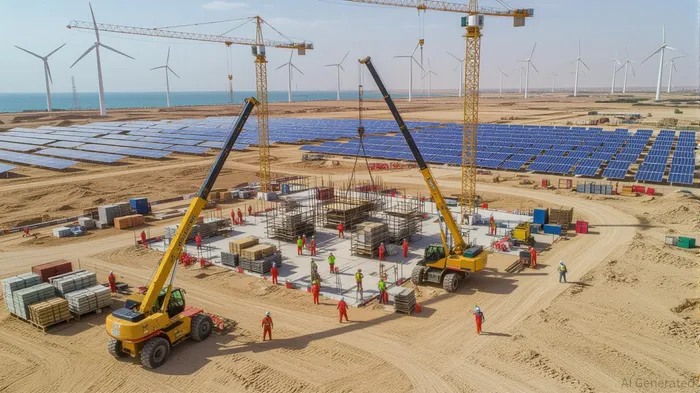
Egypt's El-Dabaa Nuclear Plant, a $25 billion project spearheaded by Russia's Rosatom, has emerged as a pivotal element in the country's energy strategy. With four VVER-1200 reactors expected to generate 4.8 gigawatts of electricity by 2030, the plant aims to reduce Egypt's reliance on natural gas and position it as a regional energy hub. However, the project's viability hinges on a delicate balance of geopolitical, regulatory, and environmental risks against its long-term infrastructure value and alignment with ESG (Environmental, Social, and Governance) trends.
Geopolitical Risks: A Double-Edged Sword
The El-Dabaa project is a linchpin of Egypt's strategic partnership with Russia, with Rosatom supplying not only reactors but also nuclear fuel and spent fuel management. This deep integration with Russian state interests, however, exposes the project to global geopolitical headwinds. Since 2022, Western sanctions on Russia have intensified scrutiny of projects involving Russian entities, raising concerns about supply chain disruptions and reputational risks for investors.
Despite these challenges, the project has accelerated under a 2025 supplementary protocol to the 2015 nuclear agreement, with Egypt's President Abdel Fattah al-Sisi and Russian President Vladimir Putin jointly overseeing key milestones. The Russian state export loan, covering 85% of the project's cost, has insulated it from immediate financial shocks, but long-term geopolitical shifts—such as a potential easing of Russia-West tensions or a hardening of sanctions—could alter the project's trajectory. For investors, this duality presents both a hedge against energy insecurity and a potential liability tied to Russia's global standing.
Regulatory and Environmental Safeguards: A Mixed Record
Egypt's Nuclear and Radiological Regulatory Authority (ENRRA) has demonstrated rigorous compliance with IAEA standards, issuing construction permits for all four reactor units and approving a dry storage facility for spent fuel. The plant's design, featuring advanced seismic-resistant technology, addresses regional risks, while a 5,000-square-meter training center at the site aims to build local expertise in nuclear safety.
Yet, the project's environmental risks remain under scrutiny. The Mediterranean coast, where El-Dabaa is located, is seismically active, and while Rosatom asserts the plant's resilience, any incident could trigger regulatory backlash and reputational damage. Additionally, the long-term management of spent fuel—stored in Russian-supplied containers for up to 100 years—raises questions about Egypt's capacity to maintain oversight without Russian technical support.
ESG Alignment: A Tenuous Fit
The El-Dabaa project aligns with Egypt's net-zero goals and its Energy Strategy 2040, which prioritizes low-carbon energy. The plant's potential to displace fossil fuels and support desalination efforts could enhance its ESG credentials. However, its association with Russia—a country under Western sanctions—complicates its appeal to ESG-focused investors. The European Union's revised Corporate Sustainability Reporting Directive (CSRD) and similar frameworks emphasize supply chain transparency, casting doubt on projects linked to geopolitical conflicts.
Moreover, Egypt's broader ESG landscape, including labor rights and environmental governance, remains a concern. While the project has created 24,000 jobs and trained 20,000 workers, critics argue that these gains are offset by the project's reliance on Russian state actors. For investors, the challenge lies in weighing the project's climate benefits against its geopolitical entanglements.
Investment Implications: Balancing Risk and Reward
The El-Dabaa project offers a high-reward opportunity for those betting on energy transition in emerging markets. Its completion could stabilize Egypt's energy grid, attract foreign investment, and serve as a model for African nuclear projects. However, the risks are significant:
- Geopolitical Volatility: A shift in Russia-West relations could disrupt financing or supply chains.
- Regulatory Uncertainty: IAEA compliance is strong, but local governance gaps persist.
- ESG Scrutiny: While the project supports decarbonization, its Russian ties may deter ESG funds.
For investors, the key is diversification. Those with a high-risk tolerance might allocate to Egyptian energy infrastructure or Russian state-backed projects, while others could hedge with ESG-compliant alternatives in Southeast Asia or Latin America. The project's success will also depend on Egypt's ability to maintain macroeconomic stability and attract non-Russian financing.
Conclusion: A Calculated Bet
Egypt's El-Dabaa Nuclear Plant is a bold experiment in energy transition, blending strategic ambition with geopolitical pragmatism. While its alignment with global climate goals is clear, its entanglement with Russia's geopolitical challenges introduces a layer of risk that cannot be ignored. For investors, the project represents a high-stakes opportunity: a chance to capitalize on Egypt's energy revolution while navigating a complex web of regulatory, environmental, and geopolitical variables. Those who can navigate these risks may find themselves positioned to benefit from one of the most transformative infrastructure projects in Africa.







Comentarios
Aún no hay comentarios