
Egypt Cancels Fuel Oil Shipments Amid LNG Import Surge
PorAinvest
viernes, 8 de agosto de 2025, 8:59 am ET2 min de lectura
CVX--
The EGPC initially tendered to buy 14 shipments of fuel oil, a refined product used in power plants, but canceled about half of the plan issued in June for delivery this month. Seven cargoes of fuel oil totaling about 350,000 tons, roughly 2.2 million barrels, were canceled, with four for delivery to Alexandria, one to Suez, and two to Ain Sokhna [1].
Egypt has been an avid buyer of LNG from trading houses including Trafigura Group and Vitol Group. The country stepped up purchases last month after adding two floating terminals to ensure electricity to a growing population. While fuel oil is also vital to meet the country’s power generation needs, the lack of adequate port infrastructure is proving challenging [1].
The cancellation of the fuel oil tender comes after Egypt secured significant LNG supplies. The country has been an LNG importer since 2022, when its domestic production slumped. Egypt's LNG imports had been met through a single operational terminal, the Hoegh Galleon vessel, docked in Ain Sokhna. The addition of the Energos Eskimo and Energos Power terminals last month boosted the country's capacity to regasify LNG [1].
Egypt has also been increasing its gas imports from Israel. Israel's Leviathan natural gas field signed a $35 billion supply deal with Egypt, agreeing to supply about 130 billion cubic meters (bcm) of gas through 2040. The gas is pumped via pipelines, making it cheaper than LNG. The deal should ease Egypt's energy crisis and save billions of dollars for the Egyptian economy [2][3].
The Leviathan reservoir began supplying Egypt shortly after production began in 2020. The field, operated by Chevron which also holds a 40% stake, also supplies Jordan. Leviathan's expansion, which would cost around $2.4 billion, should allow for production and supplies within Israel and to its neighbors through 2064 [3].
Egypt's gas production has been declining since 2022. According to latest figures, production reached 3,545 million cubic meters in May, compared to 6,133 mcm in March 2021 - a decline of over 42% in less than five years [3].
References:
[1] https://www.bloomberg.com/news/articles/2025-08-08/egypt-shuns-millions-of-barrels-of-oil-cargoes-in-shift-to-lng
[2] https://www.oedigital.com/news/528789-leviathan-natural-gas-field-signs-35b-supply-deal-with-egypt
[3] https://www.marketscreener.com/news/update-3-israel-s-leviathan-signs-35-billion-natural-gas-supply-deal-with-egypt-ce7c5edfdc8cf527
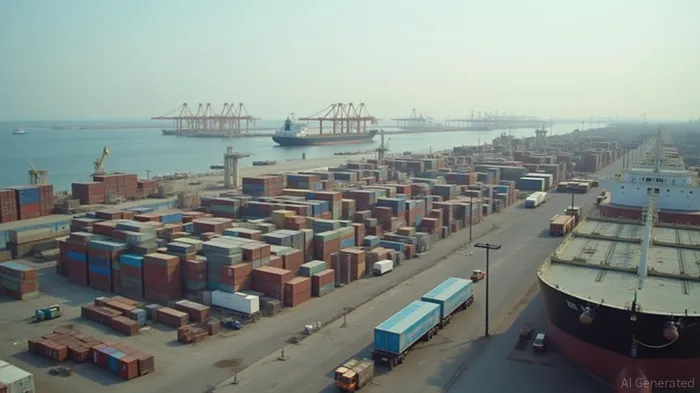
Egypt's state-owned energy firm, Egyptian General Petroleum Corp., canceled about half of its fuel oil tender after securing massive amounts of LNG to meet electricity generation needs. The company is rescheduling deliveries from an earlier tender and seeking to reschedule LNG imports for late August. Egypt's ports lack adequate infrastructure to receive and store large volumes of fuel oil, making timing of deliveries tricky.
Egypt's state-owned energy firm, Egyptian General Petroleum Corp. (EGPC), has canceled about half of its fuel oil tender after securing massive amounts of liquefied natural gas (LNG) to meet electricity generation needs. The company is rescheduling deliveries from an earlier tender and seeking to reschedule LNG imports for late August. Egypt's ports lack adequate infrastructure to receive and store large volumes of fuel oil, making the timing of deliveries tricky.The EGPC initially tendered to buy 14 shipments of fuel oil, a refined product used in power plants, but canceled about half of the plan issued in June for delivery this month. Seven cargoes of fuel oil totaling about 350,000 tons, roughly 2.2 million barrels, were canceled, with four for delivery to Alexandria, one to Suez, and two to Ain Sokhna [1].
Egypt has been an avid buyer of LNG from trading houses including Trafigura Group and Vitol Group. The country stepped up purchases last month after adding two floating terminals to ensure electricity to a growing population. While fuel oil is also vital to meet the country’s power generation needs, the lack of adequate port infrastructure is proving challenging [1].
The cancellation of the fuel oil tender comes after Egypt secured significant LNG supplies. The country has been an LNG importer since 2022, when its domestic production slumped. Egypt's LNG imports had been met through a single operational terminal, the Hoegh Galleon vessel, docked in Ain Sokhna. The addition of the Energos Eskimo and Energos Power terminals last month boosted the country's capacity to regasify LNG [1].
Egypt has also been increasing its gas imports from Israel. Israel's Leviathan natural gas field signed a $35 billion supply deal with Egypt, agreeing to supply about 130 billion cubic meters (bcm) of gas through 2040. The gas is pumped via pipelines, making it cheaper than LNG. The deal should ease Egypt's energy crisis and save billions of dollars for the Egyptian economy [2][3].
The Leviathan reservoir began supplying Egypt shortly after production began in 2020. The field, operated by Chevron which also holds a 40% stake, also supplies Jordan. Leviathan's expansion, which would cost around $2.4 billion, should allow for production and supplies within Israel and to its neighbors through 2064 [3].
Egypt's gas production has been declining since 2022. According to latest figures, production reached 3,545 million cubic meters in May, compared to 6,133 mcm in March 2021 - a decline of over 42% in less than five years [3].
References:
[1] https://www.bloomberg.com/news/articles/2025-08-08/egypt-shuns-millions-of-barrels-of-oil-cargoes-in-shift-to-lng
[2] https://www.oedigital.com/news/528789-leviathan-natural-gas-field-signs-35b-supply-deal-with-egypt
[3] https://www.marketscreener.com/news/update-3-israel-s-leviathan-signs-35-billion-natural-gas-supply-deal-with-egypt-ce7c5edfdc8cf527
Divulgación editorial y transparencia de la IA: Ainvest News utiliza tecnología avanzada de Modelos de Lenguaje Largo (LLM) para sintetizar y analizar datos de mercado en tiempo real. Para garantizar los más altos estándares de integridad, cada artículo se somete a un riguroso proceso de verificación con participación humana.
Mientras la IA asiste en el procesamiento de datos y la redacción inicial, un miembro editorial profesional de Ainvest revisa, verifica y aprueba de forma independiente todo el contenido para garantizar su precisión y cumplimiento con los estándares editoriales de Ainvest Fintech Inc. Esta supervisión humana está diseñada para mitigar las alucinaciones de la IA y garantizar el contexto financiero.
Advertencia sobre inversiones: Este contenido se proporciona únicamente con fines informativos y no constituye asesoramiento profesional de inversión, legal o financiero. Los mercados conllevan riesgos inherentes. Se recomienda a los usuarios que realicen una investigación independiente o consulten a un asesor financiero certificado antes de tomar cualquier decisión. Ainvest Fintech Inc. se exime de toda responsabilidad por las acciones tomadas con base en esta información. ¿Encontró un error? Reportar un problema


SOBRE NOSOTROS
Nuestra historiaAutores de noticiasBase de conocimientosPolítica de privacidadTérmino de usoDescargo de responsabilidad de corretaje de tercerosTérminos de uso de AIMEDivulgaciones de riesgos de AInvest AICarrerasCONTÁCTENOS
Email: support@ainvest.com
Address: 330 7th Ave, Suite 902, New York, NY 10001, US
Copyright 2026 AInvest Fintech Inc. All rights reserved.


Comentarios
Aún no hay comentarios