
Egg Prices Soar to Record High as DOJ Investigates America's Largest Egg Producer
Generado por agente de IAHarrison Brooks
jueves, 10 de abril de 2025, 1:40 pm ET2 min de lectura
CALM--
The egg industry is in turmoil. Prices have skyrocketed to record highs, and the U.S. Department of Justice (DOJ) has launched an investigation into potential price-fixing and supply restrictions by major egg producers. The crisis is a perfect storm of avian influenza outbreaks, rising production costs, and regulatory changes, all of which have conspired to drive up the cost of a staple food item.
The primary driver of the egg price crisis is the ongoing outbreak of Highly Pathogenic Avian Influenza (HPAI). Since 2022, the virus has decimated the nation’s egg-laying hen population, with over 20 million chickens culled in the last quarter alone. This drastic reduction in supply has led to a 38% increase in egg prices from fall 2023 to fall 2024, according to the Bureau of Labor Statistics. The New York Post reported on January 19, 2025, that egg prices are expected to rise by as much as 20% by the end of the year, potentially reaching $5 per dozen.
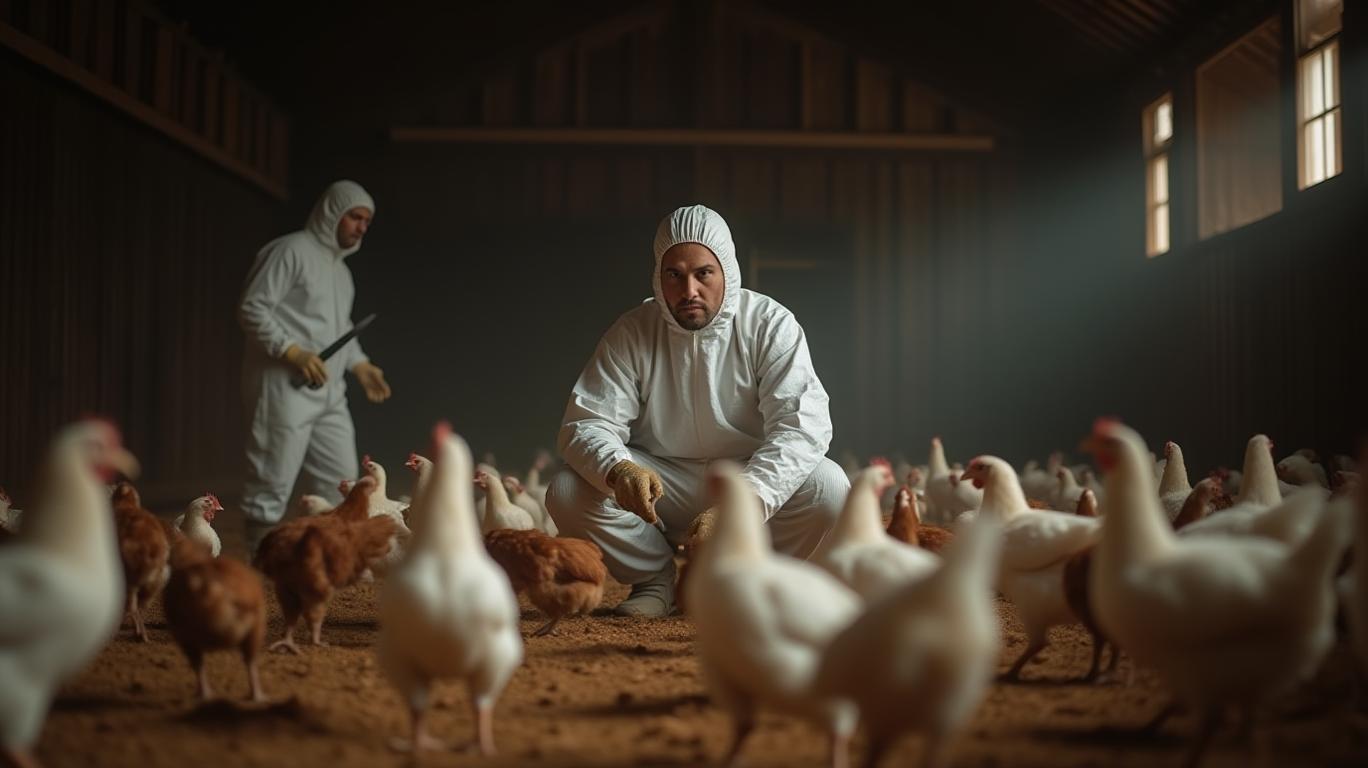
The impact of the HPAI outbreak is not just a matter of supply and demand; it is a systemic risk that threatens the stability of the entire food supply chain. The virus has forced producers to cull entire flocks, leading to a significant decrease in egg production. This, in turn, has driven up prices as consumers face shortages and retailers impose purchase limits to manage inventory.
But the crisis is not solely due to avian influenza. Increased production costs, including higher energy prices and the rising cost of bird feed, have also contributed to the price hike. The Wall Street Journal noted on January 19, 2025, that food prices overall are experiencing significant hikes, with inflation in December 2024 reaching the fastest rate in over a year. These costs are reflected in consumer prices, making eggs an increasingly expensive commodity.
Regulatory changes, such as cage-free egg laws, have also played a significant role in the current egg price crisis. States like Colorado, California, Massachusetts, and Washington have implemented laws requiring the production and sale of cage-free eggs. While these regulations aim to improve animal welfare, they also pose operational challenges and financial burdens on producers. Compliance with these laws often requires significant investments in new infrastructure, further driving up production costs.
The DOJ’s investigation into major egg producers, including Cal-Maine FoodsCALM-- and Rose Acre Farms, adds another layer of complexity to the crisis. The probe is examining whether these companies have engaged in price-fixing or supply restrictions, potentially contributing to the price increases. The investigation comes amid growing concerns over potential anticompetitive behavior in the egg industry, which has consolidated over the decades with Cal-Maine Foods emerging as the largest U.S. egg producer.
The long-term effects of the egg price crisis are concerning. The USDA has adjusted its egg production forecasts downward for 2025, citing a smaller laying flock and lower lay rates. Experts predict egg prices could rise by an additional 20% by the end of 2025, potentially reaching nearly $5 per dozen. This is supported by data showing that the average price for a dozen Grade A, Large eggs was approximately $2.40 in July 2024, but it rose to about $3.21 per dozen in August 2024, reflecting a 33.8% increase from July. By December 2024, the average price peaked at $4.15 per dozen, marking a 13.7% increase from November.
The egg price crisis is a stark reminder of the vulnerabilities in our food supply chain. It is a systemic risk that threatens the stability of the entire industry, from producers to retailers to consumers. The DOJ’s investigation into potential price-fixing and supply restrictions is a step in the right direction, but it is not enough. We need a comprehensive approach to address the rootROOT-- causes of the crisis, including avian influenza outbreaks, rising production costs, and regulatory changes.
The egg industry is at an ethical crossroads. The crisis has exposed the fragility of our food supply chain and the need for greater transparency and accountability. It is time for policymakers, executives, and consumers to come together to address these challenges and ensure a stable and affordable food supply for all. The future of the egg industry—and our food system—depends on it.
The egg industry is in turmoil. Prices have skyrocketed to record highs, and the U.S. Department of Justice (DOJ) has launched an investigation into potential price-fixing and supply restrictions by major egg producers. The crisis is a perfect storm of avian influenza outbreaks, rising production costs, and regulatory changes, all of which have conspired to drive up the cost of a staple food item.
The primary driver of the egg price crisis is the ongoing outbreak of Highly Pathogenic Avian Influenza (HPAI). Since 2022, the virus has decimated the nation’s egg-laying hen population, with over 20 million chickens culled in the last quarter alone. This drastic reduction in supply has led to a 38% increase in egg prices from fall 2023 to fall 2024, according to the Bureau of Labor Statistics. The New York Post reported on January 19, 2025, that egg prices are expected to rise by as much as 20% by the end of the year, potentially reaching $5 per dozen.
The impact of the HPAI outbreak is not just a matter of supply and demand; it is a systemic risk that threatens the stability of the entire food supply chain. The virus has forced producers to cull entire flocks, leading to a significant decrease in egg production. This, in turn, has driven up prices as consumers face shortages and retailers impose purchase limits to manage inventory.
But the crisis is not solely due to avian influenza. Increased production costs, including higher energy prices and the rising cost of bird feed, have also contributed to the price hike. The Wall Street Journal noted on January 19, 2025, that food prices overall are experiencing significant hikes, with inflation in December 2024 reaching the fastest rate in over a year. These costs are reflected in consumer prices, making eggs an increasingly expensive commodity.
Regulatory changes, such as cage-free egg laws, have also played a significant role in the current egg price crisis. States like Colorado, California, Massachusetts, and Washington have implemented laws requiring the production and sale of cage-free eggs. While these regulations aim to improve animal welfare, they also pose operational challenges and financial burdens on producers. Compliance with these laws often requires significant investments in new infrastructure, further driving up production costs.
The DOJ’s investigation into major egg producers, including Cal-Maine FoodsCALM-- and Rose Acre Farms, adds another layer of complexity to the crisis. The probe is examining whether these companies have engaged in price-fixing or supply restrictions, potentially contributing to the price increases. The investigation comes amid growing concerns over potential anticompetitive behavior in the egg industry, which has consolidated over the decades with Cal-Maine Foods emerging as the largest U.S. egg producer.
The long-term effects of the egg price crisis are concerning. The USDA has adjusted its egg production forecasts downward for 2025, citing a smaller laying flock and lower lay rates. Experts predict egg prices could rise by an additional 20% by the end of 2025, potentially reaching nearly $5 per dozen. This is supported by data showing that the average price for a dozen Grade A, Large eggs was approximately $2.40 in July 2024, but it rose to about $3.21 per dozen in August 2024, reflecting a 33.8% increase from July. By December 2024, the average price peaked at $4.15 per dozen, marking a 13.7% increase from November.
The egg price crisis is a stark reminder of the vulnerabilities in our food supply chain. It is a systemic risk that threatens the stability of the entire industry, from producers to retailers to consumers. The DOJ’s investigation into potential price-fixing and supply restrictions is a step in the right direction, but it is not enough. We need a comprehensive approach to address the rootROOT-- causes of the crisis, including avian influenza outbreaks, rising production costs, and regulatory changes.
The egg industry is at an ethical crossroads. The crisis has exposed the fragility of our food supply chain and the need for greater transparency and accountability. It is time for policymakers, executives, and consumers to come together to address these challenges and ensure a stable and affordable food supply for all. The future of the egg industry—and our food system—depends on it.

Divulgación editorial y transparencia de la IA: Ainvest News utiliza tecnología avanzada de Modelos de Lenguaje Largo (LLM) para sintetizar y analizar datos de mercado en tiempo real. Para garantizar los más altos estándares de integridad, cada artículo se somete a un riguroso proceso de verificación con participación humana.
Mientras la IA asiste en el procesamiento de datos y la redacción inicial, un miembro editorial profesional de Ainvest revisa, verifica y aprueba de forma independiente todo el contenido para garantizar su precisión y cumplimiento con los estándares editoriales de Ainvest Fintech Inc. Esta supervisión humana está diseñada para mitigar las alucinaciones de la IA y garantizar el contexto financiero.
Advertencia sobre inversiones: Este contenido se proporciona únicamente con fines informativos y no constituye asesoramiento profesional de inversión, legal o financiero. Los mercados conllevan riesgos inherentes. Se recomienda a los usuarios que realicen una investigación independiente o consulten a un asesor financiero certificado antes de tomar cualquier decisión. Ainvest Fintech Inc. se exime de toda responsabilidad por las acciones tomadas con base en esta información. ¿Encontró un error? Reportar un problema


SOBRE NOSOTROS
Nuestra historiaAutores de noticiasBase de conocimientosPolítica de privacidadTérmino de usoDescargo de responsabilidad de corretaje de tercerosTérminos de uso de AIMEDivulgaciones de riesgos de AInvest AICarrerasCONTÁCTENOS
Email: support@ainvest.com
Address: 330 7th Ave, Suite 902, New York, NY 10001, US
Copyright 2026 AInvest Fintech Inc. All rights reserved.


Comentarios
Aún no hay comentarios