
Egg Prices Soar: Don't Expect Relief Anytime Soon
Generado por agente de IATheodore Quinn
lunes, 27 de enero de 2025, 6:22 pm ET1 min de lectura
ANSC--
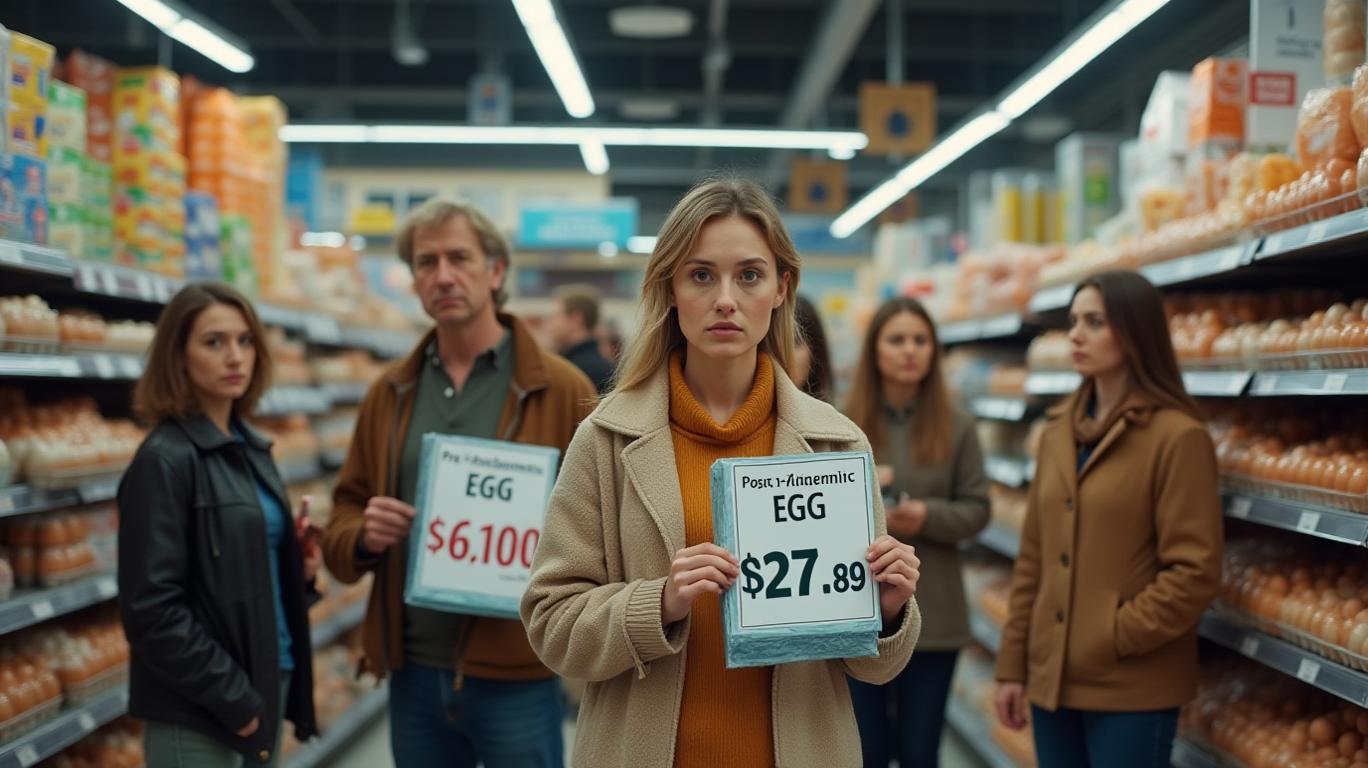
The price of eggs has soared in recent months, with a dozen eggs ringing up at more than $9 at some retailers. According to the U.S. Department of Agriculture, wholesale egg prices averaged $4.62 per dozen in December 2024, but prices vary significantly by region. In California, the average cost of eggs was $8.04 per dozen as of January 10, 2025, compared to $6.25 in New York.
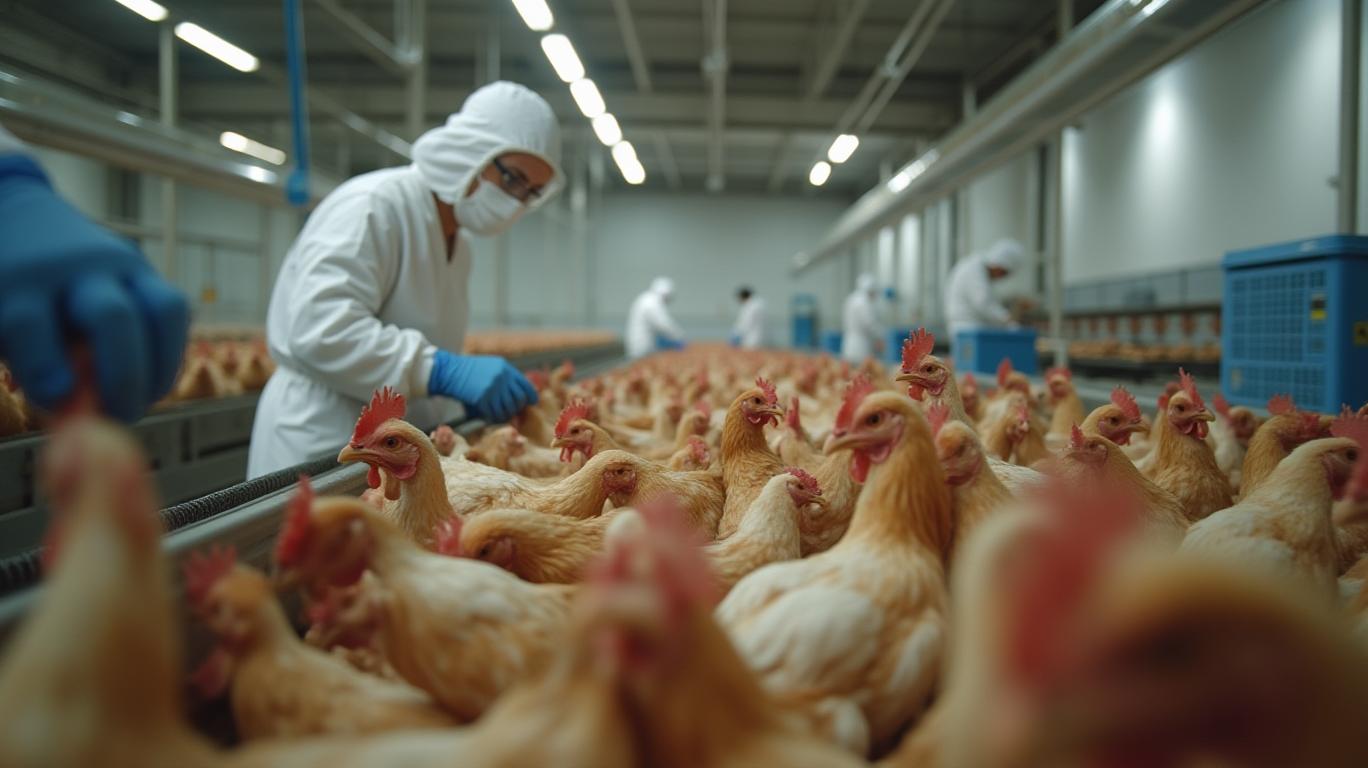
The primary factor pushing up egg prices is a wave of avian flu, which began in early 2022 and led to the culling of millions of egg-laying hens. As of January 2025, more than 100 million chickens have been affected, with over 50 million birds dying in the 2014-2015 outbreak alone. This has reduced the supply of eggs, causing prices to rise. The USDA estimates that the laying hen flock is down by 2.3% from January 2023 to January 2024, from 311 million to 304 million birds.
In addition to avian flu, other factors contributing to egg price volatility include transportation costs, local demand, and market competition. Feed costs, which represent 60% to 70% of a layer farmer's costs, have also significantly impacted egg prices. Global feed prices doubled between mid-2020 and mid-2022, making it difficult for producers to pass on these higher costs to customers.
While prices are expected to ease from late 2024 highs, they will likely stay above pre-outbreak levels through 2025. The USDA estimates that New York's average price will remain high at $4.80 in the early part of the year, but eventually drop to $2.35 per dozen by the end of 2025. However, further outbreaks or supply disruptions could push prices higher again, as egg prices tend to change quickly in response to market conditions.
To mitigate the effects of future avian flu outbreaks, the poultry industry can enhance its biosecurity regimens, implement vaccination programs, strengthen disease surveillance and early detection methods, and prioritize restocking flocks after outbreaks. Consumers can also help stabilize egg prices by diversifying their protein sources, reducing their reliance on eggs.
In conclusion, egg prices are expected to remain elevated in the coming years due to ongoing avian flu outbreaks, feed cost volatility, and transportation expenses. While prices may ease from late 2024 highs, they will likely stay above pre-outbreak levels through 2025. To manage egg price volatility, the poultry industry and consumers must work together to implement measures that mitigate the impact of future avian flu outbreaks and stabilize the market.
The price of eggs has soared in recent months, with a dozen eggs ringing up at more than $9 at some retailers. According to the U.S. Department of Agriculture, wholesale egg prices averaged $4.62 per dozen in December 2024, but prices vary significantly by region. In California, the average cost of eggs was $8.04 per dozen as of January 10, 2025, compared to $6.25 in New York.
The primary factor pushing up egg prices is a wave of avian flu, which began in early 2022 and led to the culling of millions of egg-laying hens. As of January 2025, more than 100 million chickens have been affected, with over 50 million birds dying in the 2014-2015 outbreak alone. This has reduced the supply of eggs, causing prices to rise. The USDA estimates that the laying hen flock is down by 2.3% from January 2023 to January 2024, from 311 million to 304 million birds.
In addition to avian flu, other factors contributing to egg price volatility include transportation costs, local demand, and market competition. Feed costs, which represent 60% to 70% of a layer farmer's costs, have also significantly impacted egg prices. Global feed prices doubled between mid-2020 and mid-2022, making it difficult for producers to pass on these higher costs to customers.
While prices are expected to ease from late 2024 highs, they will likely stay above pre-outbreak levels through 2025. The USDA estimates that New York's average price will remain high at $4.80 in the early part of the year, but eventually drop to $2.35 per dozen by the end of 2025. However, further outbreaks or supply disruptions could push prices higher again, as egg prices tend to change quickly in response to market conditions.
To mitigate the effects of future avian flu outbreaks, the poultry industry can enhance its biosecurity regimens, implement vaccination programs, strengthen disease surveillance and early detection methods, and prioritize restocking flocks after outbreaks. Consumers can also help stabilize egg prices by diversifying their protein sources, reducing their reliance on eggs.
In conclusion, egg prices are expected to remain elevated in the coming years due to ongoing avian flu outbreaks, feed cost volatility, and transportation expenses. While prices may ease from late 2024 highs, they will likely stay above pre-outbreak levels through 2025. To manage egg price volatility, the poultry industry and consumers must work together to implement measures that mitigate the impact of future avian flu outbreaks and stabilize the market.

Divulgación editorial y transparencia de la IA: Ainvest News utiliza tecnología avanzada de Modelos de Lenguaje Largo (LLM) para sintetizar y analizar datos de mercado en tiempo real. Para garantizar los más altos estándares de integridad, cada artículo se somete a un riguroso proceso de verificación con participación humana.
Mientras la IA asiste en el procesamiento de datos y la redacción inicial, un miembro editorial profesional de Ainvest revisa, verifica y aprueba de forma independiente todo el contenido para garantizar su precisión y cumplimiento con los estándares editoriales de Ainvest Fintech Inc. Esta supervisión humana está diseñada para mitigar las alucinaciones de la IA y garantizar el contexto financiero.
Advertencia sobre inversiones: Este contenido se proporciona únicamente con fines informativos y no constituye asesoramiento profesional de inversión, legal o financiero. Los mercados conllevan riesgos inherentes. Se recomienda a los usuarios que realicen una investigación independiente o consulten a un asesor financiero certificado antes de tomar cualquier decisión. Ainvest Fintech Inc. se exime de toda responsabilidad por las acciones tomadas con base en esta información. ¿Encontró un error? Reportar un problema




Comentarios
Aún no hay comentarios