
EEOC Files Landmark ADA Suit Against Kentucky Builders Over Methadone Bias
The U.S. Equal Employment Opportunity Commission (EEOC) is making headlines as it ramps up its efforts to protect worker rights. In recent developments, the agency has filed a lawsuit against two Kentucky-based construction companies for allegedly denying employment to a methadone-treated individual, citing violations of federal disability law. At the same time, the EEOC has secured a $650,000 settlement with a restaurant chain over claims of sexual harassment, highlighting the agency's ongoing enforcement actions. The EEOC's agenda appears to be evolving quickly, particularly as it appoints a new general counsel with a background in corporate representation, which could shape its legal approach in the coming years.
The EEOC's lawsuit against Wrightway Ready-Mix LLC and its parent company, Wright Concrete & Construction Inc., centers on their alleged policy of refusing to hire applicants who use methadone for opioid addiction treatment. The agency argues that this policy violates the Americans with Disabilities Act by discriminating against individuals with disabilities based on their treatment needs. The case could set a precedent for how employers navigate the intersection of addiction treatment and employment rights.
Separately, the EEOC reached a settlement with Swami's Café and Honey's Bistro, requiring the restaurant chain to pay $650,000 to resolve a sexual harassment and retaliation lawsuit. The agency alleges that female employees, including teenagers, were subjected to offensive behavior and a hostile work environment according to reports. The settlement underscores the EEOC's focus on holding employers accountable for maintaining safe and respectful workplaces.
Shifting Enforcement Priorities
The EEOC's enforcement strategy is expected to undergo a significant shift as Carter Crow, the agency's newly appointed general counsel, takes over. With decades of experience representing corporations in employment law matters, Crow brings a unique perspective to the role. Unlike some of his predecessors, who had backgrounds in government or advocacy work, Crow's corporate legal experience may influence the EEOC's approach to litigation. His appointment comes at a time when the agency is pursuing high-profile cases and navigating complex legal questions surrounding employee rights and employer responsibilities.
The EEOC's evolving agenda reflects broader societal and policy changes, including increased attention to workplace discrimination and the rights of marginalized groups. Transgender and gender non-conforming individuals, for example, continue to face significant barriers in the workplace, despite the agency's mandate to enforce anti-discrimination laws. While the recent case involving methadone use highlights the EEOC's focus on disability rights, the agency's effectiveness in protecting the rights of trans workers remains a topic of debate among advocates and legal experts.
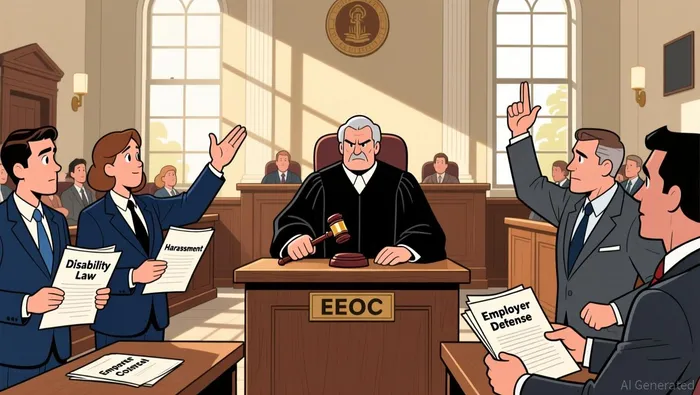
Implications for Employers and Workers
The EEOC's recent actions send a clear message to employers: discriminatory policies will be challenged. The methadone case, in particular, raises questions about how employers should balance health and safety concerns with anti-discrimination obligations. Companies may need to revise their hiring practices to ensure compliance with federal law, especially as addiction treatment becomes more common and socially accepted according to EEOC findings.
For workers, the EEOC's enforcement efforts provide a layer of protection in the face of potential discrimination. The $650,000 settlement with the restaurant chain illustrates how victims of harassment can seek redress through legal channels according to the settlement terms. However, some legal experts caution that the EEOC's success in these cases depends on the strength of evidence and the willingness of victims to come forward.
As the EEOC continues to shape its enforcement priorities under its new leadership, the agency's role in promoting workplace fairness will remain under scrutiny. Employers and employees alike are watching to see how these developments will influence the legal landscape in the years ahead.







Comentarios
Aún no hay comentarios