
Eagle Materials' Q4 Earnings Miss: A Buying Opportunity in a Strong Growth Story?
The recent Q4 earnings miss by Eagle Materials (NYSE: EXP) has sparked investor skepticism, with shares dipping slightly on the news. But beneath the temporary headwinds, a compelling narrative of long-term resilience and growth persists. With a five-year EPS growth rate of 78% annually, Eagle’s fundamentals suggest this dip could be a strategic entry point for investors willing to look past short-term noise. Let’s dissect whether the pessimism is overdone—and why now might be the time to buy.
The Miss: A Tempest in a Teapot?
Eagle’s Q4 2024 results fell short of expectations, with EPS of $2.24 versus the $2.72 estimate and revenue of $467.7 million versus $478.6 million. The primary culprits? Adverse weather in key markets (Austin, Kansas City) that slashed concrete sales by 19%, coupled with $7 million in elevated maintenance costs at cement facilities. Yet, the company’s full-year performance was record-breaking, with revenue hitting $2.3 billion (+5% year-over-year) and adjusted EPS rising 9% to $13.61.
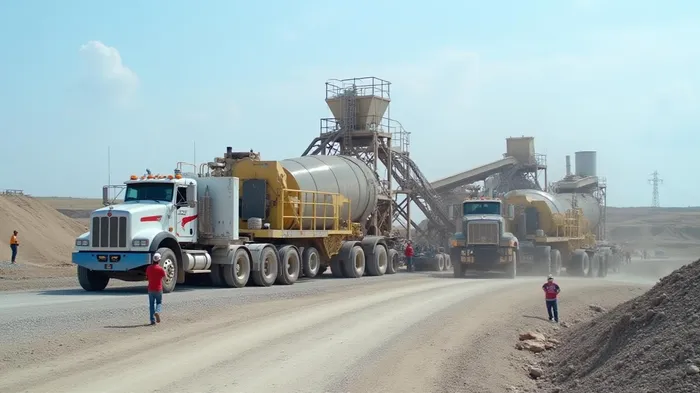
The quarterly stumble was largely external: winter storms disrupted logistics, and proactive maintenance (a sign of long-term planning) inflated costs. These factors are transitory, unlike the structural demand drivers underpinning Eagle’s business.
The Growth Story: Why the Long-Term Outlook Remains Bullish
1. Pricing Power in Construction Materials
Eagle’s cement division saw net sales prices rise 5% to $154.59 per ton, while paperboard prices increased 3% due to input-cost-linked contracts. Even in gypsum wallboard—a segment struggling with volume declines—the company retains pricing discipline. This mix of inflation-pass-through mechanisms and strategic investments (e.g., a $430M expansion of its Wyoming cement plant) positions Eagle to capitalize on rising infrastructure and housing demand.
2. Infrastructure and Housing Tailwinds
- Infrastructure Spending: Federal and state projects targeting roads, bridges, and energy grids are expected to boost cement demand. Eagle’s low-cost Mountain Cement facility—set to add 500,000 tons of capacity by 2026—will help meet this surge.
- Housing Market: Despite near-term softness, a national housing shortage (1.8M-unit deficit) and stabilizing mortgage rates will drive construction activity over the next decade.
3. Dividend Resilience and Share Buybacks
Eagle has maintained a dividend yield of ~1.8% while repurchasing $343 million of stock in 2024 alone. This signals financial health and confidence in cash flow—a stark contrast to peers facing liquidity strains.
Valuation: Is the Market Overreacting?
Despite the Q4 miss, Eagle’s valuation metrics still look compelling:
- P/E Ratio: At 17.7x (based on 2024 EPS of $13.61), it’s 20% below its five-year average of 22x.
- Price Target Gap: Analysts’ average 12-month price target of $289.78 implies 19% upside from current levels (~$242).
The Zacks Rank #4 (Sell) and negative EPS revisions reflect near-term caution, but these ignore two critical facts:
1. Eagle has consistently delivered on long-term growth (78% EPS CAGR), even during cyclical downturns.
2. The company’s $1.1B debt load is manageable, with a net leverage ratio of just 1.3x, leaving room for further expansion.
The Contrarian Play: Buying the Dip
The case for a tactical buy rests on three pillars:
1. Near-Term Catalysts: Spring/summer construction activity typically boosts concrete and aggregates sales—weather-related drag should fade.
2. Pricing Leverage: Input cost hikes (e.g., fuel, aggregates) are mitigated by Eagle’s ability to pass costs to customers.
3. Valuation Discount: At current levels, shares trade at a 20% discount to historical averages, offering a margin of safety.
Risks to Consider
- Prolonged Demand Softness: A deeper housing downturn or delayed infrastructure spending could delay recovery.
- Input Cost Volatility: Energy and freight expenses remain a wildcard.
Conclusion: A Strategic Entry Point
Eagle Materials’ Q4 miss was driven by temporary disruptions, not structural issues. With a 78% five-year EPS growth rate, a $289.78 price target, and a dividend-backed balance sheet, the stock looks undervalued. Investors who act now could capture a rebound as the company capitalizes on infrastructure spending and housing recovery. The market’s focus on short-term noise may present a rare opportunity to buy a growth leader at a discount.
Action Item: Consider a gradual entry into Eagle Materials (EXP) with a target price of $289.78, hedged against near-term volatility via stop-loss orders.
The author holds no positions in Eagle Materials at the time of writing.







Comentarios
Aún no hay comentarios