
DVLT's Meme Coin Distribution: A Tactical Catalyst or a Distraction?
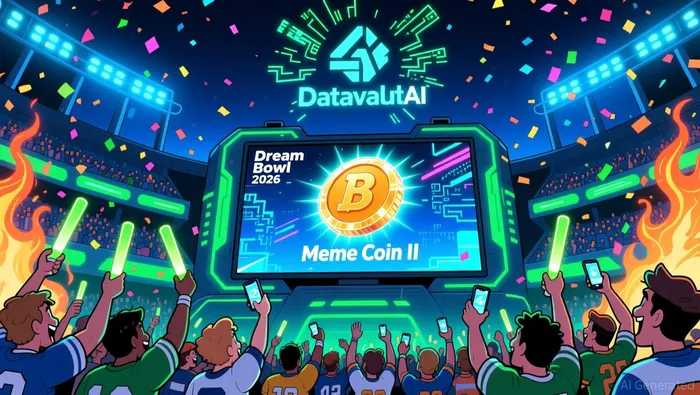
The event is now set. Datavault AIDVLT-- has formally announced the distribution of its Dream Bowl 2026 Meme Coin II tokens, with the record date of January 7, 2026 and the distribution date set for February 21, 2026. The mechanics are straightforward: eligible shareholders will receive one Dream Bowl MemeMEME-- Coin II for every sixty shares of common stock held. However, this is not a free lunch. Recipients must first open a Datavault AI digital wallet and execute an Opt-In Agreement to claim their tokens, which are explicitly described as digital collectibles for personal, non-commercial use with no equity, dividend, or monetary rights.
This announcement arrives against a backdrop of extreme volatility. The stock has been a wild ride, down 17.5% in the last day but having climbed 46.2% over the past five days. This choppiness sets the stage for a potential sentiment catalyst. The meme coin distribution is a classic low-cost, high-visibility marketing event. Crucially, it is a non-cash, non-financial event with no direct impact on the company's balance sheet or P&L. The company is not raising capital or spending cash; it is simply distributing a digital token to its shareholder base.
The tactical setup is clear. For event-driven traders, the February 21 date is the near-term focal point. The distribution itself may not move the needle on fundamentals, but it can inject fresh narrative energy and liquidity into a stock that has seen massive price swings. The key will be whether this creates a short-term mispricing around the distribution date, offering a window for opportunistic positioning before the event fades from the spotlight.
Strategic Rationale and Market Context
The distribution is part of a broader partnership designed for maximum visibility. The event ties directly to The Dream Bowl's national television broadcast, which aired on January 11, 2026. This isn't a standalone gimmick; it's a coordinated push to boost brand awareness and community engagement. By linking the token distribution to a major televised sports event, Datavault AI aims to inject its name into mainstream conversation and attract a wider audience beyond its core investor base. The flexible, ongoing claim window for the tokens further extends this engagement period, keeping the brand top-of-mind.
This marketing play exists against a backdrop of sharply divided analyst views. On one side, Maxim Group is clearly bullish, maintaining a Buy rating while raising its price target to $4.00. That's a 33% increase from its prior target, signaling strong confidence in the stock's near-term trajectory. On the other side, the broader market consensus tells a different story. The stock carries an average rating of "Hold" with a $4.00 consensus price target. This divergence highlights a key tension: while some see the Dream Bowl partnership and token distribution as a transformative catalyst, the wider analyst community remains skeptical, pricing in the event as a non-financial novelty.
The immediate market reaction will likely hinge on this narrative clash. For now, the event-driven setup is clear. The distribution date of February 21 is a concrete, near-term event that can act as a sentiment trigger. In a stock that has seen massive volatility, this kind of low-cost, high-visibility event can create a temporary mispricing. The tactical opportunity isn't in the token's intrinsic value-it has none-but in the potential for a short-term pop around the distribution date as the story regains traction. The real test will be whether the hype can sustain momentum beyond that date, or if the underlying fundamentals fail to support the elevated price.
Risk/Reward and What to Watch
The near-term setup is binary. The key catalyst is the actual distribution date of February 21, 2026. Any trading activity in the tokens around that date could drive short-term volatility, creating a potential mispricing window. The real test, however, is whether this event attracts meaningful engagement or is dismissed as a gimmick.
The primary risk is that the event fails to move the needle on the company's core financial weaknesses. The stock's massive volatility and negative fundamentals-like a net income of -$51.41 million last fiscal year-remain unchanged. If the meme coin distribution is seen as a distraction from these underlying issues, the hype could fade quickly, leaving the stock vulnerable to a reversion to its fundamental valuation.
A specific watch item is any official data on token claim rates post-distribution. The company has set up a flexible, ongoing claim window for the tokens, which means initial uptake will be a key gauge of initial market reception. Low claim rates would signal weak engagement, while strong participation could reinforce the narrative and support the stock's momentum around the February date.





Comentarios
Aún no hay comentarios