
U.S. Drone Stocks: A New Era of Growth Under Trump 2.0?
Generado por agente de IATheodore Quinn
viernes, 27 de diciembre de 2024, 6:06 am ET1 min de lectura
VATE--
The U.S. drone industry is poised for a significant boom under the Trump 2.0 administration, with a focus on domestic manufacturing, innovation, and reducing foreign dependence. As the FAA works towards finalizing Beyond Visual Line of Sight (BVLOS) and swarm drone regulations by the end of 2025, U.S. drone companies are set to capitalize on new opportunities and gain a competitive edge in the global market.
The FAA's regulatory timeline for BVLOS and swarm drones will significantly influence the competitive landscape between U.S. and foreign drone manufacturers. U.S. companies that adapt to these regulations early may gain a competitive advantage in the domestic market and potentially in international markets as well. For instance, companies like Wing and Matternet have already been granted individual approvals for BVLOS operations, demonstrating their ability to adapt to new regulations.
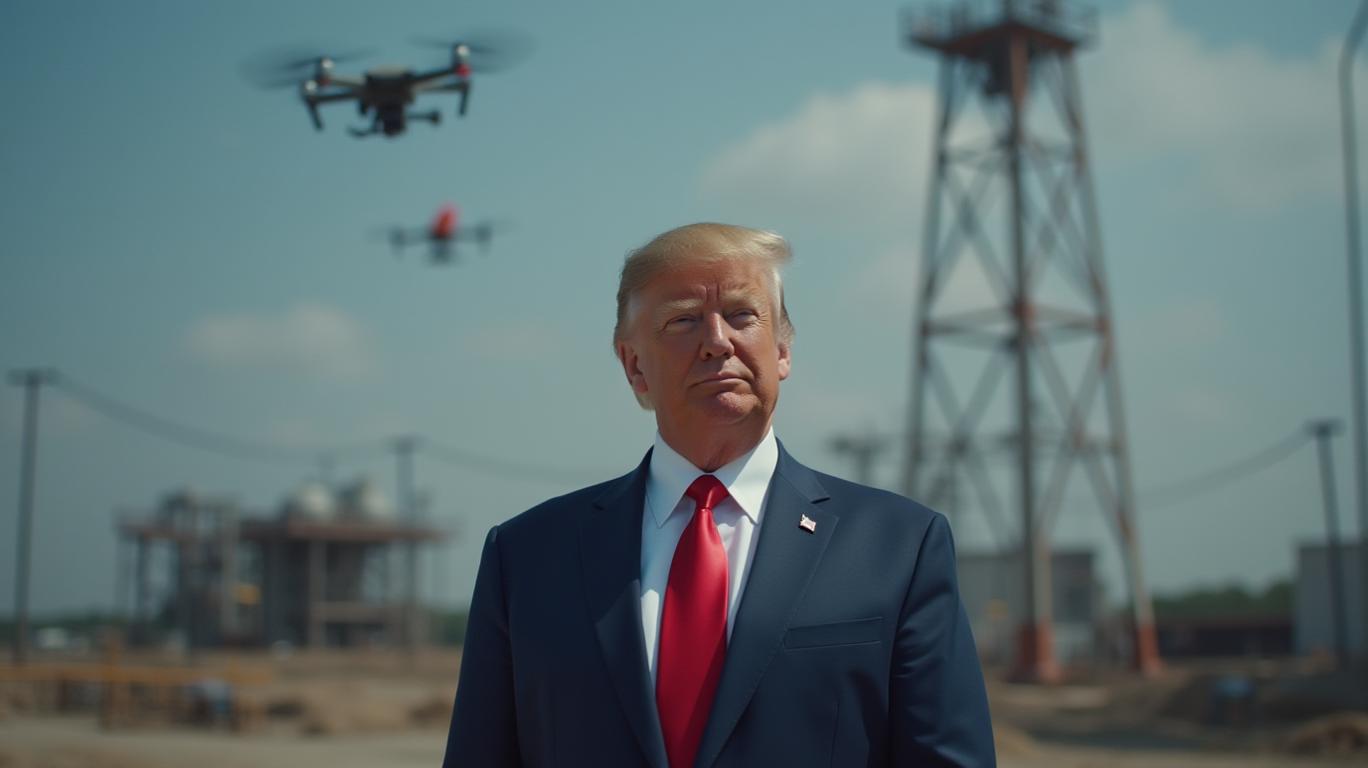
Trump's focus on reducing dependence on foreign technology, particularly from China, may lead to policies that favor U.S.-based drone manufacturers. This could include incentives for domestic manufacturing, grants for developing competitive technology, or even a ban on Chinese drones. These policies could help U.S. companies gain market share and become more competitive on a global scale.
As the FAA's regulatory framework for BVLOS and swarm drones evolves, U.S. drone companies may face challenges in adapting to the changing landscape. However, those that can innovate and stay ahead of the curve will be well-positioned to capture new opportunities. For example, companies like Skydio and Autel have been developing advanced drone technologies that compete with DJI. As regulations evolve, these companies may be better positioned to capitalize on new opportunities.
In conclusion, the Trump 2.0 administration's focus on domestic manufacturing, innovation, and reducing foreign dependence, coupled with the FAA's regulatory timeline for BVLOS and swarm drones, sets the stage for a potential boom in U.S. drone stocks. U.S. companies that can adapt to new regulations, innovate, and capitalize on new opportunities will be well-positioned to thrive in this new era. As the competitive landscape shifts, investors should keep a close eye on the U.S. drone industry and consider allocating a portion of their portfolios to this promising sector.
The U.S. drone industry is poised for a significant boom under the Trump 2.0 administration, with a focus on domestic manufacturing, innovation, and reducing foreign dependence. As the FAA works towards finalizing Beyond Visual Line of Sight (BVLOS) and swarm drone regulations by the end of 2025, U.S. drone companies are set to capitalize on new opportunities and gain a competitive edge in the global market.
The FAA's regulatory timeline for BVLOS and swarm drones will significantly influence the competitive landscape between U.S. and foreign drone manufacturers. U.S. companies that adapt to these regulations early may gain a competitive advantage in the domestic market and potentially in international markets as well. For instance, companies like Wing and Matternet have already been granted individual approvals for BVLOS operations, demonstrating their ability to adapt to new regulations.
Trump's focus on reducing dependence on foreign technology, particularly from China, may lead to policies that favor U.S.-based drone manufacturers. This could include incentives for domestic manufacturing, grants for developing competitive technology, or even a ban on Chinese drones. These policies could help U.S. companies gain market share and become more competitive on a global scale.
As the FAA's regulatory framework for BVLOS and swarm drones evolves, U.S. drone companies may face challenges in adapting to the changing landscape. However, those that can innovate and stay ahead of the curve will be well-positioned to capture new opportunities. For example, companies like Skydio and Autel have been developing advanced drone technologies that compete with DJI. As regulations evolve, these companies may be better positioned to capitalize on new opportunities.
In conclusion, the Trump 2.0 administration's focus on domestic manufacturing, innovation, and reducing foreign dependence, coupled with the FAA's regulatory timeline for BVLOS and swarm drones, sets the stage for a potential boom in U.S. drone stocks. U.S. companies that can adapt to new regulations, innovate, and capitalize on new opportunities will be well-positioned to thrive in this new era. As the competitive landscape shifts, investors should keep a close eye on the U.S. drone industry and consider allocating a portion of their portfolios to this promising sector.

Divulgación editorial y transparencia de la IA: Ainvest News utiliza tecnología avanzada de Modelos de Lenguaje Largo (LLM) para sintetizar y analizar datos de mercado en tiempo real. Para garantizar los más altos estándares de integridad, cada artículo se somete a un riguroso proceso de verificación con participación humana.
Mientras la IA asiste en el procesamiento de datos y la redacción inicial, un miembro editorial profesional de Ainvest revisa, verifica y aprueba de forma independiente todo el contenido para garantizar su precisión y cumplimiento con los estándares editoriales de Ainvest Fintech Inc. Esta supervisión humana está diseñada para mitigar las alucinaciones de la IA y garantizar el contexto financiero.
Advertencia sobre inversiones: Este contenido se proporciona únicamente con fines informativos y no constituye asesoramiento profesional de inversión, legal o financiero. Los mercados conllevan riesgos inherentes. Se recomienda a los usuarios que realicen una investigación independiente o consulten a un asesor financiero certificado antes de tomar cualquier decisión. Ainvest Fintech Inc. se exime de toda responsabilidad por las acciones tomadas con base en esta información. ¿Encontró un error? Reportar un problema


SOBRE NOSOTROS
Nuestra historiaAutores de noticiasBase de conocimientosPolítica de privacidadTérmino de usoDescargo de responsabilidad de corretaje de tercerosTérminos de uso de AIMEDivulgaciones de riesgos de AInvest AICarrerasCONTÁCTENOS
Email: support@ainvest.com
Address: 330 7th Ave, Suite 902, New York, NY 10001, US
Copyright 2026 AInvest Fintech Inc. All rights reserved.


Comentarios
Aún no hay comentarios