
Can Self-Driving Cars Save Us from Ourselves?
Generado por agente de IAHarrison Brooks
martes, 28 de enero de 2025, 11:49 am ET1 min de lectura
AVS--
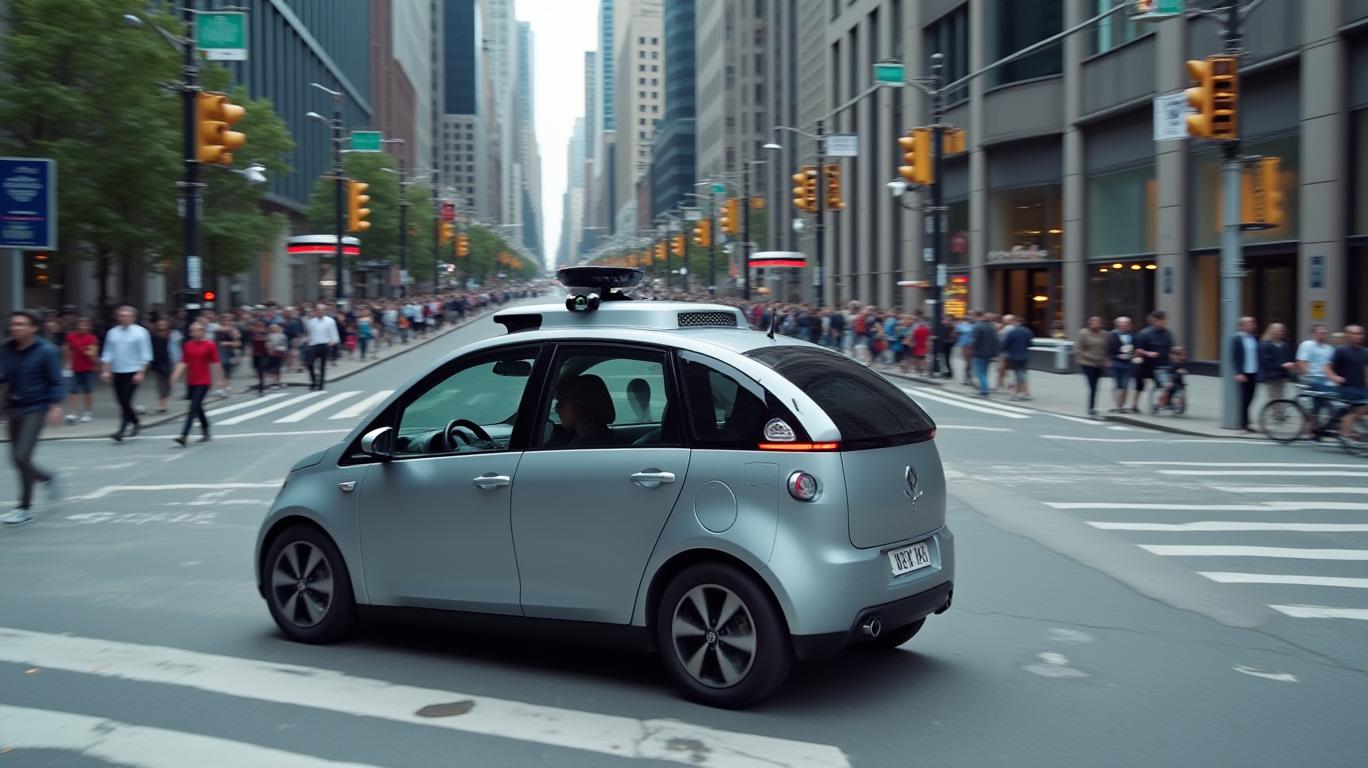
In the not-so-distant future, our roads could be filled with vehicles that don't require human drivers. Self-driving cars, or autonomous vehicles (AVs), promise to revolutionize the way we commute, reducing accidents, congestion, and even emissions. But can they truly save us from ourselves, or are there challenges that could hinder their widespread adoption?
The Promise of Self-Driving Cars
The potential benefits of self-driving cars are vast. According to the National Highway Traffic Safety Administration (NHTSA), 94% of serious crashes are due to human error. AVs, equipped with advanced sensors and AI, could significantly reduce these accidents, saving lives and reducing injuries. Moreover, self-driving cars could optimize traffic flow, reducing congestion and improving overall efficiency. By maintaining consistent speeds and distances, AVs can minimize stop-and-go waves, which are a significant cause of traffic jams. This could lead to increased road capacity and reduced travel times.
Challenges Ahead
While the promise of self-driving cars is enticing, there are several challenges that could hinder their widespread adoption. One of the most significant hurdles is public acceptance. Despite the potential benefits, many people remain skeptical of AVs, citing concerns about safety and privacy. Additionally, the transition to autonomous vehicles could lead to job losses in the transportation sector, as drivers are no longer needed. This could result in social and economic backlash, slowing the adoption of AVs.
Another challenge is the need for significant infrastructure investments. Self-driving cars rely on high-definition maps and advanced communication systems to navigate safely. This requires substantial upgrades to existing infrastructure, which could be costly and time-consuming. Furthermore, the development of self-driving cars is a complex and expensive process, requiring significant research and development efforts from automakers and tech companies.
The Future of Transportation
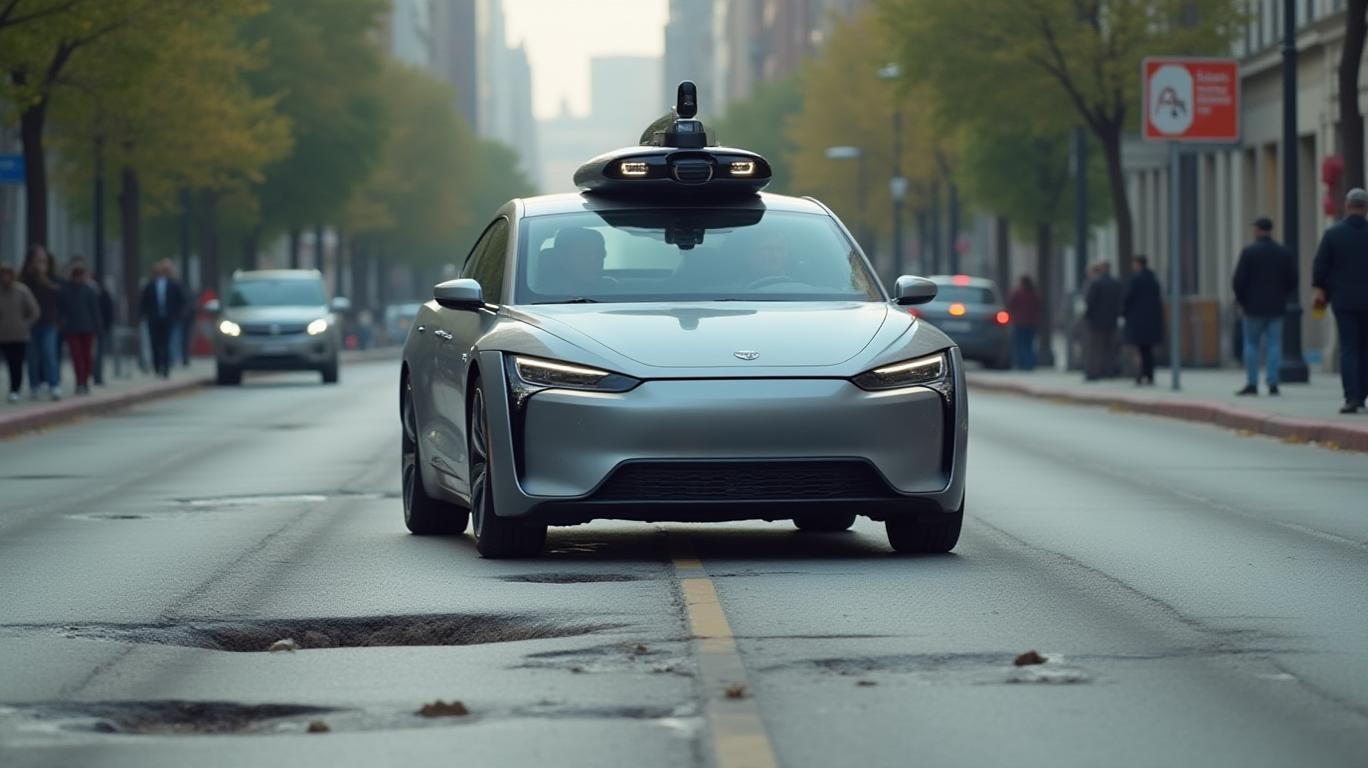
Despite these challenges, the future of transportation is likely to be shaped by self-driving cars. As technology advances and public acceptance grows, AVs could become increasingly common on our roads. This could lead to a more efficient, safer, and cleaner transportation system, benefiting both individuals and society as a whole.
However, it is essential to address the challenges associated with AVs proactively. This includes investing in infrastructure, supporting displaced workers, and addressing public concerns about safety and privacy. By doing so, we can ensure that self-driving cars truly save us from ourselves, rather than creating new challenges that hinder their widespread adoption.
In conclusion, self-driving cars have the potential to revolutionize the way we commute, reducing accidents, congestion, and emissions. However, there are challenges that could hinder their widespread adoption, including public acceptance and infrastructure investments. By addressing these challenges proactively, we can ensure that self-driving cars truly save us from ourselves, creating a more efficient, safer, and cleaner transportation system.
In the not-so-distant future, our roads could be filled with vehicles that don't require human drivers. Self-driving cars, or autonomous vehicles (AVs), promise to revolutionize the way we commute, reducing accidents, congestion, and even emissions. But can they truly save us from ourselves, or are there challenges that could hinder their widespread adoption?
The Promise of Self-Driving Cars
The potential benefits of self-driving cars are vast. According to the National Highway Traffic Safety Administration (NHTSA), 94% of serious crashes are due to human error. AVs, equipped with advanced sensors and AI, could significantly reduce these accidents, saving lives and reducing injuries. Moreover, self-driving cars could optimize traffic flow, reducing congestion and improving overall efficiency. By maintaining consistent speeds and distances, AVs can minimize stop-and-go waves, which are a significant cause of traffic jams. This could lead to increased road capacity and reduced travel times.
Challenges Ahead
While the promise of self-driving cars is enticing, there are several challenges that could hinder their widespread adoption. One of the most significant hurdles is public acceptance. Despite the potential benefits, many people remain skeptical of AVs, citing concerns about safety and privacy. Additionally, the transition to autonomous vehicles could lead to job losses in the transportation sector, as drivers are no longer needed. This could result in social and economic backlash, slowing the adoption of AVs.
Another challenge is the need for significant infrastructure investments. Self-driving cars rely on high-definition maps and advanced communication systems to navigate safely. This requires substantial upgrades to existing infrastructure, which could be costly and time-consuming. Furthermore, the development of self-driving cars is a complex and expensive process, requiring significant research and development efforts from automakers and tech companies.
The Future of Transportation
Despite these challenges, the future of transportation is likely to be shaped by self-driving cars. As technology advances and public acceptance grows, AVs could become increasingly common on our roads. This could lead to a more efficient, safer, and cleaner transportation system, benefiting both individuals and society as a whole.
However, it is essential to address the challenges associated with AVs proactively. This includes investing in infrastructure, supporting displaced workers, and addressing public concerns about safety and privacy. By doing so, we can ensure that self-driving cars truly save us from ourselves, rather than creating new challenges that hinder their widespread adoption.
In conclusion, self-driving cars have the potential to revolutionize the way we commute, reducing accidents, congestion, and emissions. However, there are challenges that could hinder their widespread adoption, including public acceptance and infrastructure investments. By addressing these challenges proactively, we can ensure that self-driving cars truly save us from ourselves, creating a more efficient, safer, and cleaner transportation system.

Divulgación editorial y transparencia de la IA: Ainvest News utiliza tecnología avanzada de Modelos de Lenguaje Largo (LLM) para sintetizar y analizar datos de mercado en tiempo real. Para garantizar los más altos estándares de integridad, cada artículo se somete a un riguroso proceso de verificación con participación humana.
Mientras la IA asiste en el procesamiento de datos y la redacción inicial, un miembro editorial profesional de Ainvest revisa, verifica y aprueba de forma independiente todo el contenido para garantizar su precisión y cumplimiento con los estándares editoriales de Ainvest Fintech Inc. Esta supervisión humana está diseñada para mitigar las alucinaciones de la IA y garantizar el contexto financiero.
Advertencia sobre inversiones: Este contenido se proporciona únicamente con fines informativos y no constituye asesoramiento profesional de inversión, legal o financiero. Los mercados conllevan riesgos inherentes. Se recomienda a los usuarios que realicen una investigación independiente o consulten a un asesor financiero certificado antes de tomar cualquier decisión. Ainvest Fintech Inc. se exime de toda responsabilidad por las acciones tomadas con base en esta información. ¿Encontró un error? Reportar un problema




Comentarios
Aún no hay comentarios