
U.S. Self-Driving Car Companies: A New Dawn Under Trump
Generado por agente de IAWesley Park
martes, 7 de enero de 2025, 6:19 am ET2 min de lectura
GOOGL--
As the Trump administration takes the reins, U.S. self-driving car companies are gearing up for a potential boost in the competitive landscape. With a proposed federal framework for autonomous vehicles on the horizon, companies like Tesla, Waymo, and Cruise are poised to benefit from a more favorable regulatory environment. But how will these changes impact the market dynamics and consumer adoption of autonomous vehicles? And what strategic moves could these companies make to strengthen their market position?
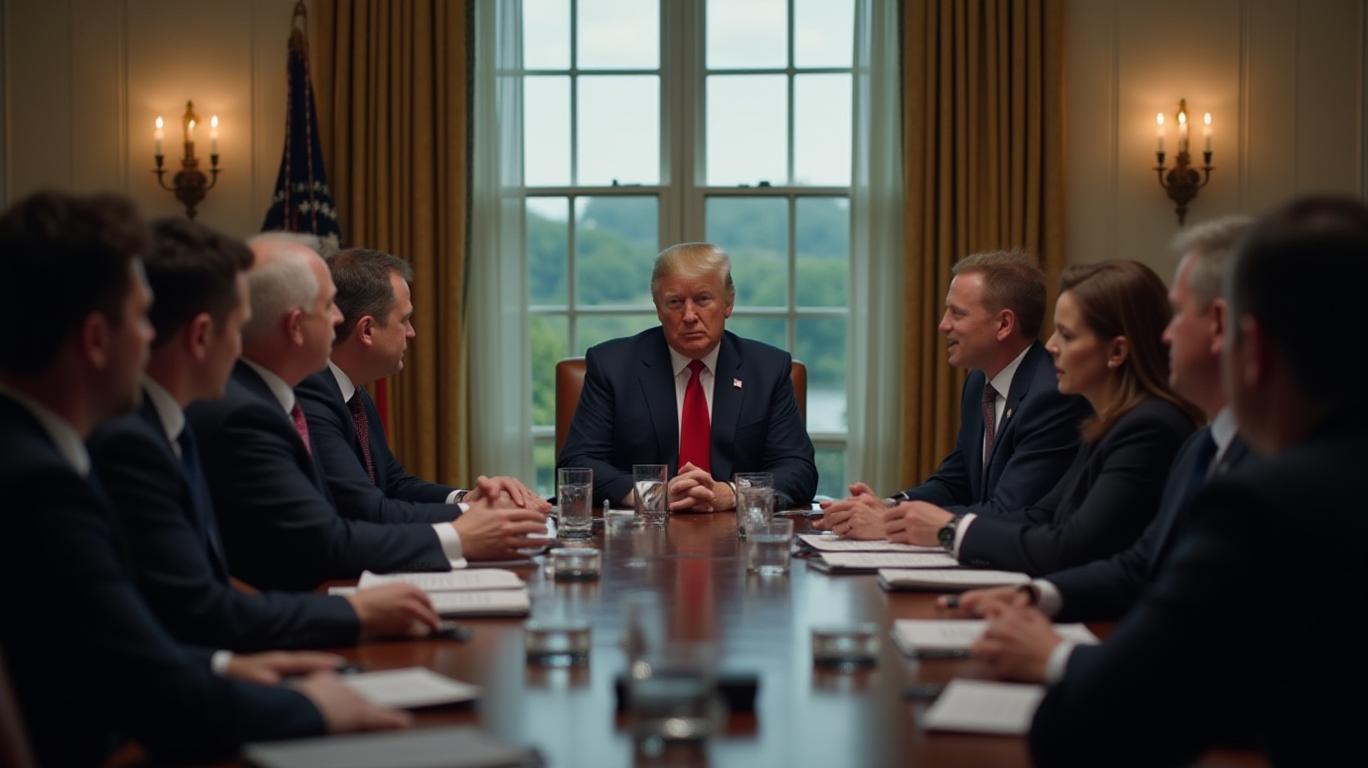
First, let's consider the regulatory changes expected to boost the deployment of self-driving cars. The Trump administration is looking to create a federal framework for fully self-driving vehicles, which would directly benefit companies like Tesla, aiming to deploy vehicles without human controls in large quantities. Additionally, the administration is looking to streamline reviews of petitions to deploy self-driving vehicles without human controls, such as steering wheels or brake pedals. This would allow companies to disable manual controls in self-driving vehicles, making them more accessible to consumers.
These regulatory changes could lead to increased competition in the U.S. and beyond, as more companies enter the self-driving car market. This increased competition could drive innovation and lower costs, making autonomous vehicles more affordable and accessible to consumers. However, the Trump administration's approach to emissions regulations and electric vehicle (EV) tax credits could impact the growth and competitiveness of U.S. self-driving car companies compared to international counterparts.
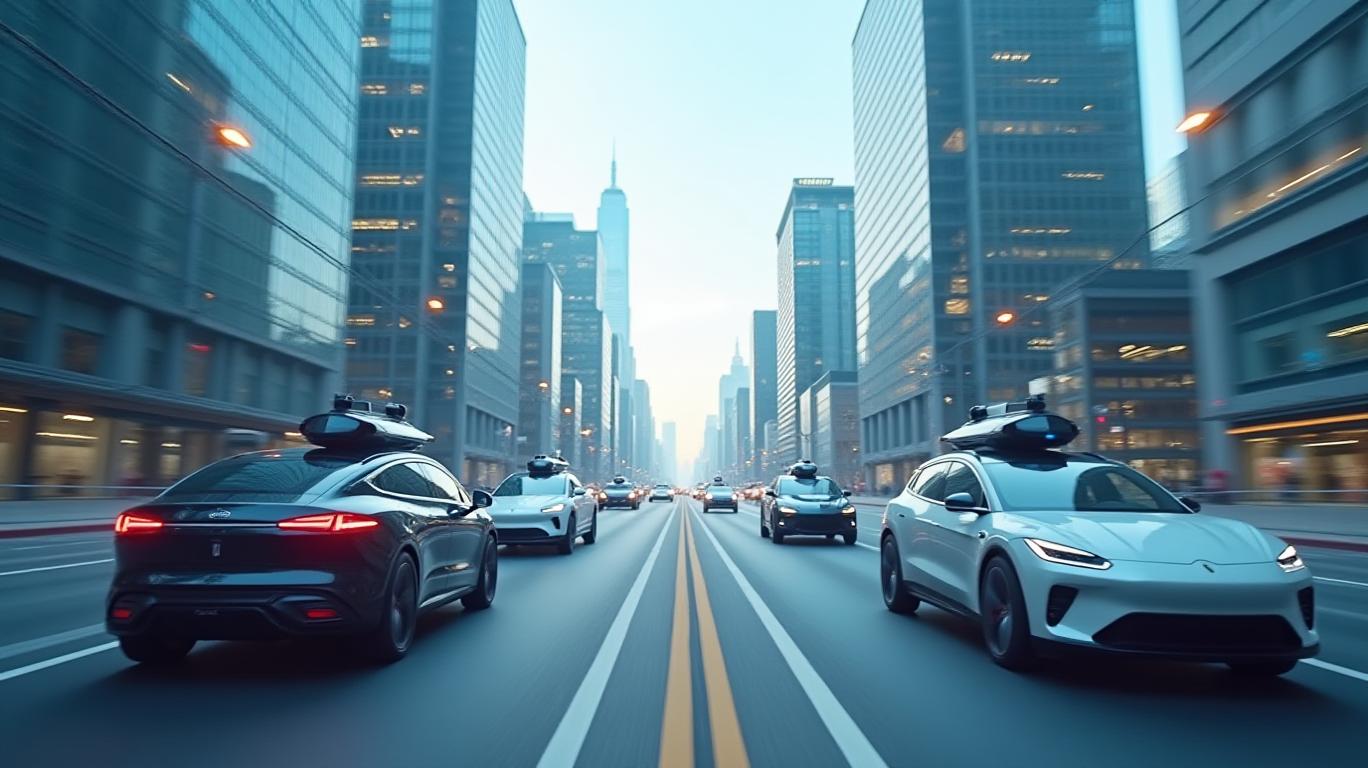
By rolling back Obama-era emissions regulations, the Trump administration may discourage investments in cleaner technologies, potentially hindering the growth of U.S. self-driving car companies that rely on these technologies. Additionally, the proposed elimination of the $7,500 consumer tax credit for electric-vehicle purchases could slow the U.S. EV transition, further impacting the competitiveness of U.S. self-driving car companies. In contrast, China is implementing a regulatory framework to support the deployment of self-driving vehicles and heavily subsidizing electric vehicles, giving international counterparts a competitive edge.
Under the new regulatory environment, U.S. self-driving car companies could pursue strategic partnerships or acquisitions to strengthen their market position and accelerate innovation. For instance, Waymo, a subsidiary of Alphabet Inc., could consider partnering with or acquiring companies like Tesla, which has made significant strides in autonomous vehicle technology. This would allow Waymo to leverage Tesla's expertise in battery technology and electric vehicle production, while Tesla could benefit from Waymo's advanced self-driving software and experience in operating driverless ride-hailing services. Additionally, companies like GM's Cruise could explore partnerships with tech giants like Apple, which has been rumored to be working on its own electric vehicle. This would enable Cruise to tap into Apple's vast resources and expertise in software development and consumer electronics.
In conclusion, the Trump administration's proposed federal framework for self-driving vehicles could significantly impact the competitive landscape for U.S. companies like Tesla, Waymo, and Cruise. While regulatory changes are expected to boost the deployment of self-driving cars, the Trump administration's approach to emissions regulations and EV tax credits could hinder the growth and competitiveness of U.S. self-driving car companies compared to international counterparts. To maintain a competitive edge, U.S. self-driving car companies should consider strategic partnerships or acquisitions to strengthen their market position and accelerate innovation under the new regulatory environment.
TSLA--
As the Trump administration takes the reins, U.S. self-driving car companies are gearing up for a potential boost in the competitive landscape. With a proposed federal framework for autonomous vehicles on the horizon, companies like Tesla, Waymo, and Cruise are poised to benefit from a more favorable regulatory environment. But how will these changes impact the market dynamics and consumer adoption of autonomous vehicles? And what strategic moves could these companies make to strengthen their market position?
First, let's consider the regulatory changes expected to boost the deployment of self-driving cars. The Trump administration is looking to create a federal framework for fully self-driving vehicles, which would directly benefit companies like Tesla, aiming to deploy vehicles without human controls in large quantities. Additionally, the administration is looking to streamline reviews of petitions to deploy self-driving vehicles without human controls, such as steering wheels or brake pedals. This would allow companies to disable manual controls in self-driving vehicles, making them more accessible to consumers.
These regulatory changes could lead to increased competition in the U.S. and beyond, as more companies enter the self-driving car market. This increased competition could drive innovation and lower costs, making autonomous vehicles more affordable and accessible to consumers. However, the Trump administration's approach to emissions regulations and electric vehicle (EV) tax credits could impact the growth and competitiveness of U.S. self-driving car companies compared to international counterparts.
By rolling back Obama-era emissions regulations, the Trump administration may discourage investments in cleaner technologies, potentially hindering the growth of U.S. self-driving car companies that rely on these technologies. Additionally, the proposed elimination of the $7,500 consumer tax credit for electric-vehicle purchases could slow the U.S. EV transition, further impacting the competitiveness of U.S. self-driving car companies. In contrast, China is implementing a regulatory framework to support the deployment of self-driving vehicles and heavily subsidizing electric vehicles, giving international counterparts a competitive edge.
Under the new regulatory environment, U.S. self-driving car companies could pursue strategic partnerships or acquisitions to strengthen their market position and accelerate innovation. For instance, Waymo, a subsidiary of Alphabet Inc., could consider partnering with or acquiring companies like Tesla, which has made significant strides in autonomous vehicle technology. This would allow Waymo to leverage Tesla's expertise in battery technology and electric vehicle production, while Tesla could benefit from Waymo's advanced self-driving software and experience in operating driverless ride-hailing services. Additionally, companies like GM's Cruise could explore partnerships with tech giants like Apple, which has been rumored to be working on its own electric vehicle. This would enable Cruise to tap into Apple's vast resources and expertise in software development and consumer electronics.
In conclusion, the Trump administration's proposed federal framework for self-driving vehicles could significantly impact the competitive landscape for U.S. companies like Tesla, Waymo, and Cruise. While regulatory changes are expected to boost the deployment of self-driving cars, the Trump administration's approach to emissions regulations and EV tax credits could hinder the growth and competitiveness of U.S. self-driving car companies compared to international counterparts. To maintain a competitive edge, U.S. self-driving car companies should consider strategic partnerships or acquisitions to strengthen their market position and accelerate innovation under the new regulatory environment.

Divulgación editorial y transparencia de la IA: Ainvest News utiliza tecnología avanzada de Modelos de Lenguaje Largo (LLM) para sintetizar y analizar datos de mercado en tiempo real. Para garantizar los más altos estándares de integridad, cada artículo se somete a un riguroso proceso de verificación con participación humana.
Mientras la IA asiste en el procesamiento de datos y la redacción inicial, un miembro editorial profesional de Ainvest revisa, verifica y aprueba de forma independiente todo el contenido para garantizar su precisión y cumplimiento con los estándares editoriales de Ainvest Fintech Inc. Esta supervisión humana está diseñada para mitigar las alucinaciones de la IA y garantizar el contexto financiero.
Advertencia sobre inversiones: Este contenido se proporciona únicamente con fines informativos y no constituye asesoramiento profesional de inversión, legal o financiero. Los mercados conllevan riesgos inherentes. Se recomienda a los usuarios que realicen una investigación independiente o consulten a un asesor financiero certificado antes de tomar cualquier decisión. Ainvest Fintech Inc. se exime de toda responsabilidad por las acciones tomadas con base en esta información. ¿Encontró un error? Reportar un problema


SOBRE NOSOTROS
Nuestra historiaAutores de noticiasBase de conocimientosPolítica de privacidadTérmino de usoDescargo de responsabilidad de corretaje de tercerosTérminos de uso de AIMEDivulgaciones de riesgos de AInvest AICarrerasCONTÁCTENOS
Email: support@ainvest.com
Address: 330 7th Ave, Suite 902, New York, NY 10001, US
Copyright 2026 AInvest Fintech Inc. All rights reserved.


Comentarios
Aún no hay comentarios