
U.S. Drillers Boost Rig Count for Fifth Consecutive Week: Baker Hughes
Generado por agente de IACyrus Cole
viernes, 28 de febrero de 2025, 1:26 pm ET2 min de lectura
BKR--
The U.S. oil and gas industry has seen a consecutive increase in drilling activity, with the total rig count rising for the fifth week in a row, according to Baker HughesBKR--. This trend is driven by a combination of factors, including increased oil prices, Permian Basin growth, easing drilling restrictions, and LNG demand. However, the sustainability of this trend depends on commodity price stability, industry consolidation, and technological advancements.
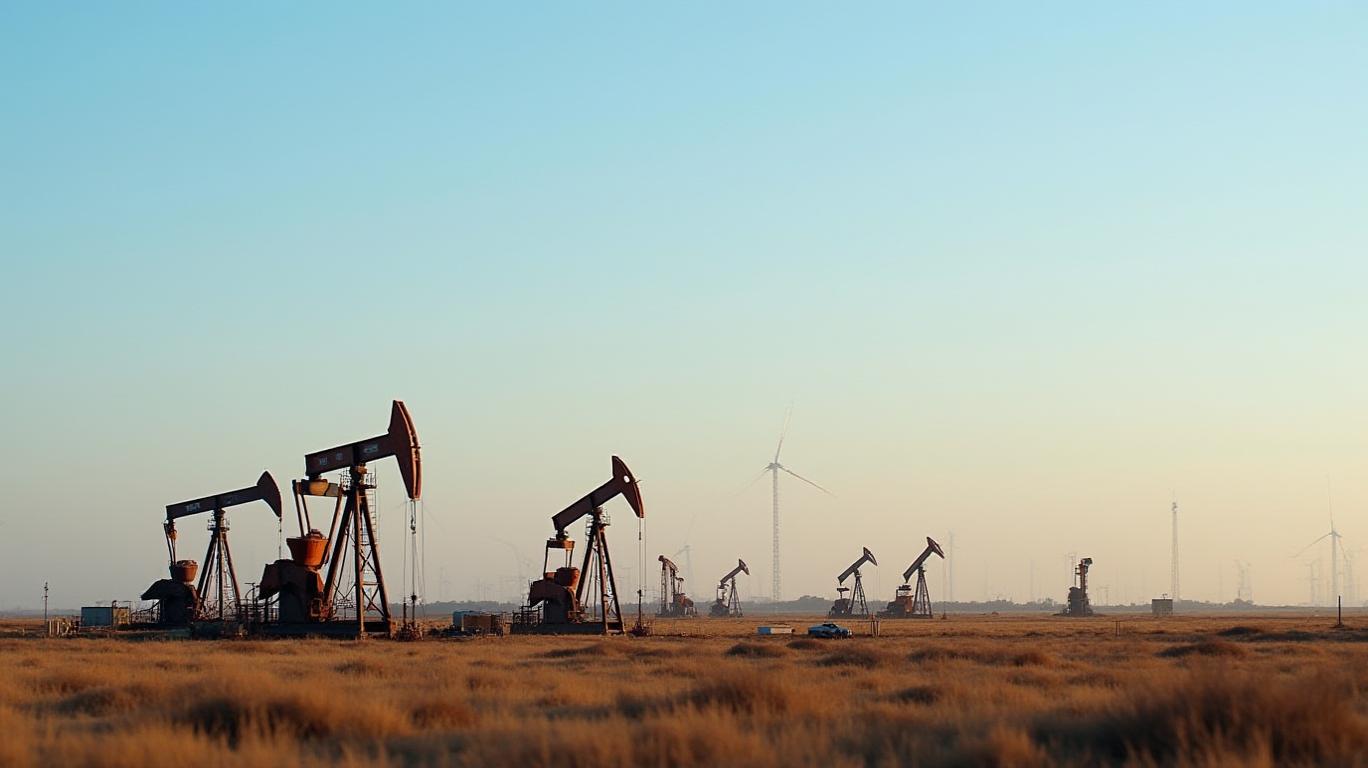
The U.S. oil and gas industry has witnessed a significant boost in drilling activity, with the total rig count rising for the fifth consecutive week, according to Baker Hughes. This trend is driven by a combination of factors, including increased oil prices, Permian Basin growth, easing drilling restrictions, and LNG demand. However, the sustainability of this trend depends on commodity price stability, industry consolidation, and technological advancements.
The U.S. oil and gas industry has witnessed a significant boost in drilling activity, with the total rig count rising for the fifth consecutive week, according to Baker Hughes. This trend is driven by a combination of factors, including increased oil prices, Permian Basin growth, easing drilling restrictions, and LNG demand. However, the sustainability of this trend depends on commodity price stability, industry consolidation, and technological advancements.
Regional shifts in drilling activity, such as the relocation of rigs from gas-focused basins to oil-rich regions, have a significant impact on overall market dynamics and day rates. In 2024, we observed a trend where rigs moved from gas-focused basins like Haynesville to oil-rich regions such as the Permian. This rebalancing created further pressure on Permian day rates, as the oversupply of rigs in the region drove down prices. The Permian Basin experienced the largest decline in day rates at 9.35% in 2024, highlighting the impact of regional shifts on market dynamics and day rates.

The U.S. oil and gas industry has witnessed a significant boost in drilling activity, with the total rig count rising for the fifth consecutive week, according to Baker Hughes. This trend is driven by a combination of factors, including increased oil prices, Permian Basin growth, easing drilling restrictions, and LNG demand. However, the sustainability of this trend depends on commodity price stability, industry consolidation, and technological advancements.
The new federal administration is expected to ease drilling restrictions and potentially boost drilling activity in the U.S. oil and gas sector. This is based on the following points from the provided materials:
1. "A new federal administration is expected to ease drilling restrictions, potentially boosting activity." (Source: "Outlook for 2025" section)
2. "With a new federal administration expected to ease drilling restrictions, the industry could see an uptick in permitting and land access opportunities." (Source: "Analysis and Implications" section)
These expectations suggest that the new administration's policies could have a positive impact on the U.S. oil and gas sector by:
* Increasing drilling activity, as eased restrictions may encourage more exploration and development.
* Facilitating permitting and land access, which could lead to faster project approvals and increased investment in the sector.
However, the actual impact will depend on the specific policies implemented by the new administration and how they are received by the industry. It is essential to monitor regulatory changes and position oneself to capitalize on favorable policies.
The U.S. oil and gas industry has witnessed a significant boost in drilling activity, with the total rig count rising for the fifth consecutive week, according to Baker Hughes. This trend is driven by a combination of factors, including increased oil prices, Permian Basin growth, easing drilling restrictions, and LNG demand. However, the sustainability of this trend depends on commodity price stability, industry consolidation, and technological advancements. The new federal administration is expected to ease drilling restrictions and potentially boost drilling activity in the U.S. oil and gas sector, with a positive impact on the industry's growth and investment opportunities.
The U.S. oil and gas industry has seen a consecutive increase in drilling activity, with the total rig count rising for the fifth week in a row, according to Baker HughesBKR--. This trend is driven by a combination of factors, including increased oil prices, Permian Basin growth, easing drilling restrictions, and LNG demand. However, the sustainability of this trend depends on commodity price stability, industry consolidation, and technological advancements.
The U.S. oil and gas industry has witnessed a significant boost in drilling activity, with the total rig count rising for the fifth consecutive week, according to Baker Hughes. This trend is driven by a combination of factors, including increased oil prices, Permian Basin growth, easing drilling restrictions, and LNG demand. However, the sustainability of this trend depends on commodity price stability, industry consolidation, and technological advancements.
The U.S. oil and gas industry has witnessed a significant boost in drilling activity, with the total rig count rising for the fifth consecutive week, according to Baker Hughes. This trend is driven by a combination of factors, including increased oil prices, Permian Basin growth, easing drilling restrictions, and LNG demand. However, the sustainability of this trend depends on commodity price stability, industry consolidation, and technological advancements.
Regional shifts in drilling activity, such as the relocation of rigs from gas-focused basins to oil-rich regions, have a significant impact on overall market dynamics and day rates. In 2024, we observed a trend where rigs moved from gas-focused basins like Haynesville to oil-rich regions such as the Permian. This rebalancing created further pressure on Permian day rates, as the oversupply of rigs in the region drove down prices. The Permian Basin experienced the largest decline in day rates at 9.35% in 2024, highlighting the impact of regional shifts on market dynamics and day rates.
The U.S. oil and gas industry has witnessed a significant boost in drilling activity, with the total rig count rising for the fifth consecutive week, according to Baker Hughes. This trend is driven by a combination of factors, including increased oil prices, Permian Basin growth, easing drilling restrictions, and LNG demand. However, the sustainability of this trend depends on commodity price stability, industry consolidation, and technological advancements.
The new federal administration is expected to ease drilling restrictions and potentially boost drilling activity in the U.S. oil and gas sector. This is based on the following points from the provided materials:
1. "A new federal administration is expected to ease drilling restrictions, potentially boosting activity." (Source: "Outlook for 2025" section)
2. "With a new federal administration expected to ease drilling restrictions, the industry could see an uptick in permitting and land access opportunities." (Source: "Analysis and Implications" section)
These expectations suggest that the new administration's policies could have a positive impact on the U.S. oil and gas sector by:
* Increasing drilling activity, as eased restrictions may encourage more exploration and development.
* Facilitating permitting and land access, which could lead to faster project approvals and increased investment in the sector.
However, the actual impact will depend on the specific policies implemented by the new administration and how they are received by the industry. It is essential to monitor regulatory changes and position oneself to capitalize on favorable policies.
The U.S. oil and gas industry has witnessed a significant boost in drilling activity, with the total rig count rising for the fifth consecutive week, according to Baker Hughes. This trend is driven by a combination of factors, including increased oil prices, Permian Basin growth, easing drilling restrictions, and LNG demand. However, the sustainability of this trend depends on commodity price stability, industry consolidation, and technological advancements. The new federal administration is expected to ease drilling restrictions and potentially boost drilling activity in the U.S. oil and gas sector, with a positive impact on the industry's growth and investment opportunities.

Divulgación editorial y transparencia de la IA: Ainvest News utiliza tecnología avanzada de Modelos de Lenguaje Largo (LLM) para sintetizar y analizar datos de mercado en tiempo real. Para garantizar los más altos estándares de integridad, cada artículo se somete a un riguroso proceso de verificación con participación humana.
Mientras la IA asiste en el procesamiento de datos y la redacción inicial, un miembro editorial profesional de Ainvest revisa, verifica y aprueba de forma independiente todo el contenido para garantizar su precisión y cumplimiento con los estándares editoriales de Ainvest Fintech Inc. Esta supervisión humana está diseñada para mitigar las alucinaciones de la IA y garantizar el contexto financiero.
Advertencia sobre inversiones: Este contenido se proporciona únicamente con fines informativos y no constituye asesoramiento profesional de inversión, legal o financiero. Los mercados conllevan riesgos inherentes. Se recomienda a los usuarios que realicen una investigación independiente o consulten a un asesor financiero certificado antes de tomar cualquier decisión. Ainvest Fintech Inc. se exime de toda responsabilidad por las acciones tomadas con base en esta información. ¿Encontró un error? Reportar un problema




Comentarios
Aún no hay comentarios