
Dow Plunges 1,000 Points: Nvidia, Apple, Tesla in Freefall as Fear Grips Markets
Generado por agente de IAWesley Park
viernes, 11 de abril de 2025, 3:35 am ET2 min de lectura
AAPL--
Ladies and Gentlemen, buckleBKE-- up! The Dow Jones Industrial Average just took a nosedive, plummeting over 1,000 points in a single day. The market is in a state of panic, and the Fear & Greed Index is firmly planted in the "Extreme Fear" zone. This is not the time to be a bystander; you need to act now!
The tech giants—Nvidia, AppleAAPL--, and Tesla—are leading the charge downward. These stocks, once the darlings of the market, are now the poster children for investor anxiety. But why the sudden collapse? Let's break it down!
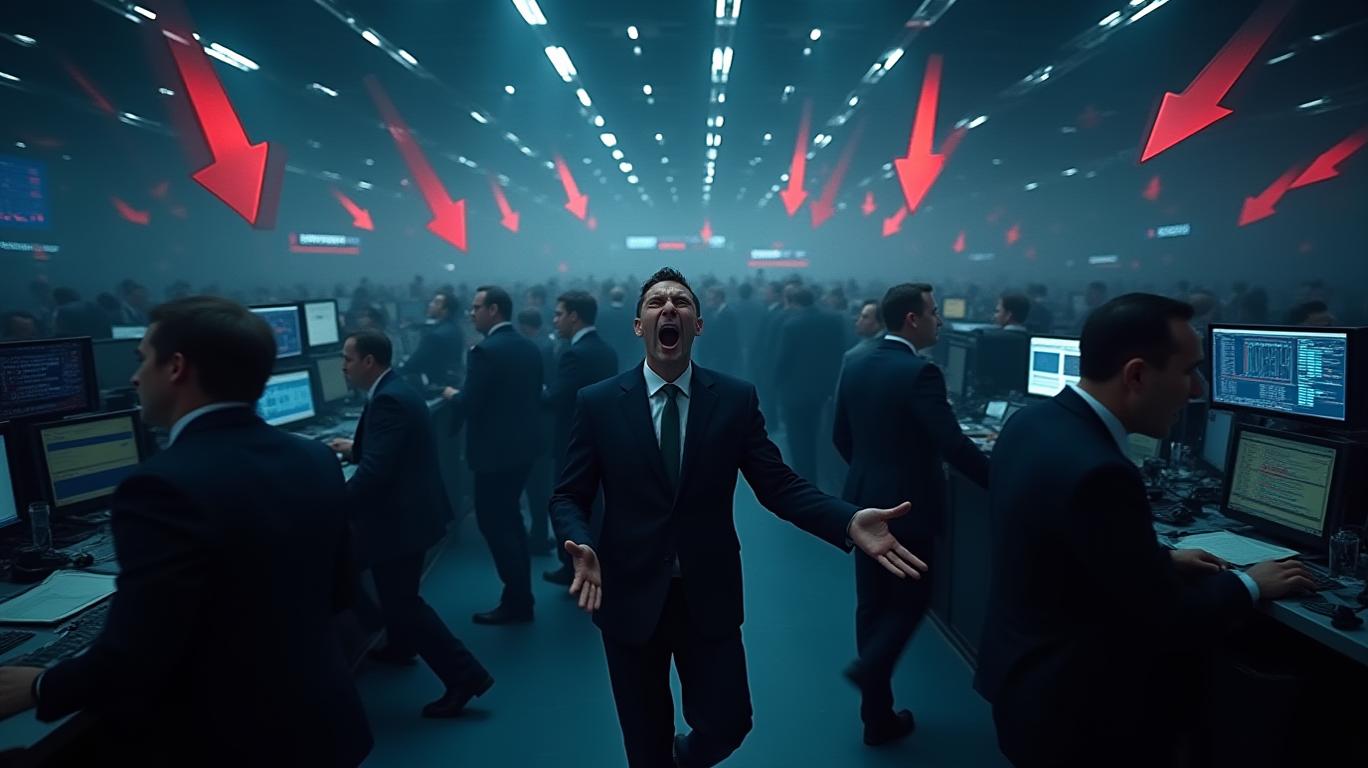
1. Market Momentum: The S&P 500 is below its 125-day moving average, signaling slowing momentum. This is a classic sign of Fear, and it's driving the market into a tailspin. When the market momentum is down, it's like a domino effect—one stock falls, and the rest follow suit.
2. Stock Price Strength: The number of stocks on the NYSE at 52-week lows is skyrocketing. This is a bearish sign, and it's causing investors to sell off their holdings in tech stocks. When the market is weak, it's like a game of musical chairs—nobody wants to be the last one standing.
3. Market Volatility: The VIX is soaring, indicating increasing market volatility. This is a clear signal of Fear, and it's causing investors to sell off riskier assets, including tech stocks. When the market is volatile, it's like riding a roller coaster—you never know when the next drop is coming.
4. Put and Call Options: The 5-day average put/call ratio is rising, suggesting that investors are growing more nervous. A ratio above 1 is considered bearish, and it's driving down the prices of tech stocks. When the put/call ratio is high, it's like a red flag waving in the wind—it's a warning sign that the market is in trouble.
But here's the thing: "Extreme Fear" zones often present buying opportunities. Historically, when the market is in a state of panic, it's a great time to buy. Think of it like a fire sale—everything is on discount, and you can pick up some great deals.
So, what should you do? First, stay calm. Panic is the enemy of good investing. Second, look for opportunities. When the market is in a state of Fear, it's a great time to buy undervalued stocks. Third, diversify your portfolio. Don't put all your eggs in one basket—spread your investments across different sectors and asset classes.
Remember, the market is a fickle beast. It can go from Fear to Greed in the blink of an eye. So, stay vigilant, stay informed, and stay ahead of the curve. This is not the time to be a bystander—this is the time to act!
BOO-YAH! The market may be in a state of panic, but you can turn this crisis into an opportunity. So, buckle up, stay focused, and get ready to ride the wave. The market may be in a state of Fear, but you can turn this into a state of Greed.
NVDA--
TSLA--
Ladies and Gentlemen, buckleBKE-- up! The Dow Jones Industrial Average just took a nosedive, plummeting over 1,000 points in a single day. The market is in a state of panic, and the Fear & Greed Index is firmly planted in the "Extreme Fear" zone. This is not the time to be a bystander; you need to act now!
The tech giants—Nvidia, AppleAAPL--, and Tesla—are leading the charge downward. These stocks, once the darlings of the market, are now the poster children for investor anxiety. But why the sudden collapse? Let's break it down!
1. Market Momentum: The S&P 500 is below its 125-day moving average, signaling slowing momentum. This is a classic sign of Fear, and it's driving the market into a tailspin. When the market momentum is down, it's like a domino effect—one stock falls, and the rest follow suit.
2. Stock Price Strength: The number of stocks on the NYSE at 52-week lows is skyrocketing. This is a bearish sign, and it's causing investors to sell off their holdings in tech stocks. When the market is weak, it's like a game of musical chairs—nobody wants to be the last one standing.
3. Market Volatility: The VIX is soaring, indicating increasing market volatility. This is a clear signal of Fear, and it's causing investors to sell off riskier assets, including tech stocks. When the market is volatile, it's like riding a roller coaster—you never know when the next drop is coming.
4. Put and Call Options: The 5-day average put/call ratio is rising, suggesting that investors are growing more nervous. A ratio above 1 is considered bearish, and it's driving down the prices of tech stocks. When the put/call ratio is high, it's like a red flag waving in the wind—it's a warning sign that the market is in trouble.
But here's the thing: "Extreme Fear" zones often present buying opportunities. Historically, when the market is in a state of panic, it's a great time to buy. Think of it like a fire sale—everything is on discount, and you can pick up some great deals.
So, what should you do? First, stay calm. Panic is the enemy of good investing. Second, look for opportunities. When the market is in a state of Fear, it's a great time to buy undervalued stocks. Third, diversify your portfolio. Don't put all your eggs in one basket—spread your investments across different sectors and asset classes.
Remember, the market is a fickle beast. It can go from Fear to Greed in the blink of an eye. So, stay vigilant, stay informed, and stay ahead of the curve. This is not the time to be a bystander—this is the time to act!
BOO-YAH! The market may be in a state of panic, but you can turn this crisis into an opportunity. So, buckle up, stay focused, and get ready to ride the wave. The market may be in a state of Fear, but you can turn this into a state of Greed.

Divulgación editorial y transparencia de la IA: Ainvest News utiliza tecnología avanzada de Modelos de Lenguaje Largo (LLM) para sintetizar y analizar datos de mercado en tiempo real. Para garantizar los más altos estándares de integridad, cada artículo se somete a un riguroso proceso de verificación con participación humana.
Mientras la IA asiste en el procesamiento de datos y la redacción inicial, un miembro editorial profesional de Ainvest revisa, verifica y aprueba de forma independiente todo el contenido para garantizar su precisión y cumplimiento con los estándares editoriales de Ainvest Fintech Inc. Esta supervisión humana está diseñada para mitigar las alucinaciones de la IA y garantizar el contexto financiero.
Advertencia sobre inversiones: Este contenido se proporciona únicamente con fines informativos y no constituye asesoramiento profesional de inversión, legal o financiero. Los mercados conllevan riesgos inherentes. Se recomienda a los usuarios que realicen una investigación independiente o consulten a un asesor financiero certificado antes de tomar cualquier decisión. Ainvest Fintech Inc. se exime de toda responsabilidad por las acciones tomadas con base en esta información. ¿Encontró un error? Reportar un problema


SOBRE NOSOTROS
Nuestra historiaAutores de noticiasBase de conocimientosPolítica de privacidadTérmino de usoDescargo de responsabilidad de corretaje de tercerosTérminos de uso de AIMEDivulgaciones de riesgos de AInvest AICarrerasCONTÁCTENOS
Email: support@ainvest.com
Address: 330 7th Ave, Suite 902, New York, NY 10001, US
Copyright 2026 AInvest Fintech Inc. All rights reserved.


Comentarios
Aún no hay comentarios